প্রকাশের তারিখ : ২২ জুলাই ২০২৬
Indian Muslims go to court to save 150-year-old mosque
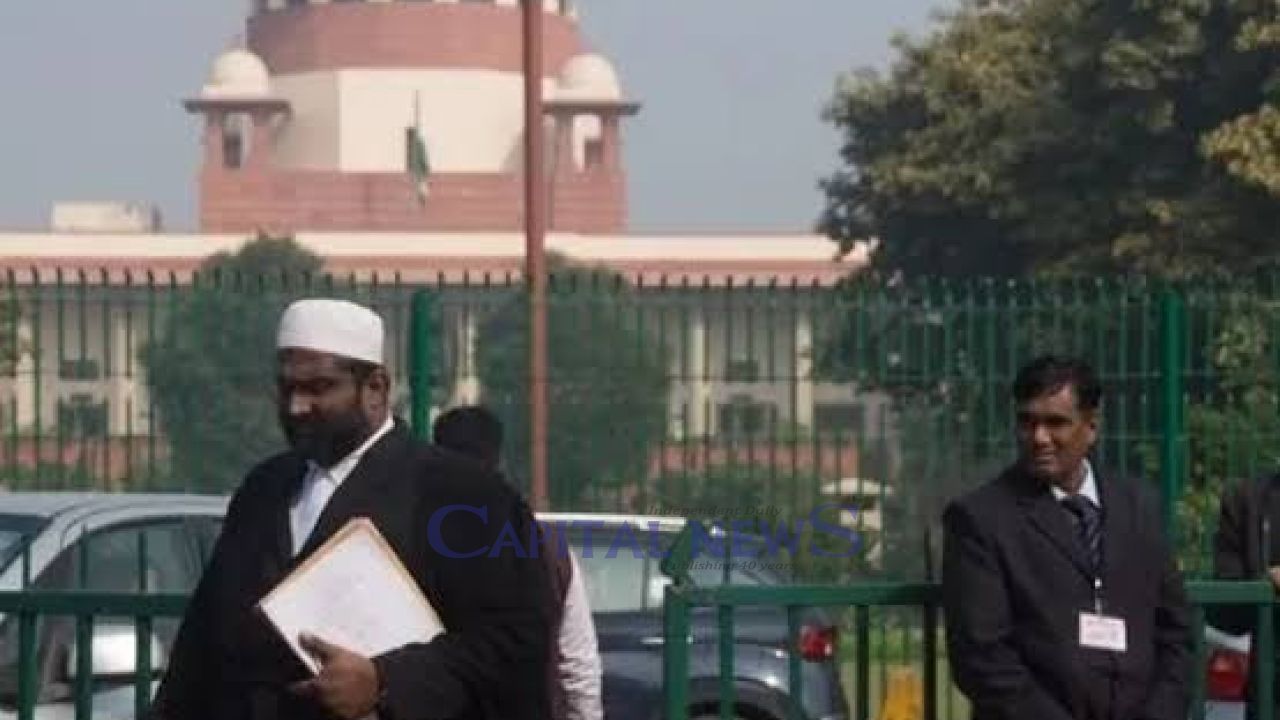
||
Online Desk: The
committee of a 150-year-old mosque in northern India has appealed a court order
directing its demolition within a month, seeking an immediate stay on the
ruling as it fights to preserve one of the city’s historic Islamic landmarks.The
appeal, filed before a district court in Uttar Pradesh’s Saharanpur district,
challenges a city magistrate’s order requiring the demolition of the historic
Collectorate Mosque and imposing a fine of more than 60 million Indian rupees
($623,000).During
the initial hearing, the district court accepted the appeal, called for the
original case records from the lower court and scheduled the next hearing for
July 23.The
mosque committee argues that the demolition order ignores extensive historical
and legal evidence establishing the mosque’s existence for well over a century.
Lawyers representing the mosque said they would pursue the case through the
state high court and India’s Supreme Court if necessary.According
to lawyers for the mosque committee, historical documents include rental
records dating back to April 1960, municipal records listing the mosque
separately from nearby government buildings, and electricity records showing
the mosque obtained a power connection in 1911, only a few years after
electricity was introduced to the city.The
committee is also coordinating with the Uttar Pradesh Waqf Board to compile
historical deeds and other archival documents that could be presented as
evidence during the legal proceedings.Lawyers
asked the court to prevent any construction or administrative action that could
interfere with prayers at the mosque while the case remains under judicial
consideration, arguing that authorities should not take irreversible action
before the courts reach a final decision.
The
dispute comes amid a growing number of legal battles involving historic mosques
across India. In recent years, Muslim organizations have increasingly turned to
the courts to challenge demolition orders, land disputes and claims over
centuries-old mosques, arguing that a combination of administrative actions and
campaigns by Hindu nationalist groups is placing the country’s Islamic
religious and architectural heritage under growing pressure.
© 2025 The Daily Capital News