প্রকাশের তারিখ : ০২ আগস্ট ২০২৬
Job insecurity, unpaid wages and mounting debt: death of outsourced worker sparks appeal from 281 families
||
Special Correspondent: The death of an outsourced employee of the Department of Agricultural
Extension (DAE) has brought renewed attention to the plight of hundreds of
workers who say they have been living without salaries, job security and
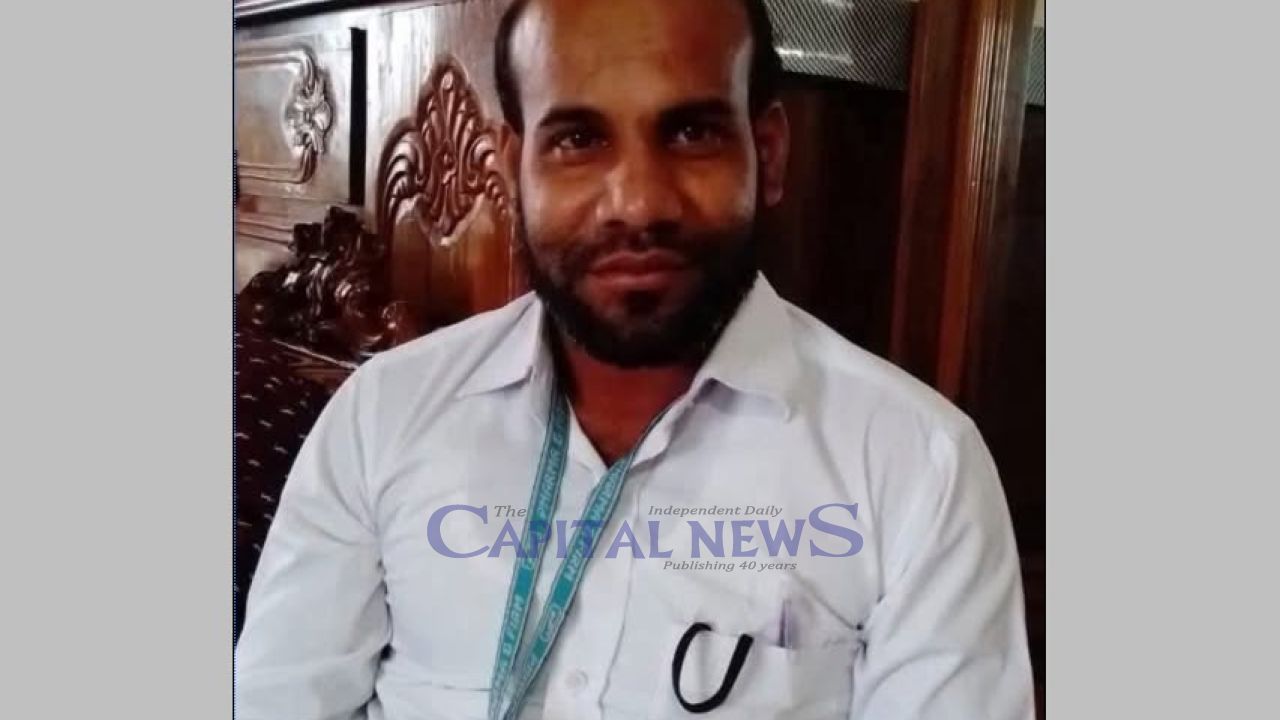
financial stability for nearly a year. According to family members and fellow employees, Md. Majnur Rahman, an
outsourced worker assigned to a Horticulture Centre under the DAE, had been
struggling with prolonged job uncertainty, unpaid wages and growing debt. They
claim that the continuous financial and psychological pressure severely
affected his health. He later suffered a heart attack and died, leaving behind
his wife and a seven-year-old child.His death has become a symbol of the hardship faced by 281 outsourced workers
employed at 76 Horticulture Centres across the country, many of whom say they
have been enduring similar uncertainty.The affected employees allege that Trust Security Services Limited was
awarded the contract to provide outsourced manpower for the Horticulture
Centres. According to the workers, the validity of the tender was only 15 days.
They claim that many applicants were unaware of this limitation when they
accepted the jobs and only later found themselves in an uncertain employment
situation.The workers further allege that they have remained without regular
employment and have not received their salaries for an extended period,
reportedly close to one year. They say repeated appeals to the
authorities—including written applications, memoranda and peaceful
demonstrations—have so far failed to produce a lasting solution.Relatives of the deceased said Majnur Rahman had borrowed money from
individuals and financial institutions to support his family after salaries
stopped. As the unpaid wages continued, he was unable to repay those loans.According to his family, the burden of debt, concerns over his child's
future, the daily struggle to meet household expenses and fears of losing his
livelihood caused severe mental distress.With his passing, the family has lost its only earning member and now faces
an uncertain future.The situation is not limited to a single household.Workers say that all 281 outsourced employees attached to the DAE's 76
Horticulture Centres are experiencing varying degrees of financial hardship.
Many families are reportedly overwhelmed by debt, while others are struggling
to pay for food, healthcare and their children's education.One employee said, "Despite serving the country's agricultural sector,
we are now without work, without salaries and without any certainty about our
future. We only want the opportunity to work and support our families with
dignity."Representing the affected workers and their families, the employees have
urged the government to take immediate action. Their demands include:Immediate reinstatement of employment and assurance of job security.Prompt payment of all outstanding salaries.Adoption of a permanent and humane policy to prevent outsourced workers from
facing similar uncertainty in the future.Special financial assistance and rehabilitation support for the family of
the late Md. Majnur Rahman."We Do Not Want Another Majnur Rahman"Colleagues of the deceased expressed both grief and frustration over what
they describe as a prolonged humanitarian crisis."We do not want to lose another colleague because of job insecurity,
unpaid wages and unbearable mental pressure," one worker said. "If
the government takes compassionate and timely action, 281 families may once
again have hope for a secure future."The death of Md. Majnur Rahman has also raised broader questions about the
protection of outsourced workers employed in public sector institutions. Labour
rights advocates have long argued that delays in wage payments, uncertain
contracts and the absence of employment security can expose workers and their
families to serious economic and psychological hardship.Observers say that ensuring timely payment of wages, transparent contracting
procedures and stronger employment safeguards could help reduce such risks in
the future.Attempts to obtain comments from the Department of Agricultural Extension,
the contractor responsible for the outsourcing arrangement and other relevant
government authorities were unsuccessful at the time of filing this report.For now, the 281 affected families say their appeal is simple: restore their
jobs, clear the outstanding wages and ensure that no other family has to endure
the same uncertainty and loss.
© 2025 The Daily Capital News