প্রকাশের তারিখ : ০৪ আগস্ট ২০২৬
Two years after July Uprising: What Bangladesh's political parties must learn
||
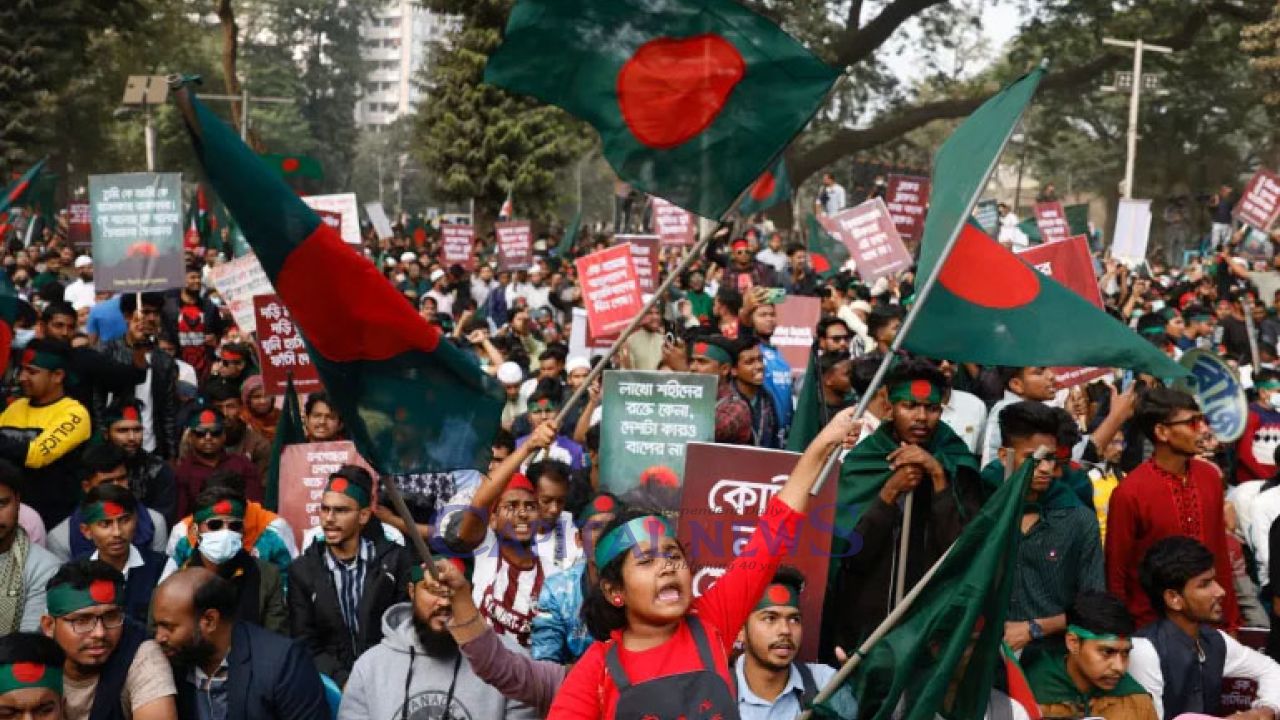
MM Rahmatullah: Two years have passed since the July-August 2024 Mass Uprising transformed
Bangladesh's political landscape. What began as a university-led protest
against the government job quota system soon evolved into one of the country's
largest popular movements in recent history. Students, garment workers,
professionals, day labourers, rickshaw-pullers, political activists, and
ordinary citizens joined demonstrations that eventually led to the collapse of
the then-ruling government.As Bangladesh observes the second anniversary of the uprising, one question
dominates public debate: Have the country's political parties truly understood
the message that millions of people delivered through the streets?A months-long investigation involving political analysts, academics, policy
experts, students and public documents suggests that while the uprising
reshaped the nation's politics, many of the structural grievances that fueled
public anger remain central to political discussions.From Campus Protest to National Movement: The immediate trigger of the
movement was opposition to the reinstated quota system in government
recruitment. Yet interviews with political observers indicate that the quota
issue merely exposed deeper frustrations that had accumulated over several
years.Researchers point to a combination of political, economic and institutional
factors that contributed to public dissatisfaction. These included allegations
of democratic backsliding, concerns over electoral credibility, restrictions on
political dissent, corruption, inflation, unemployment, rising living costs,
governance challenges, questions surrounding judicial independence, and
declining public confidence in state institutions."The quota issue was the spark," observed one political analyst.
"But the fuel had been accumulating for years."The movement gradually expanded beyond a policy dispute and evolved into a
nationwide demand for accountability, institutional reform and democratic
governance.Beyond Party Politics: Although political parties eventually became
involved, interviews with participants suggest that many protesters initially
viewed the movement as a citizens' campaign rather than a conventional
political struggle.Many young participants said they joined because they believed the protests
represented demands for fairness, transparency and equal opportunity rather
than support for any single political organization.This broad participation became one of the defining characteristics of the
uprising.Political scientists argue that no individual party can exclusively claim
ownership of the movement, which drew support from people across ideological, social
and economic backgrounds.A New Generation of Strategic Voters: One of the most significant political
developments following the uprising has been the emergence of what analysts
describe as strategic voting, particularly among educated young voters.Instead of voting primarily based on historical party loyalty or ideology,
many young voters increasingly evaluate parties according to: Governance
capacity, Anti-corruption commitments, Economic plans, Employment
opportunities, Transparency and Credibility of implementationPolitical researchers believe this marks a significant shift in Bangladesh's
electoral culture.Rather than emotional slogans alone, younger voters appear increasingly
interested in measurable outcomes and practical policy proposals.Manifestos under Greater Scrutiny: The investigation finds growing public
demand for election manifestos that are specific, measurable and achievable.While several political parties have announced reform agendas, many voters
interviewed questioned how these promises would be implemented.Public policy experts argue that future manifestos may need to answer
several practical questions:How will corruption be reduced?How will accountability be enforced?What mechanisms will ensure implementation?How will employment be expanded?What reforms will strengthen public institutions?According to analysts, broad promises without implementation strategies may
no longer satisfy an increasingly informed electorate.Internal Reform Begins at Home: Political observers repeatedly emphasized
that parties seeking public trust must first demonstrate reform within their own
organizations.Areas frequently highlighted include: Greater internal democracy, Merit-based
leadership selection, Financial transparency, Stronger accountability, Inclusion
of young professionals and Research-driven policymaking. Several experts argued that parties cannot convincingly campaign for
national reform unless they first reform themselves.Public Relations in the Digital Era: The investigation also found that
modern political communication has become increasingly important.Experts noted that successful political campaigns today require: Clear
messaging, Digital engagement, Fact-based communication and Accessible policy
explanations.Rapid response to misinformation: Young voters increasingly consume
political information through social media, short-form video platforms and
independent digital news rather than traditional campaign rallies alone.This shift has changed how political narratives are formed.National Identity and Sovereignty: Interviews with researchers indicate that
questions relating to national sovereignty and Bangladesh's foreign policy have
become more prominent in political discourse since the uprising.Some analysts argue that public debate increasingly reflects concerns about
protecting national interests and ensuring an independent foreign policy.Others caution that foreign policy remains complex and should be guided by
diplomacy, economic interests and regional stability rather than political
rhetoric alone.Most experts agreed that voters increasingly expect political parties to
explain not only what they believe but how they would protect Bangladesh's
long-term national interests.The Rise of Issue-Based Politics: One notable finding of this investigation
is the apparent decline of purely identity-based political campaigning among
sections of the electorate.Political scientists suggest that many voters are becoming more interested
in practical issues such as: Inflation, Job creation, Education, Healthcare, Public
services, Economic growth and Institutional reformThis shift does not eliminate ideological differences but places greater emphasis
on policy performance.The Youth Factor: The July Uprising reinforced the growing political influence
of Bangladesh's youth.Many of the organizers had previously participated in civic movements,
including campaigns related to road safety, taxation and governance.Researchers describe these mobilizations as evidence of a generation
increasingly willing to organize around specific public issues.Analysts believe that future governments may face stronger public scrutiny
from digitally connected young citizens who can rapidly mobilize around
governance concerns.Political Lessons Two Years Later: Experts interviewed for this report
identified several lessons that political parties may need to consider ahead of
future elections:First, credibility matters more than promises. Voters increasingly seek
evidence that commitments can be implemented.Second, economic opportunity remains a central concern. Employment,
inflation and living costs continue to shape public opinion.Third, transparency and accountability have become major electoral issues.Fourth, youth participation is likely to remain a decisive political force.Finally, effective governance may depend not only on winning elections but
also on maintaining public trust through responsive institutions and consistent
policy implementation.Looking Ahead: Two years after the July Uprising, Bangladesh stands at an important
political crossroads.The movement demonstrated the capacity of ordinary citizens—particularly
young people—to influence national politics through collective action. Whether
the long-term aspirations expressed during those months will be reflected in
future governance remains an open question.Political parties now face an electorate that appears more informed, more
connected and more demanding than in previous decades. Public expectations
increasingly extend beyond campaign slogans to include detailed policies,
institutional reforms and measurable results.
As Bangladesh prepares for the next chapter of its democratic journey, the
enduring legacy of the July Uprising may ultimately be measured not only by the
political changes it triggered, but by whether it encourages a stronger culture
of accountability, responsive governance and public participation.
© 2025 The Daily Capital News