প্রকাশের তারিখ : ১২ আগস্ট ২০২৬
Power crisis deepens in Rajshahi Division, public suffering mounts
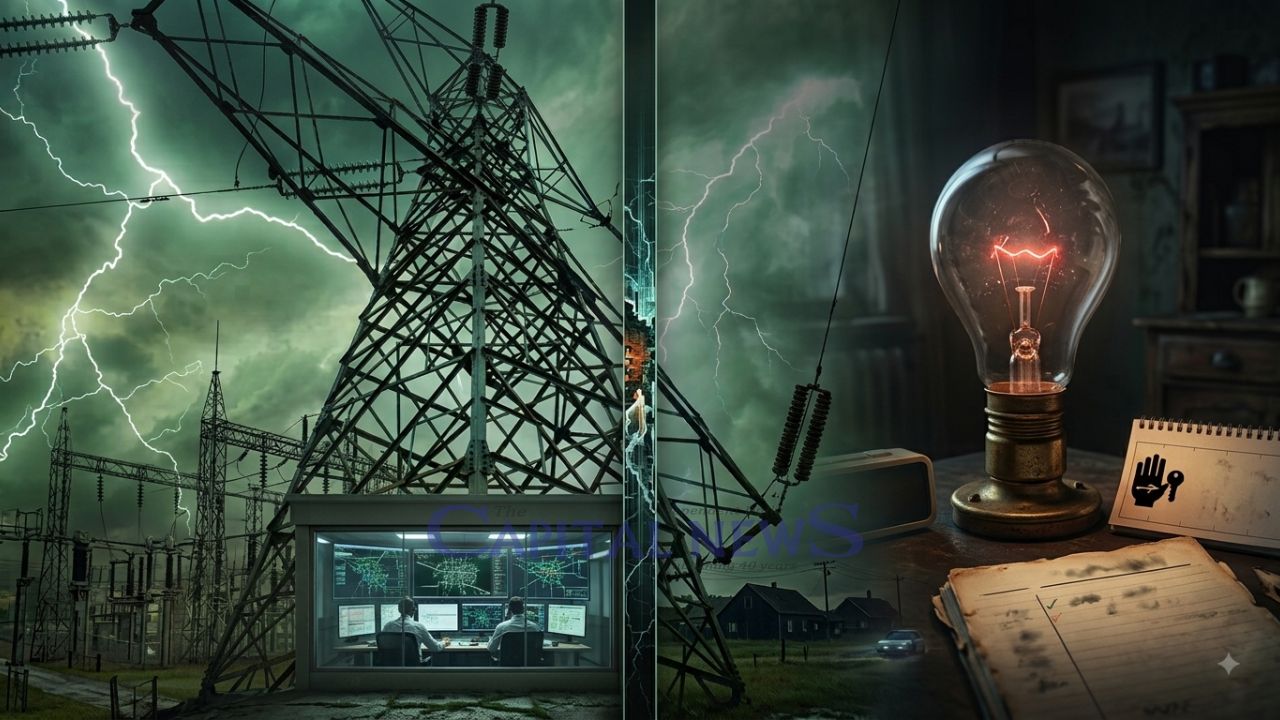
||
Shamim Rahman, Rajshahi Bureau: An acute power crisis has brought daily life to a standstill across several districts of Rajshahi Division, with frequent and prolonged load-shedding worsening public suffering amid intense summer heat.From urban centres to remote villages, residents of Rajshahi, Pabna, Chapainawabganj and Natore are struggling with repeated power outages. Homes, educational institutions, businesses, farms and industries are all feeling the impact, while farmers, students, homemakers, traders and people whose livelihoods depend on electricity are among the worst affected.According to data from the Northern Electricity Supply Company (NESCO), at 3:00pm on Tuesday, the total electricity demand in Rajshahi Division stood at 516.5 megawatts, while the supply was only 432.8MW. The resulting deficit was 83.7MW, meaning supply was about 16 percent lower than demand at that time.The shortage has triggered frequent load-shedding in different parts of the division.In Rajshahi city and surrounding rural areas, residents say power cuts have become particularly unbearable at night. Families with children and elderly members are struggling to cope with the sweltering heat as there is often no certainty about when electricity will return.“I cannot operate the irrigation pump because there is no electricity. If I cannot supply water to the crops on time, they will be damaged,” said Ujjal Ali, a farmer from Paba upazila.Nurunnahar Begum, a homemaker in Rajshahi city, said, “The biggest problem is coping with the heat with small children. We do not even know when the electricity will return.”Businesses are also suffering. Sagar, a trader in Rajshahi city, said power outages bring his work to a halt.“When there is no electricity, the shop's work stops. We cannot conduct online transactions or operate computers and other equipment, which is causing financial losses,” he said.Pabna is experiencing a similar situation, with residents reporting frequent power cuts throughout the day and night.According to local residents, electricity goes out four to five times during the day and another three to four times from evening until dawn. In areas such as Shalgaria, residents report six to seven outages in a 24-hour period.Each outage generally lasts around an hour, although on some occasions electricity remains unavailable for as long as two hours.The disruptions are affecting students' studies, business activities and everyday life.Mostafizur Rahman, executive engineer of NESCO in Pabna, said electricity demand in Pabna city was around 30MW, while the allocation was fluctuating between 15MW and 25MW.“Load-shedding is necessary because the supply is lower than demand,” he said.The situation is also severe in Chapainawabganj, where residents complain of three to four hours of load-shedding during the day and another four to five hours at night.Some areas are reportedly facing even longer outages.Residents of Binodpur in Shibganj upazila said that on some days they receive electricity for only five to six hours in a 24-hour period.The prolonged outages are disrupting sleep, students' education and routine household activities. Irrigation for agriculture, businesses, factory production and even the charging of battery-powered easy-bikes are being affected.Children, elderly people and those suffering from illness are facing particular hardship during the long outages.Natore is facing the same crisis, with load-shedding affecting households, businesses, educational institutions and industries across all seven upazilas, according to residents.People in Singra upazila appear to be among the worst affected. Locals say electricity remains unavailable for around five to six hours a day, counting both daytime and nighttime outages.Rabiul Islam, a tailor in Singra municipal town, said he was struggling to complete orders on time because his machines depend on electricity.“I cannot deliver work on time because there is no electricity. Customers are scolding me. I am in serious trouble because I depend on electrically powered machines,” he said.Poultry farmers are also struggling to keep their farms running during the hot weather.“It is difficult to raise ducks and chickens without fans. Keeping the farm running with a generator has become very difficult. It greatly increases production costs, but we do not get a corresponding price in the market,” said poultry farmer Masud Rana.Business owners in Gurudaspur have alleged that some areas are experiencing situations where electricity remains unavailable for as long as 16 to 18 hours.As a result, many businesses are being forced to close before evening.Educational activities have also been affected in Natore Sadar. A teacher from the Dighapatia area said multimedia classes could not be conducted properly because electricity supply was not stable between 9:00am and 4:00pm.The power crisis is creating problems beyond the immediate loss of electricity.Many residents say they are unable to fully charge their mobile phones and IPS batteries. In some places, electricity returns only briefly before going out again, preventing backup batteries from charging adequately.As a result, even alternative power arrangements are proving ineffective for many households.A NESCO official, speaking on condition of anonymity, said the principal reason for the load-shedding was the gap between electricity demand and supply.“The supply of electricity is lower than demand, so we are compelled to carry out load-shedding. The situation will improve if supply increases,” the official said.The continuing power shortage has become more than an inconvenience for residents of Rajshahi Division. In the middle of intense heat, prolonged outages are disrupting agriculture, education, commerce, small businesses and industrial production, while creating additional risks and hardship for children, elderly people and those who are ill.For farmers, a delayed supply of electricity can mean delayed irrigation. For students, it can mean losing valuable study hours. For small businesses and workers dependent on electric machinery, every prolonged outage can translate into lost income.Residents across the division are therefore demanding urgent measures to reduce the supply deficit and restore a stable electricity supply.They say uninterrupted and predictable power is no longer simply a matter of comfort—it is essential for protecting livelihoods, maintaining education and keeping the region's economy moving.
© 2025 The Daily Capital News