প্রকাশের তারিখ : ২৯ মার্চ ২০২৬
India faces mounting criticism over trade setbacks amid broader policy concerns
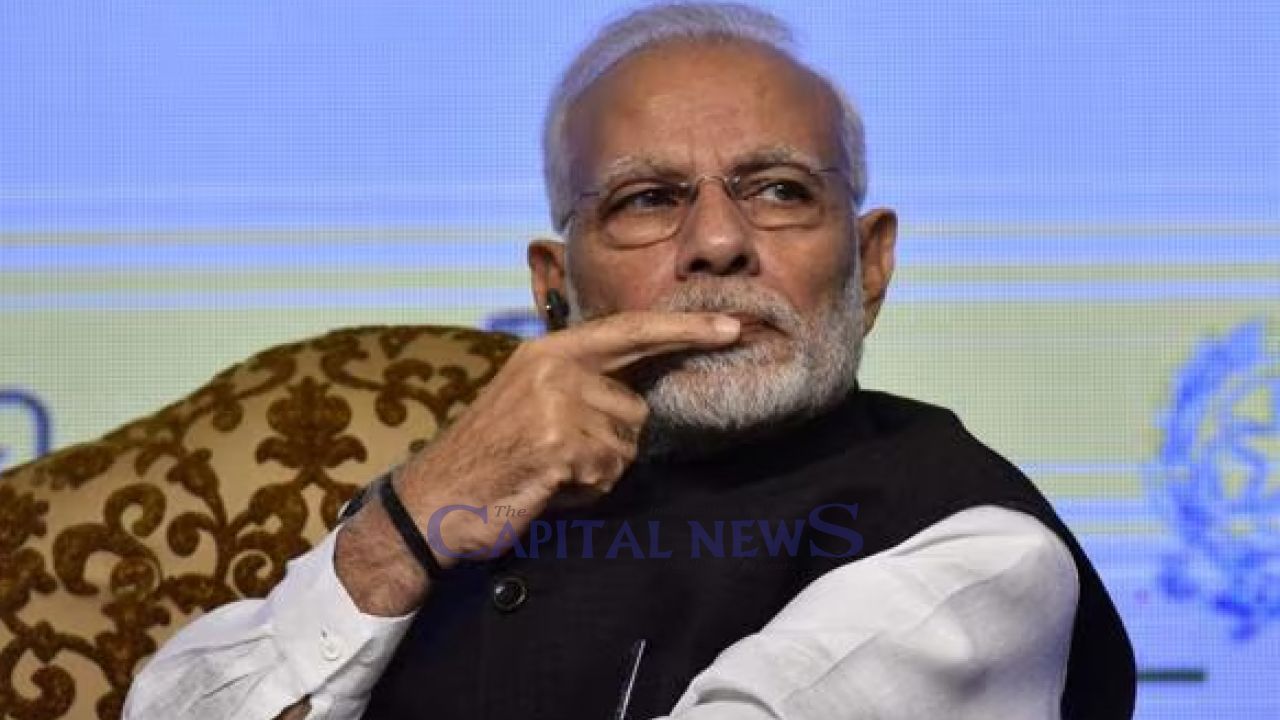
||
MM Rahmatullah: India is facing growing criticism following what observers describe as a disappointing outcome at a recent World Trade Organization (WTO) conference, adding to concerns about the country’s diplomatic, defense, and economic direction under Prime Minister Narendra Modi’s leadership.According to multiple media reports and policy analysts, India returned from the WTO meeting without securing key economic priorities, raising questions about its global trade strategy. Critics argue that the country, which has long positioned itself as a leading voice of the Global South, appeared to yield to pressure from major global powers rather than assert its own interests.One major point of contention centers on India’s reported acceptance of conditions related to digital trade. Analysts claim this signals a willingness to align with demands led by the United States, particularly regarding the non-imposition of customs duties on digital content—an issue that has been contentious for developing economies seeking to protect domestic industries.Additionally, concerns have been raised over India’s stance on the Investment Facilitation Agreement at the WTO, with some commentators suggesting that the government did not strongly oppose provisions that could have long-term implications for domestic economic sovereignty.Agricultural policy has also emerged as a flashpoint. Critics argue that India’s position on public stockholding of food—an issue tied closely to food security and farmer support—has weakened, potentially affecting millions dependent on government-backed agricultural systems.Beyond trade, broader geopolitical decisions have come under scrutiny. Some analysts point to India’s foreign policy choices in the context of Middle Eastern tensions, suggesting that strategic alignments may be influencing national priorities in ways that could carry economic and diplomatic consequences.Economists have also highlighted internal challenges facing the Indian economy, including pressure on the national currency, concerns over energy supply stability, and fluctuations in remittance inflows. These factors, combined with global economic uncertainty, are seen as adding strain to India’s growth ambitions.While government supporters argue that India continues to navigate a complex global landscape and remains on a long-term growth trajectory, critics contend that recent developments reflect deeper structural and strategic shortcomings.
© 2025 The Daily Capital News