প্রকাশের তারিখ : ০৪ অক্টোবর ২০২৬
Make the Most of Opportunities to Serve the People: Opportunities Do Not Come Again and Again
||
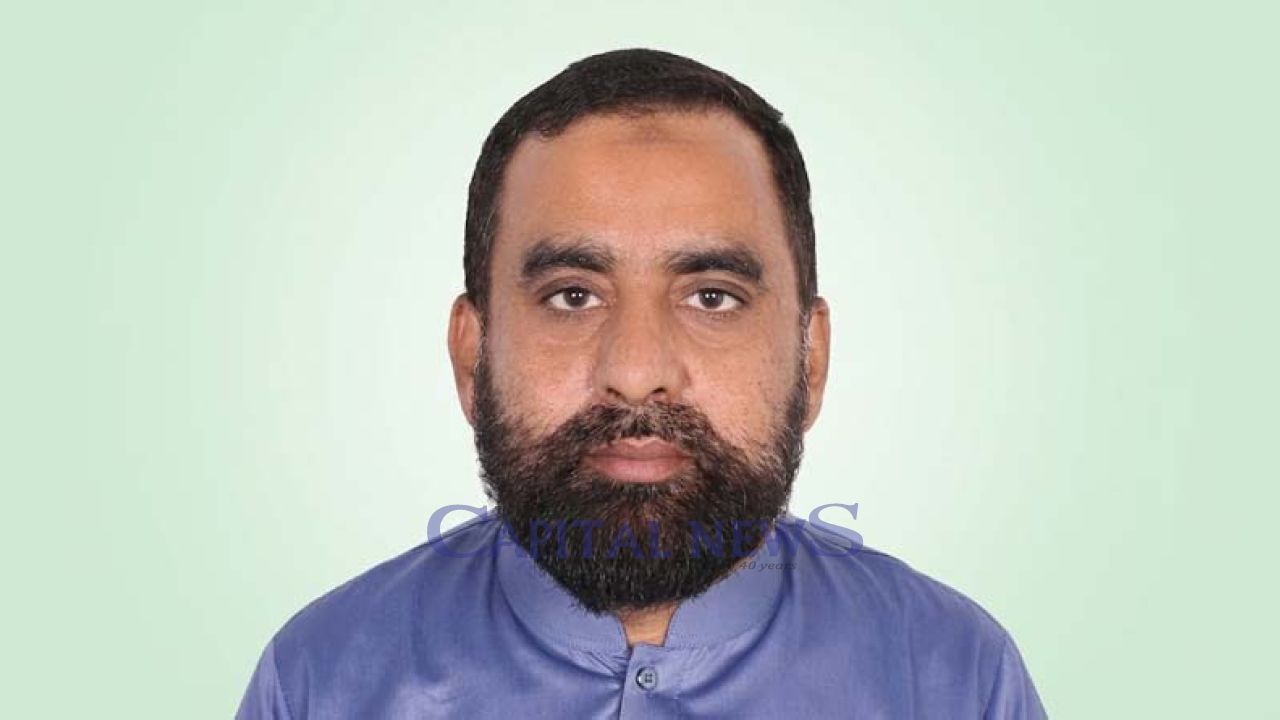
Md. Mukhlesur Rahman: Opportunities do not come repeatedly in a person’s life. The opportunity to serve the people is one such precious privilege. Whether it comes through elected office, public service, administrative responsibility, social leadership, or a position of significance in an institution, the opportunity should be used for the welfare of the people. Using such an opportunity primarily for personal benefit is neither appropriate nor responsible.Position and power are never permanent. There is no guarantee that someone holding an important position today will remain there tomorrow. A person whose decisions influence the lives and livelihoods of many today may, with the passage of time, return to the ranks of ordinary citizens. This is a longstanding reality of life, and there is little room for exception. Therefore, no one should regard a position of power as permanent.Responsibility Means More Than PowerBeing entrusted with responsibility is certainly an honour, but an even greater matter is the sense of responsibility that comes with it. The greater the position, the greater the obligation to the people. Power provides an opportunity to influence others, but its true value depends on how effectively it is used for public welfare.A responsible person can choose to use their position for personal interests, or they can use the same position to solve people’s problems and improve their lives. The difference is not merely a matter of personal character; it can affect an entire institution, society, and even the state.Public money, public resources, and state institutions are not the private property of any individual or group. Being entrusted with them means accepting the serious responsibility of protecting what belongs to the people. Therefore, every decision taken in the exercise of public responsibility should be guided by a fundamental question: How will this decision benefit ordinary people?Public Trust Is the Greatest AchievementFor an elected representative, government official, political leader, businessperson, social worker, or any socially influential individual, public trust is immensely important. The value of money, position, and influence may change over time, but the trust of the people, once earned, can endure much longer.People may not remember everything, but they rarely forget who stood beside them in difficult times, who spoke out against injustice, and who opened the door of opportunity for those in need.Serving the people, therefore, does not simply mean undertaking large projects or delivering formal speeches. Ensuring the legitimate rights of a disadvantaged person, protesting against irregularities, making public services easier to access, preventing opportunities for corruption, arranging medical treatment for a sick person, or helping a young person find employment—all can be meaningful forms of public service.The Tendency to Turn Opportunities into Personal AssetsTreating responsibility not as an opportunity to serve but as a means of securing personal benefits is a serious social and institutional problem. When power becomes associated with nepotism, corruption, abuse of influence, or the accumulation of personal wealth and property, ordinary people suffer and institutions become weaker.An individual may somehow secure personal advantages. But when such practices become widespread, public institutions are weakened, merit gives way to connections, and frustration grows among ordinary citizens.Those entrusted with responsibility should therefore remember: power is not something to be enjoyed; it is something to be used for the welfare of the people.We Must Understand the Value of TimeJust as life has a limited span, every position of responsibility also has a limited duration. Political office, government responsibility, organizational leadership, and social influence are not permanent. Therefore, actions that can be taken while one is in a position of responsibility may become difficult or even impossible once that responsibility ends. This is why necessary initiatives for public welfare should be undertaken while the opportunity exists.Many worthwhile initiatives fail to materialize because of indecision, unnecessary delays, or a reluctance to take responsibility. Later, when circumstances change, the opportunity may no longer exist.Yet a timely decision can help a family escape poverty, improve an educational institution, save an industrial enterprise, transform the quality of life in a community, or change the future of many people. A just and well-considered decision can sometimes alter the course of countless lives.Every day in a position of responsibility is therefore important. A correct decision taken today can become the foundation for significant change tomorrow.Public Service Is Not the Sole Responsibility of PoliticiansWhen we hear the term “public service,” we often think primarily of political leaders or elected representatives. In reality, however, serving society is a responsibility that belongs, according to their respective abilities, to everyone.A teacher contributes by educating a new generation and instilling knowledge and values. A physician serves humanity by protecting and saving lives. A banker can support entrepreneurs and ordinary citizens by providing responsible financial services. A businessperson can create employment opportunities for many people. A journalist, writer, or columnist can protect the public interest through the power of the written word. A government official can reduce people’s suffering by providing fair, efficient, and timely public services.Public service should not be confined to a particular profession or position. Everyone should contribute to society from whatever position they occupy and with whatever capacity and opportunity they possess. That, too, is public service.Power Must Be Accompanied by AccountabilityFor public service to be effective, accountability must accompany authority. Whoever makes a decision should also be prepared to explain its justification and accept responsibility for its consequences.Transparency, the rule of law, fairness, and accountability within institutions reduce opportunities for the abuse of power. At the same time, genuinely responsible individuals understand that their decisions can have far-reaching consequences and that those decisions will ultimately be subject to public and institutional scrutiny.The spirit of public service, therefore, is not merely a matter of individual morality; it is also connected to institutional structures. Good institutions create an environment in which honest and capable people can work effectively and where there are meaningful mechanisms for addressing wrongdoing.We Should Leave Something Behind for OthersUltimately, when a person’s life is assessed, questions about how high a position they held, how much wealth they accumulated, or how much power they possessed are not the only things that matter. Another question is equally important: What did they leave behind for the people?Someone may build a valuable institution, contribute to the expansion of education, stand beside disadvantaged people, or preserve an industrial enterprise that provides employment for many. Such contributions can give meaning and dignity to a person’s life.On the other hand, if someone gains power but focuses only on personal interests, the position may remain part of their biography, but that does not necessarily mean they will earn a lasting place in the hearts of the people.When the Opportunity Comes, Use ItAn opportunity to serve the people cannot simply be saved for some future time. Responsibilities are temporary, and circumstances can change. Therefore, anyone who is in a position today to do something meaningful for the people should do as much as possible while that opportunity exists.A good decision, a just initiative, standing against corruption, or ensuring the rights of a disadvantaged person—each of these can be an act of public service.One day the position will end, circumstances will change, and power will shift. What will remain is the work done for the welfare of the people.Bringing smiles to people’s faces, protecting their rights, and creating a positive course of change in society can be the greatest success and most meaningful achievement of anyone entrusted with responsibility.It is broadly understood that opportunities do not come again and again in life. Therefore, whenever an opportunity to serve the people comes our way, let us not waste it on personal interests. Instead, let us use it for the welfare of society and make public service an enduring commitment to responsibility and humanity.Md. Mukhlesur RahmanEconomist, Social and Political Thinker, Human Rights Activist, and Columnist
© 2025 The Daily Capital News