প্রকাশের তারিখ : ০৮ অক্টোবর ২০২৬
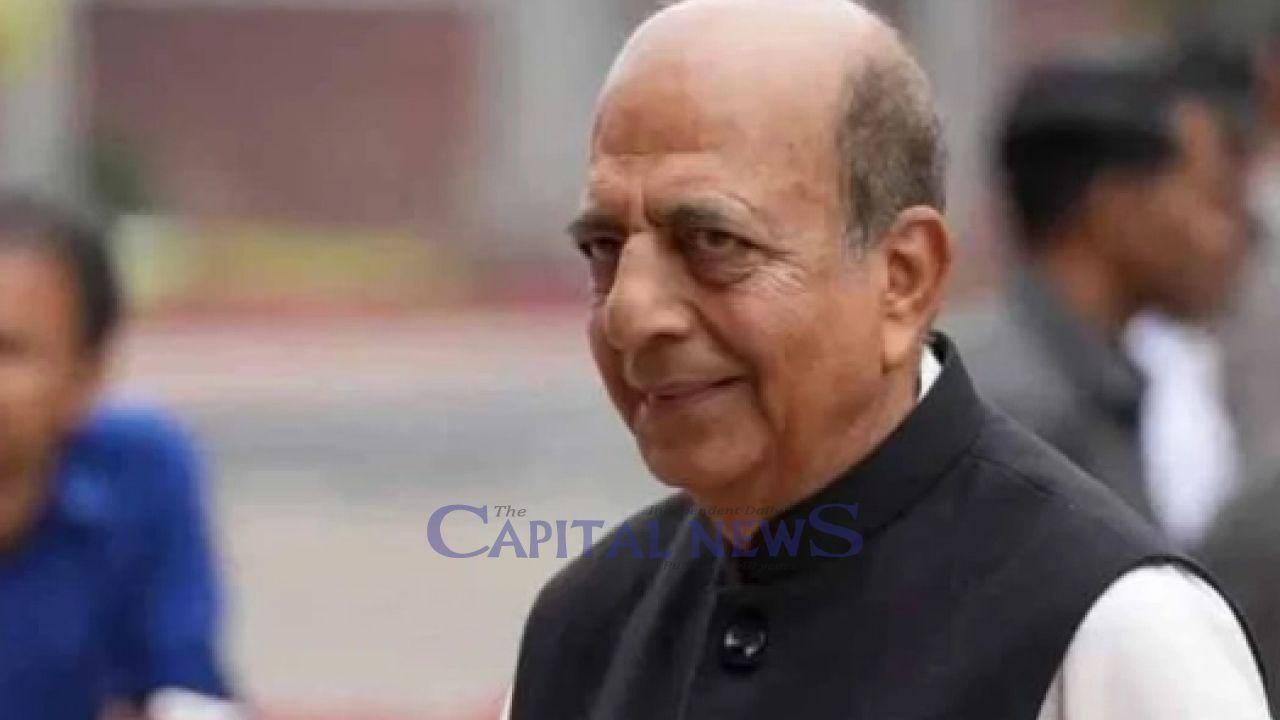
Trivedi tracker: How Indian envoy built a multi-pillar network in Dhaka while Bangladeshi one was left waiting on protocol
||
There is a stark asymmetry in the diplomatic traffic between Dhaka and New Delhi. Bangladesh’s outgoing High Commissioner to India Riaz Hamidullah managed only two publicly reported engagements with Indian External Affairs Minister Dr S Jaishankar between June 5 and October 9: one to establish rapport, another to say goodbye. Conversely, India’s High Commissioner to Bangladesh, Dinesh Trivedi, navigated a vastly different landscape. Within little more than two months of beginning his assignment, the septuagenarian BJP leader moved effortlessly through Bangladesh’s political, constitutional, security, and economic establishments. The figures surrounding Trivedi’s itinerary demand a closer look. At least 13 distinct engagements can be identified. Excluding initial protocol procedures and his engagement with US Special Envoy Sergio Gor, Trivedi conducted at least ten substantive meetings with Bangladesh’s state leadership. Beginning with standard formalities on June 20, Trivedi submitted credentials to Chief of Protocol AFM Zahidul Islam and called on Foreign Secretary Asad Alam Siam. Five days later, he formally presented credentials to President Mohammed Shahabuddin at Bangabhaban.August marked a diplomatic blitz. Early that month, Trivedi met Foreign Minister Khalilur Rahman a second time before engaging Bangladesh’s executive leadership. On August 3, he met Prime Minister’s Adviser Humaiun Kobir. On August 6, he met Power Minister Iqbal Hasan Mahmud Tuku and State Minister Anindya Islam Amit. During his meeting with the Prime Minister, Trivedi conveyed Modi’s greetings and expressed India’s desire for forward-looking relations, while Tarique Rahman emphasized creating a "conducive environment."By late August, he met PM's Advisers Sheikh Faridul Islam and Ismail Jabiullah. On September 8, Trivedi met President Mirza Fakhrul Islam Alamgir, alongside Shipping and Railways Minister Shaikh Rabiul Alam. The following day, he entered the defense establishment at Dhaka Cantonment to confer with PM’s Defence Adviser Brigadier General (retd) Dr AKM Shamsul Islam regarding military training. Trivedi’s access points out a structural lack of reciprocity. While Hamidullah found doors closed in New Delhi, Trivedi systematically pursued a six-pillar strategy encompassing political leadership, constitutional figures, foreign policy institutions, internal security, connectivity networks, and strategic partners. This disparity presents a critical question for Dhaka. If India’s envoy can access Bangladesh’s President, Prime Minister, cabinet ministers, defense advisers, and infrastructure heads within weeks, why did Bangladesh’s representative in New Delhi struggle to secure routine access to India’s foreign policy leadership? The contrast reveals two entirely different diplomatic ecosystems. Trivedi’s circuit bridged protocol, executive politics, internal security, defense, and cross-border connectivity. Hamidullah’s visible engagements in Delhi remained narrow, constrained by formal channels while India operated through a broader political network. For the Indian envoy, diplomacy meant knocking on every consequential door; for Bangladesh’s representative in Delhi, the public record suggests few doors were opened, exposing a fundamental imbalance in diplomatic leverage between the two neighbors.
© 2025 The Daily Capital News