প্রকাশের তারিখ : ১১ অক্টোবর ২০২৬
Haluaghat PIO Ashish Karmakar Plays Role in Rural Infrastructure Development
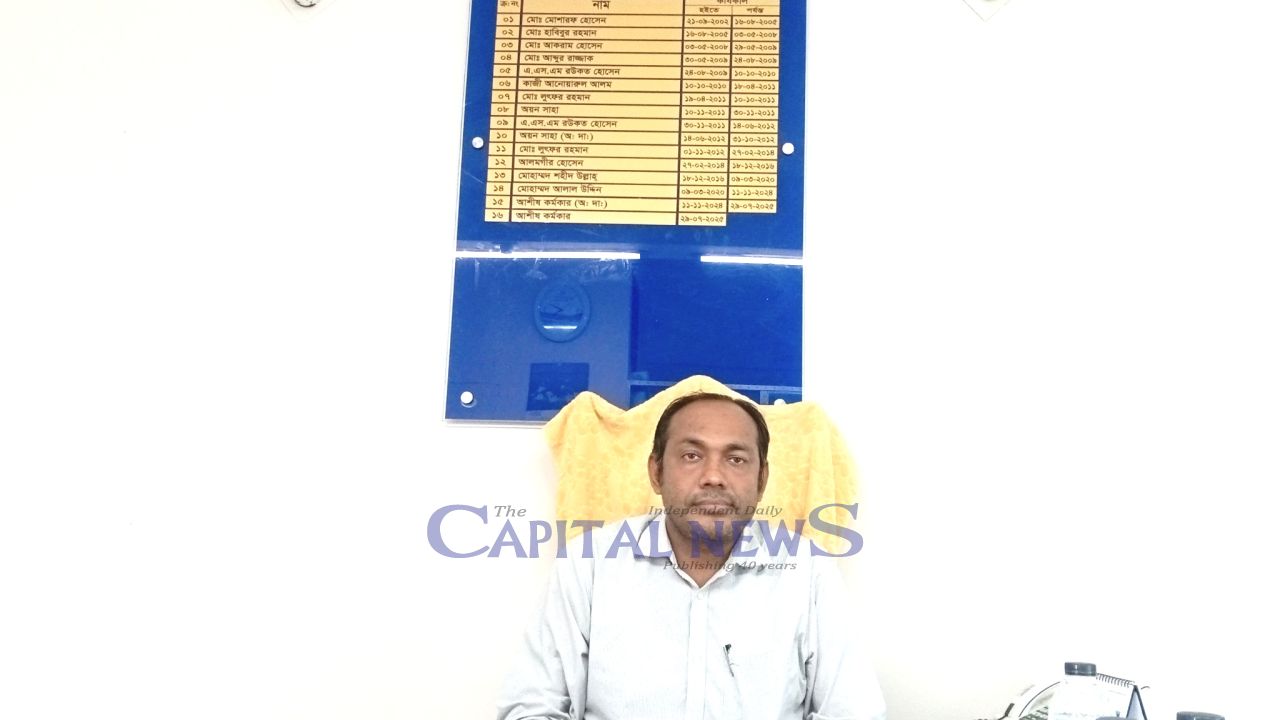
||
Rayhan Ahmed, Mymensingh Bureau: The Upazila Project Implementation Office plays an important role in improving rural connectivity, constructing and repairing roads, installing culverts and implementing government development programmes aimed at addressing natural disasters. In Haluaghat upazila of Mymensingh, Project Implementation Officer (PIO) Ashish Karmakar is involved in implementing rural infrastructure development and disaster management activities.Rural infrastructure development is a key driver of socioeconomic progress. Better roads and improved communication networks help farmers transport agricultural produce to markets, enable students to travel to educational institutions, facilitate patients’ access to healthcare and make daily movement easier for local residents.Against this backdrop, the Project Implementation Office is responsible for implementing various development initiatives, including rural road construction, repair and culvert installation, in line with government plans and allocations.Improved communication facilities remain a long-standing expectation of people living in different rural areas of Haluaghat. Better roads and culverts can significantly ease movement, particularly for residents of remote villages who often face difficulties travelling to markets, schools, healthcare facilities and other essential services.As part of his official responsibilities, PIO Ashish Karmakar is involved in rural infrastructure development initiatives. Effective project planning, monitoring implementation progress and ensuring that the benefits of government-funded projects reach local communities are important aspects of this work.Proper implementation of these projects can contribute to stronger rural connectivity, improved access to essential services and greater economic opportunities for people living in the upazila.Disaster preparedness and response are also important responsibilities of the Project Implementation Office, particularly in areas vulnerable to natural calamities. Timely assistance to affected people, appropriate utilisation of government allocations and coordination among relevant agencies are essential to reducing losses and protecting livelihoods.In Haluaghat, the office has a role in implementing government assistance and development activities related to disaster management. PIO Ashish Karmakar is involved in carrying out these responsibilities as part of his official duties.Effective disaster management requires timely action, proper coordination and the responsible distribution of government assistance. Ensuring that support reaches affected communities and that allocated resources are used for their intended purposes remains crucial to protecting vulnerable households.The success of government development projects depends not only on financial allocations but also on proper planning, quality construction, regular supervision, transparency and accountability.Ensuring that projects are completed according to approved plans and relevant rules is essential to preventing the waste of public resources and delivering lasting benefits to local communities.For rural infrastructure projects, maintaining construction quality is particularly important. Roads and culverts built to appropriate standards can serve communities for years, while poor-quality work may lead to repeated repairs, additional public expenditure and continued difficulties for residents.Regular monitoring and attention to local needs can therefore help ensure that development initiatives produce sustainable results.The continued implementation of government-funded development projects is important for improving the living standards of people in Haluaghat. Alongside infrastructure development, effective disaster management and the proper use of public funds remain essential to ensuring inclusive and sustainable progress.Local development stakeholders expect that ongoing initiatives under the responsibilities of the Upazila Project Implementation Office will continue to support improvements in rural infrastructure and disaster response.Sustained progress, however, will depend on the quality of implementation, effective monitoring, compliance with government rules and responsiveness to the needs of local residents.Ultimately, the success of rural development should be measured by tangible improvements in people's daily lives—better roads, easier access to essential services, greater economic opportunities and timely assistance during disasters.
© 2025 The Daily Capital News