প্রকাশের তারিখ : ২৯ এপ্রিল ২০২৬
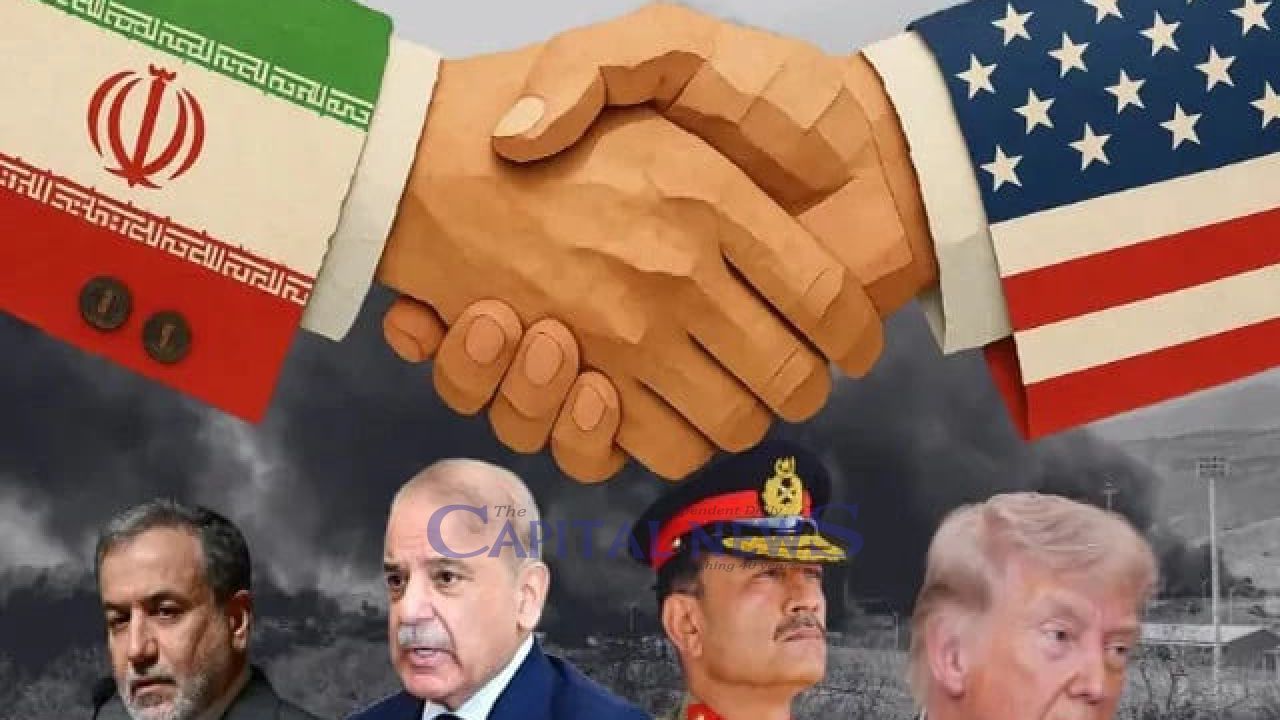
Pakistan still central to Iran-US diplomacy
||
CN Desk: With chances of imminent talks between Iran and the United States
diminished, the focus has also shifted away from Islamabad, at least for now.
Pakistan has remained in the global spotlight since the US and Iran first
agreed to a temporary ceasefire three weeks ago, which led to the
groundbreaking direct talks between the two adversaries since 1979.During the last 10 days or so, Pakistan twice came close to arranging
another round of talks. But Iran's preconditions, such as lifting the US naval
blockade, prevented the second round from happening. Since then, backchannel
diplomacy has taken over. Islamabad may no longer be in the spotlight, but it
remains a pivotal player guiding behind-the-scenes efforts.It was via Pakistan that Iran recently shared a proposal with the United
States to end the war. While the exact details were not available, the proposed
plan envisaged first the reopening of the Strait of Hormuz before serious
discussions on other issues, including Iran's nuclear program. The US said it
would not accept the current Iranian proposal.In a social media post on Tuesday, US President Trump said Iran had informed
the US it is "in a 'State of Collapse,'" insisting Tehran wants the
Strait of Hormuz open as "they try to figure out their leadership."Apart from differences on major issues, Iran and the US have divergent
approaches on how to end the conflict. Iran wants a step-by-step approach and
does not want to sign a deal in a hurry. The US, meanwhile, is pushing for an
"all-in-one deal" envisaging all contentious issues, including the
Strait of Hormuz and nuclear matters.Washington feels that lifting the naval blockade in return for reopening the
Strait of Hormuz would take away its key leverage at the negotiating table.With the US having reservations over the Iranian proposal, American media
reports suggest that Tehran may soon submit a revised set of plans via Pakistan
to Washington.This shows that the diplomatic process, even if moving at a slow pace, has
not halted.Iran, meanwhile, is, in parallel, trying to develop a regional framework
bypassing the US to deal with some of the pressing issues.
Iran's Foreign Minister Abbas Araghchi travelled to Oman and Russia, while
also making two stopovers in Islamabad. Similarly, the top Iranian diplomat
spoke to the Saudi, Qatari, French and Turkish foreign ministers to discuss the
evolving situation. While Russia supported Iran and President Putin offered to
help resolve the issue, Oman seems not inclined to accept Iran's proposal of
exercising joint control of the Strait of Hormuz.
© 2025 The Daily Capital News