প্রকাশের তারিখ : ২৩ মে ২০২৬
Faith-Based Boycott Leaves Christian Families in Chhattisgarh Without Water or Work
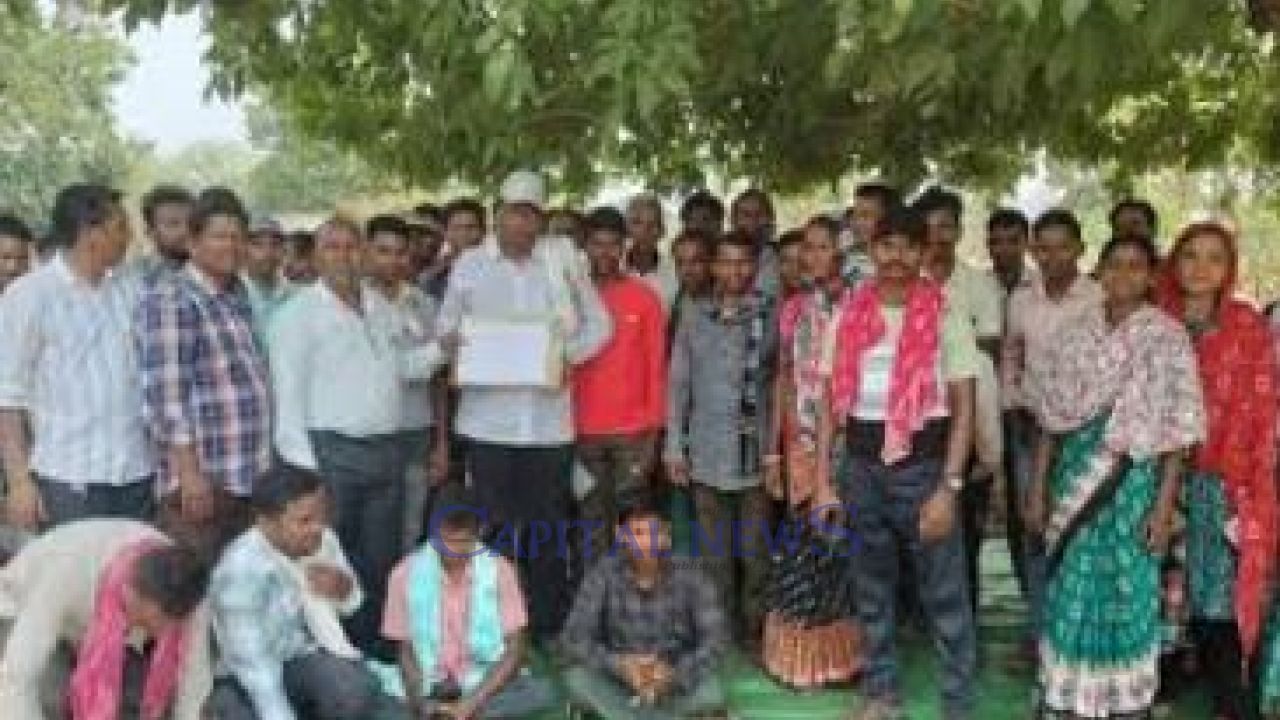
||
Special Correspondent: In another disturbing reflection of growing
religious intolerance and discrimination against minorities in Modi’s India,
Christian families from several villages in Kanker district of BJP-ruled
Chhattisgarh are being denied access to basic water sources and livelihood
opportunities by members of the Hindu community due to their religious beliefs.According to Kashmir Media Service, an appeal issued
by the Progressive Christian Alliance said that Christian families in the
Antagarh region, including villages such as Madappa, Bhainsgaon and Burkhapara,
have been stopped from using rivers, ponds, taps and hand pumps for several
weeks.The appeal, citing affected families, said these
restrictions are being used as pressure tactics to force them to abandon
Christianity and participate in so-called “Ghar Wapsi” programmes.Representatives of the Jila Masih Astha Samaj, a
district level Christian community organization, said they had repeatedly
approached local authorities regarding the issue. They stated that written
complaints were submitted to the district administration and police, while oral
appeals for intervention had also been made earlier in April. “Despite repeated
complaints, many families continue to face serious hardship,” community
representatives said.The Progressive Christian Alliance said that nearly
26 Christian families have been directly affected by restrictions on water
access. It also said that families are facing economic marginalization,
including denial of work under the Mahatma Gandhi National Rural Employment
Guarantee Act (MGNREGA), exclusion from local employment opportunities,
restrictions on collecting forest produce, and threats linked to farming and
livelihood activities.The appeal said that 41 families were denied work
under MGNREGA, while 115 families were prevented from participating in Tendu
Leaf Procurement — an important seasonal source of income in the region. It
added that firewood belonging to four families had been forcibly taken away.
The alliance urged authorities to ensure immediate
access to basic rights, including water, livelihood opportunities and legal
protection for the affected families, calling on government insitiutions, human
rights groups and civil society organisations to intervene urgently.
© 2025 The Daily Capital News