প্রকাশের তারিখ : ০২ জুন ২০২৬
China, Pakistan oppose unilateral action on Kashmir
||
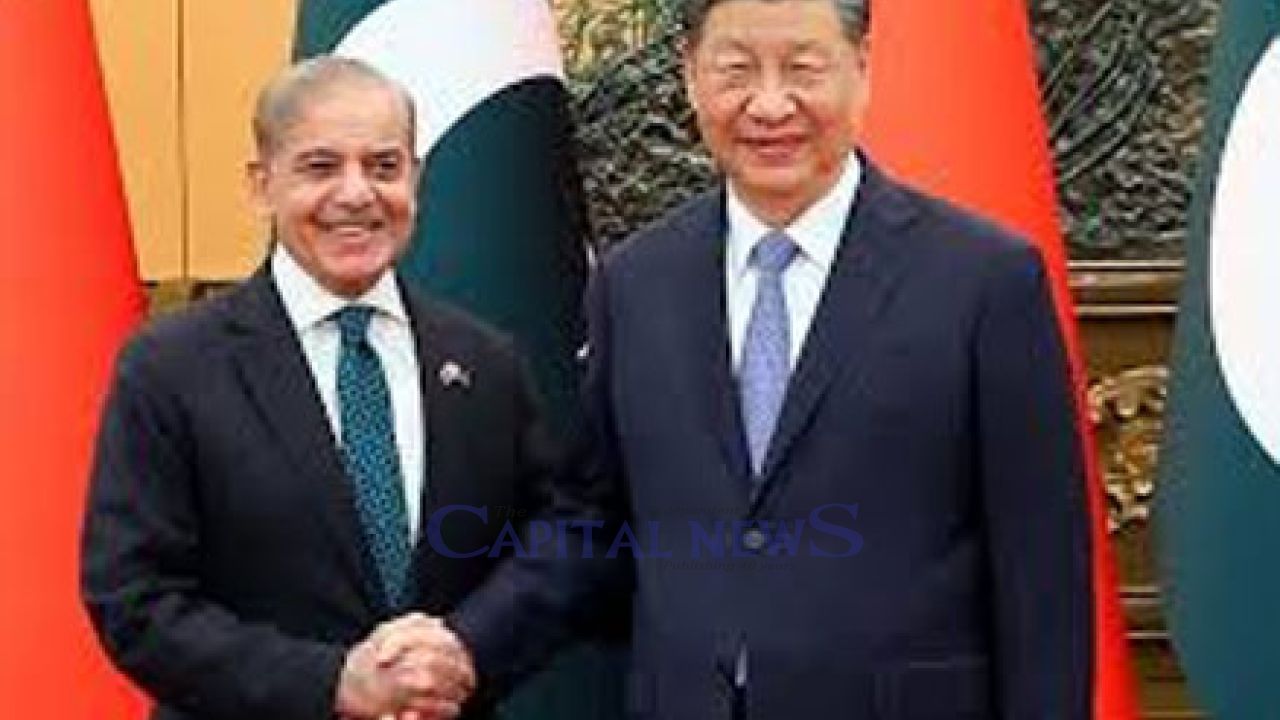
CN Desk: Pakistan and China on Tuesday reiterating their opposition to any unilateral actions, reaffirmed the significance of maintaining peace and stability in South Asia, and resolution of all outstanding disputes through dialogue and diplomacy, including Jammu and Kashmir dispute. According to a joint statement issued simultaneously by Beijing and Islamabad at the conclusion of Prime Minister Shehbaz Sharif's four-day visit to China, both sides expressed their readiness to conduct trans-boundary water resources cooperation. "The Chinese side reiterated that the Jammu and Kashmir dispute is left over from history, and should be properly and peacefully resolved in accordance with the UN Charter, relevant UN Security Council resolutions and bilateral agreements," the statement said. The two countries also opposed "any unilateral actions" and stressed the importance of maintaining peace and stability in South Asia through dialogue and diplomacy, it said, adding that the two sides expressed readiness to conduct trans-boundary water resources cooperation under the principle of equality.The joint stance of Pakistan and China becomes significant in the wake of India's unilateral decision of stripping Jammu and Kashmir of its special status in 2019. Furthermore, during the military conflict in May last year, India suspended the Indus Waters Treaty with Pakistan. According to the statement, during the talks between Prime Minister Shehbaz and the Chinese leadership, the two countries reached a "new broad consensus" on deepening their strategic partnership, accelerating CPEC 2.0 projects and transforming Gwadar into a regional connectivity hub. The two countries pledged to "move faster" in building an even closer 'China-Pakistan Community with a Shared Future in the New Era', while expanding cooperation in defence, security, economy, artificial intelligence, space technology and regional diplomacy.A major focus of the talks remained on the expansion of the China-Pakistan Economic Corridor under its upgraded "CPEC 2.0" framework. Both sides agreed to hold the meeting of the CPEC Joint Cooperation Committee and advance high-quality Belt and Road cooperation. The statement said the two countries would push ahead with the Karakoram Highway's Thakot-Raikot realignment project in a "phased and orderly manner."Significantly, both sides agreed to leverage the potential of Gwadar Port and develop it into a "regional connectivity hub," while also enhancing land connectivity through the Khunjerab Pass. The two sides also welcomed third-party participation in CPEC projects under a mutually agreed framework. In another important development, the joint statement highlighted growing defence and security cooperation between the two countries. China said it was ready to work with Pakistan to fully implement the Global Security Initiative and establish a "China-Pakistan Security Partnership".The two sides agreed to deepen military-to-military cooperation and continue bilateral and multilateral counterterrorism collaboration. Pakistan assured China that it would take "targeted steps" to strengthen security measures for the protection of Chinese personnel, projects and institutions operating in Pakistan. The statement carried strong geopolitical messaging, particularly on regional and global disputes. Both countries also jointly opposed "double standards" in counterterrorism and rejected the "politicisation and instrumentalisation" of counterterrorism efforts.
© 2025 The Daily Capital News