প্রকাশের তারিখ : ০৩ জুলাই ২০২৬
Allahabad High Court clarifies: Places of Worship Act does not bar acquisition for public projects
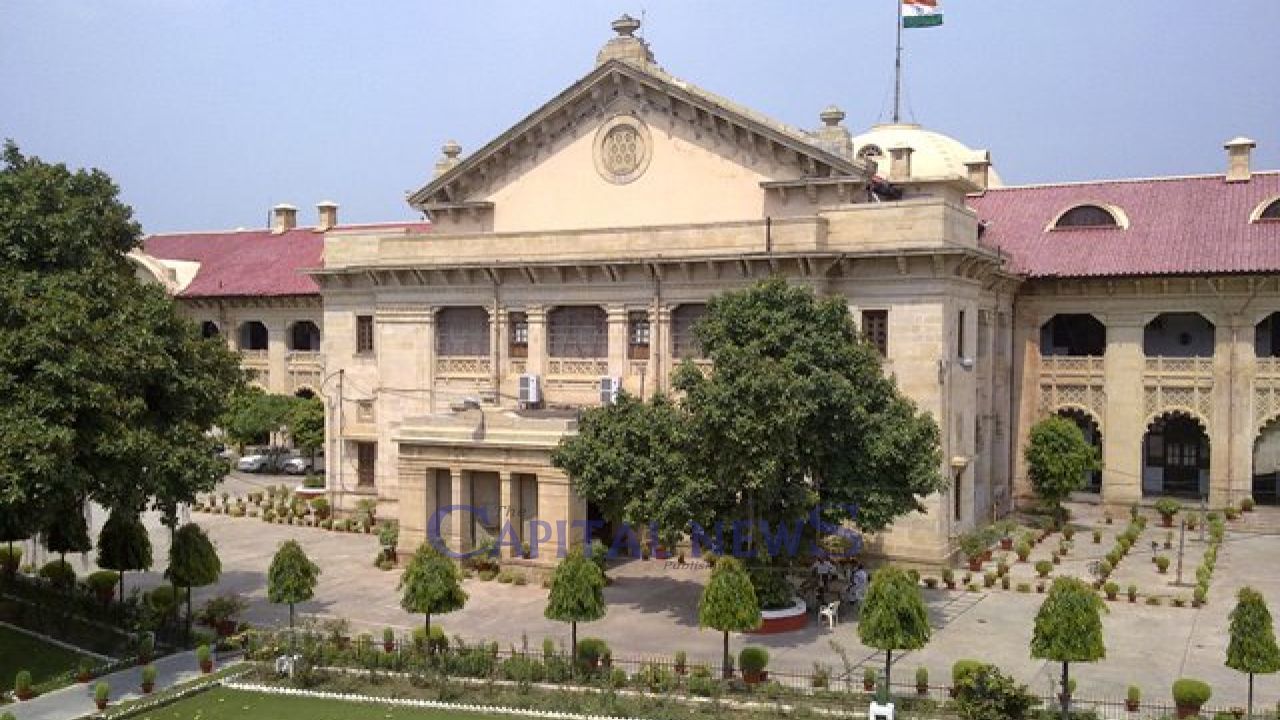
||
Special Correspondent: The Allahabad High Court has held that the Places of Worship (Special
Provisions) Act, 1991, safeguards the religious character of places of worship
as they existed on August 15, 1947, but does not prevent the government from
acquiring such properties for genuine public purposes, including infrastructure
development and road widening.A division bench comprising Justice JJ Munir and Justice Arun Kumar
dismissed a petition filed by six Muslim shopkeepers from Varanasi’s Dalmandi
area. The petitioners had challenged the Uttar Pradesh government’s proposed
road-widening project linked to the Kashi Vishwanath Corridor, arguing that it
would lead to the demolition of their shops—their sole source of livelihood—and
the acquisition of six mosques in the vicinity.The mosques named in the petition included Anjuman Intezamia Masjid, Masjid
Rangile Shah, Masjid Ali Raza Khan, Masjid Karimullah Baig, Masjid Nisaran, and
Masjid Sangamarmar. The petitioners claimed these structures predated
Independence and that their acquisition would violate the 1991 Act.Rejecting the plea, the court clarified that the 1991 legislation primarily
aims to prohibit the conversion of a place of worship from one religious
denomination to another. It does not curtail the State’s sovereign authority to
acquire land for secular public purposes.The bench also referenced Section 51 of the Waqf Act, 1995 (as amended),
which permits acquisition of Waqf properties for public use, subject to legal
safeguards and consultation with the Waqf Board. It termed the petitioners’
allegation of community targeting as “odd” and noted that, as mere tenants and
not mutawallis or custodians, they lacked locus standi to represent the
mosques.
The court, however, emphasized that its observations would not prejudice any
future legal remedies available to the Uttar Pradesh government, the Waqf Board,
or the mosque authorities.
© 2025 The Daily Capital News