প্রকাশের তারিখ : ১২ জুলাই ২০২৬
India's water intransigence
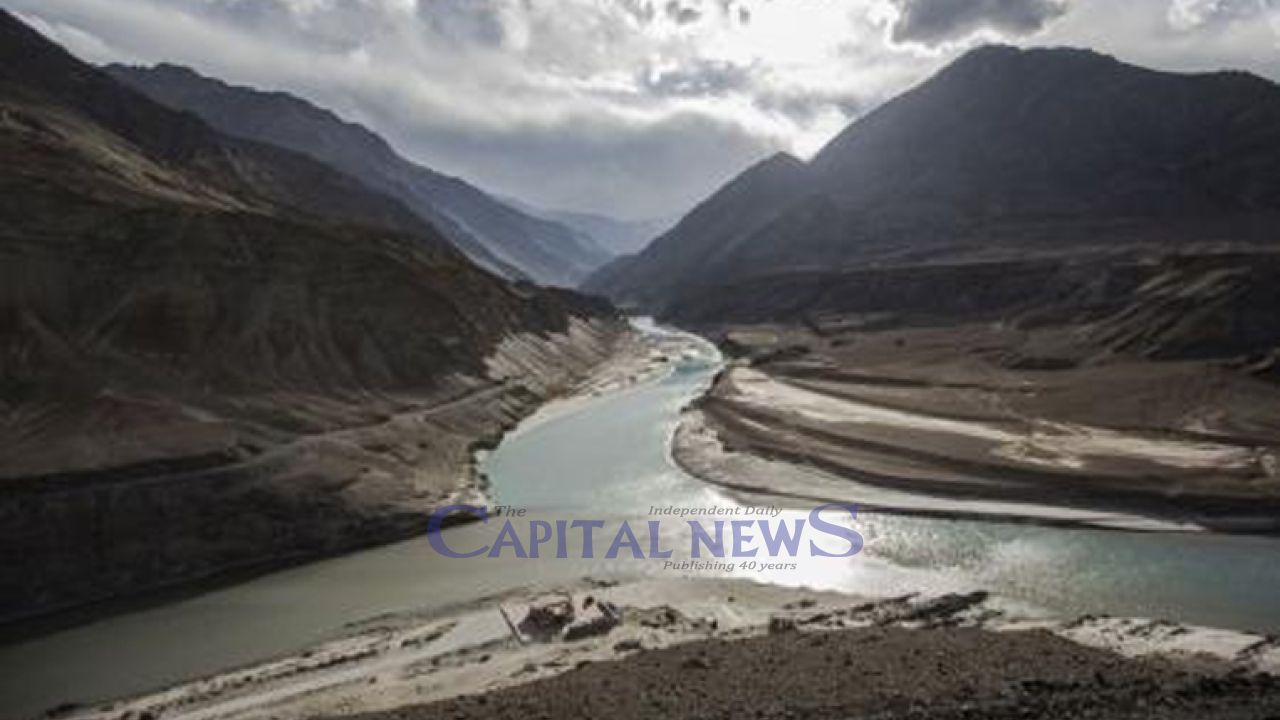
||
CN Desk: India's unilateral
suspension of the Indus Waters Treaty has endangered regional peace and
security. Apart from the fact that the move is in contravention of
international law, it has thrown to the wind the decorum of a good
neighborhood, as well as the rights of the lower riparian state. This
illegality of the Indian repudiation of the IWT necessitates a collective
response from the comity of nations - especially international arbitration
institutions - to ensure that water, as a fundamental right to life, is not
used as a weapon of coercion and terrorism. Thus, Pakistan's civil society,
jurisprudents, diplomats and legislators have – at an international seminar
held in Islamabad recently – rightfully called for censuring New Delhi and
making it abide by the conventions of peaceful coexistence.The way forward for
Pakistan is to properly sequence and calibrate all available lawfare options at
forums like the UNGA, the ICJ and the UNHRC. Islamabad's stance on the IWT,
however, has been seconded by World Bank President Ajay Banga, who termed
Delhi's move ultra vires, stating that the "treaty contains no provisions
for unilateral suspension or pause." Likewise, the Permanent Court of
Arbitration ruled that Islamabad's position regarding maximum pondage limits is
rational, and that the "current policy of India to construct hydroelectric
projects on the western rivers is illegal." With India found on the wrong
side of both law and ethics, it is time to flag its water terrorism and
subsequently raise the cost of non-compliance under international law.
All options must be
deployed to foil Indian attempts to starve Pakistan of its rightful share of
the Western Rivers. It needs to be pointed out that both the IWT and customary
international law point towards a cooperative sharing of river waters which, in
a climate change-induced environment of water scarcity, is the guarantor of
human security and peace in South Asia. Thus, India's water intransigence is
inhumane, callous and dangerous, to say the least. This unilateral modification
of watercourses is a precursor to collective ecological destruction in the
region.
© 2025 The Daily Capital News