The Daily Capital News

Afghan soil and the global challenge of terrorism

Afghan soil and the global challenge of terrorism

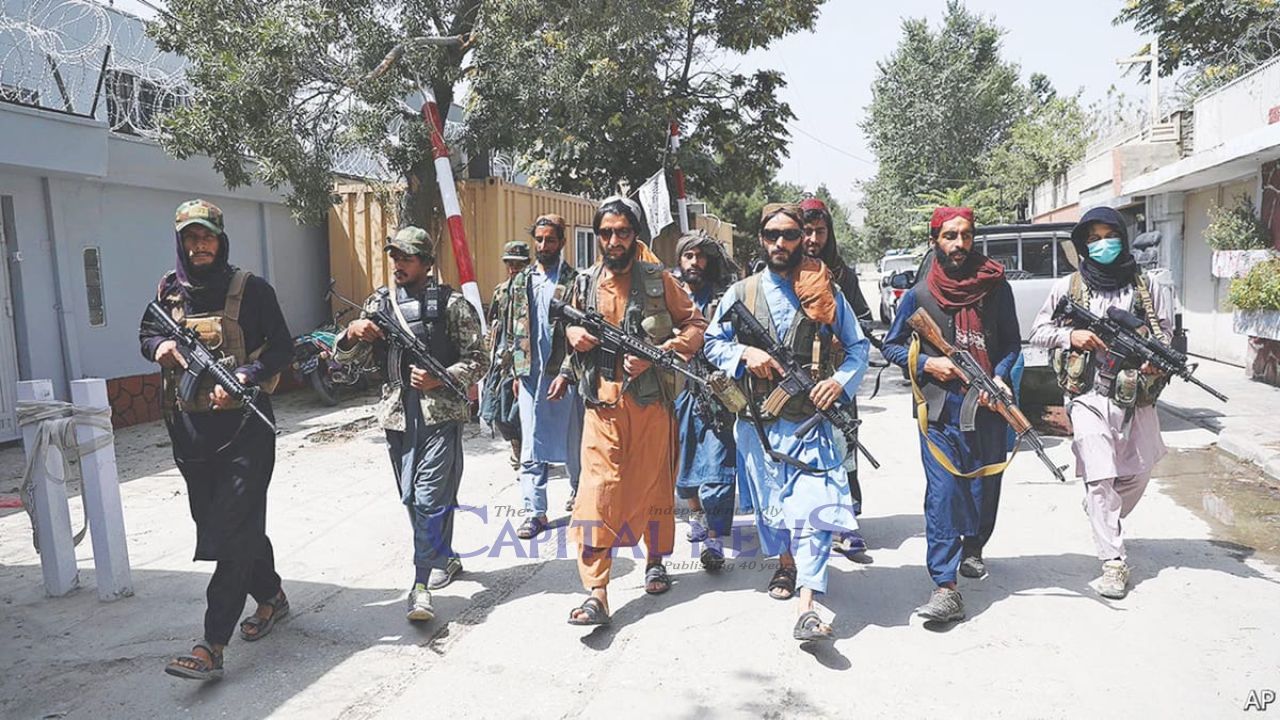
CN Desk: International security assessments have repeatedly highlighted the presence of multiple militant organizations within Afghanistan’s territory. Among these are factions affiliated with Tehrik-e-Taliban Pakistan, remnants of Al-Qaeda, and the increasingly active Islamic State Khorasan Province (ISKP). These groups have not confined their operational ambitions to Pakistan alone. Rather, their ideological outreach and operational networks extend across borders, posing potential risks to Central Asian republics, China, Russia, and other states concerned with the spread of extremist militancy.

Security authorities in Russia and several Central Asian countries have also issued warnings regarding the concentration of thousands of armed fighters linked to various extremist groups in Afghanistan. These concerns are not merely speculative. They are rooted in intelligence assessments suggesting that militant ecosystems in ungoverned or weakly governed spaces often evolve into hubs for recruitment, training, and cross-border operations. The implications of such developments are profound, particularly in a region already marked by fragile political and security dynamics.

The global experience of counterterrorism operations further underscores the complexity of confronting militant networks embedded within volatile environments. During the Iraq war, international human rights organizations reported that civilian casualties exceeded 200,000, with countless incidents of destruction affecting schools, residential areas, and public infrastructure. These tragic statistics reflect the harsh realities of modern conflict, where the distinction between combatants and civilians often becomes dangerously blurred in asymmetric warfare.

At the same time, Pakistan’s official position consistently emphasizes that the Afghan people are not adversaries but rather brothers bound by shared history, culture, and geography. Islamabad has repeatedly expressed its desire for a peaceful, stable, and economically integrated Afghanistan. The pursuit of counterterrorism objectives, therefore, is not directed against the Afghan populace but against militant entities that exploit ungoverned spaces to perpetuate violence.

Pakistan’s ongoing security measures should therefore be viewed within the context of this global struggle against terrorism. The objective is not confrontation but stabilization— eliminating militant sanctuaries, preventing cross-border violence, and fostering an environment where regional cooperation can replace cycles of insecurity. Only through coordinated international engagement, responsible governance, and sustained counterterrorism efforts can the vision of lasting peace in the region eventually be realized.

Subject : World

Write Your Opinion

The Daily Capital News

বুধবার, ১৮ মার্চ ২০২৬


Afghan soil and the global challenge of terrorism

Publish Date : 17 March 2026

featured Image
CN Desk: International security assessments have repeatedly highlighted the presence of multiple militant organizations within Afghanistan’s territory. Among these are factions affiliated with Tehrik-e-Taliban Pakistan, remnants of Al-Qaeda, and the increasingly active Islamic State Khorasan Province (ISKP). These groups have not confined their operational ambitions to Pakistan alone. Rather, their ideological outreach and operational networks extend across borders, posing potential risks to Central Asian republics, China, Russia, and other states concerned with the spread of extremist militancy.Security authorities in Russia and several Central Asian countries have also issued warnings regarding the concentration of thousands of armed fighters linked to various extremist groups in Afghanistan. These concerns are not merely speculative. They are rooted in intelligence assessments suggesting that militant ecosystems in ungoverned or weakly governed spaces often evolve into hubs for recruitment, training, and cross-border operations. The implications of such developments are profound, particularly in a region already marked by fragile political and security dynamics.The global experience of counterterrorism operations further underscores the complexity of confronting militant networks embedded within volatile environments. During the Iraq war, international human rights organizations reported that civilian casualties exceeded 200,000, with countless incidents of destruction affecting schools, residential areas, and public infrastructure. These tragic statistics reflect the harsh realities of modern conflict, where the distinction between combatants and civilians often becomes dangerously blurred in asymmetric warfare.At the same time, Pakistan’s official position consistently emphasizes that the Afghan people are not adversaries but rather brothers bound by shared history, culture, and geography. Islamabad has repeatedly expressed its desire for a peaceful, stable, and economically integrated Afghanistan. The pursuit of counterterrorism objectives, therefore, is not directed against the Afghan populace but against militant entities that exploit ungoverned spaces to perpetuate violence.Pakistan’s ongoing security measures should therefore be viewed within the context of this global struggle against terrorism. The objective is not confrontation but stabilization— eliminating militant sanctuaries, preventing cross-border violence, and fostering an environment where regional cooperation can replace cycles of insecurity. Only through coordinated international engagement, responsible governance, and sustained counterterrorism efforts can the vision of lasting peace in the region eventually be realized.

The Daily Capital News

Acting Editor: Md Alamgir Hossian
© 2025 The Daily Capital News