Call for common Friday Khutbah draws unprecedented response across IIOJK
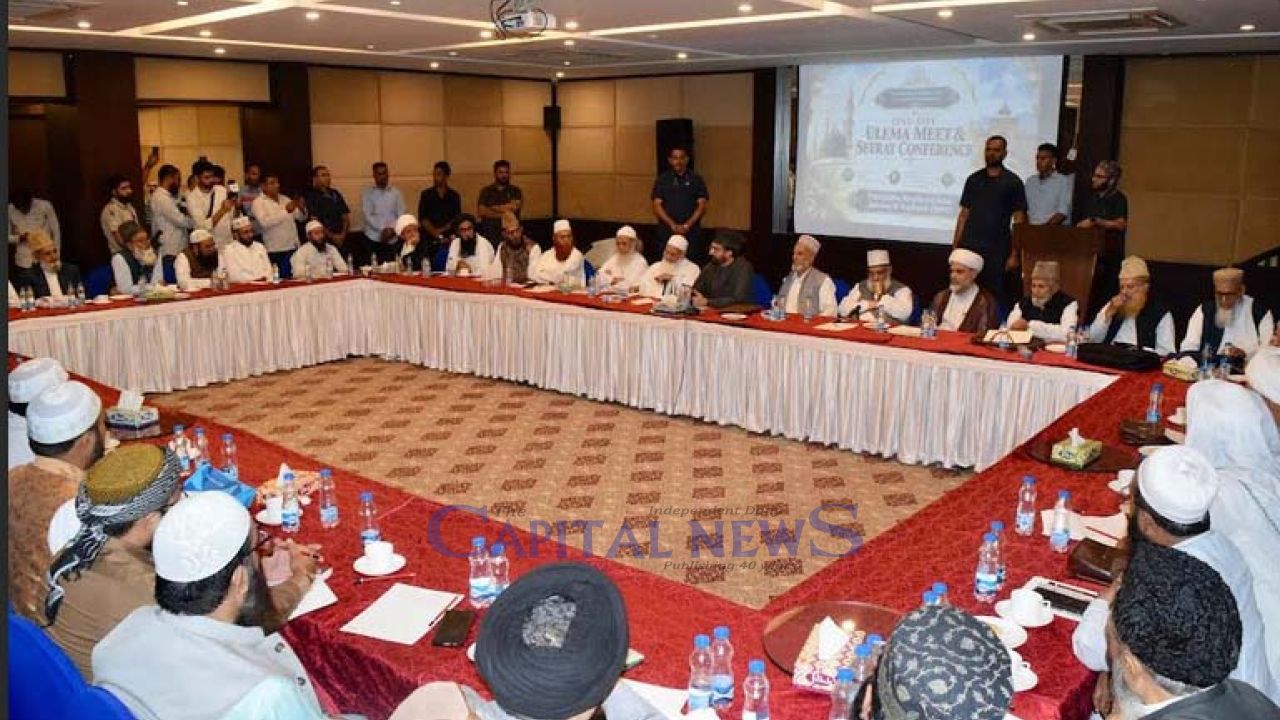
Online Desk: In a first-of-its-kind collective religious initiative, more than 70 major Friday congregations across Indian illegally occupied Jammu and Kashmir including Ladakh delivered a common sermon on Imaan (Faith), responding to the call of Mutahida Majlis-e-Ulema (MMU).According to Kashmir Media Service, the unified Khutbah was delivered on Friday, October 16, marking a historic display of religious unity, collective responsibility and respect for the independence of the pulpit. The initiative spanned all ten districts of the Kashmir Valley, besides Jammu, Rajouri, Poonch, Udhampur and the Chenab Valley districts of Doda, Kishtwar and Ramban, extending to Kargil, Drass and Leh in Ladakh.In an unprecedented show of solidarity, Ulema, Imams and Khateebs belonging to Hanafi, Jaffari, Ahl-e-Hadith, Barelvi and Deobandi schools of thought voluntarily joined the initiative. They conveyed a shared message on Imaan from their respective mosques, upholding the sanctity and independence of each platform.From major Jamia masjids and historic Khanqahs to Imambargahs, madrasas and other religious institutions, thousands of faithful across geographically distant regions heard the common message on the centrality of faith.The sermons emphasized that Imaan is the foundation of individual character, family life and the moral fabric of society. Ulema stressed that safeguarding faith and remaining steadfast on Islamic principles is a fundamental responsibility of every believer.Faith, they said, must be reflected through honesty, integrity and humaneness, and should never be compromised for worldly gain, position, personal interest or under pressure.The Khutbas also highlighted pressing challenges confronting the younger generation, including rising materialism, weakening religious awareness, moral confusion and misuse of social media. Parents, teachers, Ulema and religious institutions were urged to protect the faith of youth through knowledge, compassionate guidance and exemplary conduct.The initiative follows the resolutions adopted at the MMU’s Ulema Conference on September 15, where representatives of different schools of thought resolved to collectively address pressing religious and social concerns through designated Friday sermons, district-level engagements and sustained community awareness.In a statement, the MMU said the overwhelming response demonstrated exemplary cooperation among religious institutions despite differences of maslak and tradition, sending a powerful message of unity to the community.Expressing gratitude to all participating Ulema, Imams and Khateebs, the MMU said the initiative reflected a shared recognition that spiritual, moral and social challenges facing society require sustained collective efforts rather than isolated appeals.The MMU announced that the program would continue on designated Fridays, taking up issues outlined in the September meeting, including unity of the Ummah, drug abuse, suicide and mental health concerns, challenges faced by youth, responsible use of social media, family values and environmental protection.It reiterated that the objective is to translate the collective resolve of the Ulema into sustained public awareness, meaningful community engagement and practical grassroots action, with mosques, Imambargahs, madrasas and religious institutions playing an active role in bringing about change.Prominent participating congregations included:Srinagar: Markazi Jamoa Masjid Srinagar, Aasar-e-Sharief Dargah Hazratbal, Dargah Gousia Sarai Bala, Dastgeer Sahib Khanyar, Aali Masjid Eidgah, Masjid Tourist Centre, Darul Uloom Bilaliya, Darul Uloom Qasmiya, Hubbi Masjid Nowshahra, Bazm-e-Tawheed Ahl-e-Hadith Bazar Masjid, Mirza Kamil Hawal, Meerak Shah Sahib Shalimar, mosques affiliated with Jamiat Ahle Hadith, Masjid Gole Market Karan Nagar, Jamia Ashraf-ul-Uloom Hyderpora, Madrasa Sabeel-ul-Huda Bemina, Markazi Imambargah Zadibal, Imambargah Rainawari, Jamia Sajjadiya Chattabal and Imambargah Ayatullah Syed Yousuf Bemina.Budgam: Khanqah of Hazrat Sheikh Noor-ud-Din Noorani (RA) Charar-e-Sharief, Jamia Masjid Beerwah, Central Imambargah Budgam (Darul Mustafa) and Imambargahs associated with Anjuman-e-Sharie Shian,Ganderbal, Baramulla, Bandipora, Kupwara: Jamia Masjid Ganderbal, Kangan, Lar, Darul Uloom Naqshbandiya Rangil; Jamia Masjid Baramulla, Sopore, Kreeri Pattan, Khanqah Muradiya Pattan, Jamia Masjid Uri; Jaima Masjid Bandipora, Darul Uloom Rahimiyya; Jaima Masjid Kupwara and Handwara.South Kashmir: Jamia Masjid Islamabad, Bijbehara, Bilaliya Qazigund, Darul Uloom Syed-ul-Mursaleen Qazigund, Jamia Masjid Aishmuqam, Khanqah Hyderia Aishmuqam; Jamia Masjid Kulgam, Darul Uloom Kulgam, Jamia Masjid Simnani; Jamia Masjid Pulwama, Khanqah Faiz Panah Tral, Jamia Masjid Pampore; Markazi Jamia Masjid Shopian and Jaima Masjid Pinjoora.Jammu region: Central Jamia Masjid Jammu, Makka Masjid Bhatindi, Jamia Masjid Gujjar Nagar, Jamia Masjid Rajouri, Jamia Masjid Poonch, Jamia Zia-ul-Uloom Poonch, Jamia Masjid Udhampur; and in Chenab Valley – Jamia Masjid Doda, Bhaderwah, Kishtwar, Marwah, Dachhan, Batote, Thathri and Ramban.Ladakh: Jamia Masjid Kargil, Imambargah Kargil, Jamia Masjid Drass and Markazi Jamia Masjid Leh, besides other mosques and Imambargahs.TheMMU termed the successful first coordinated Friday sermon an important example of voluntary religious cooperation, mutual respect and collective responsibility among different regions and schools of thought.