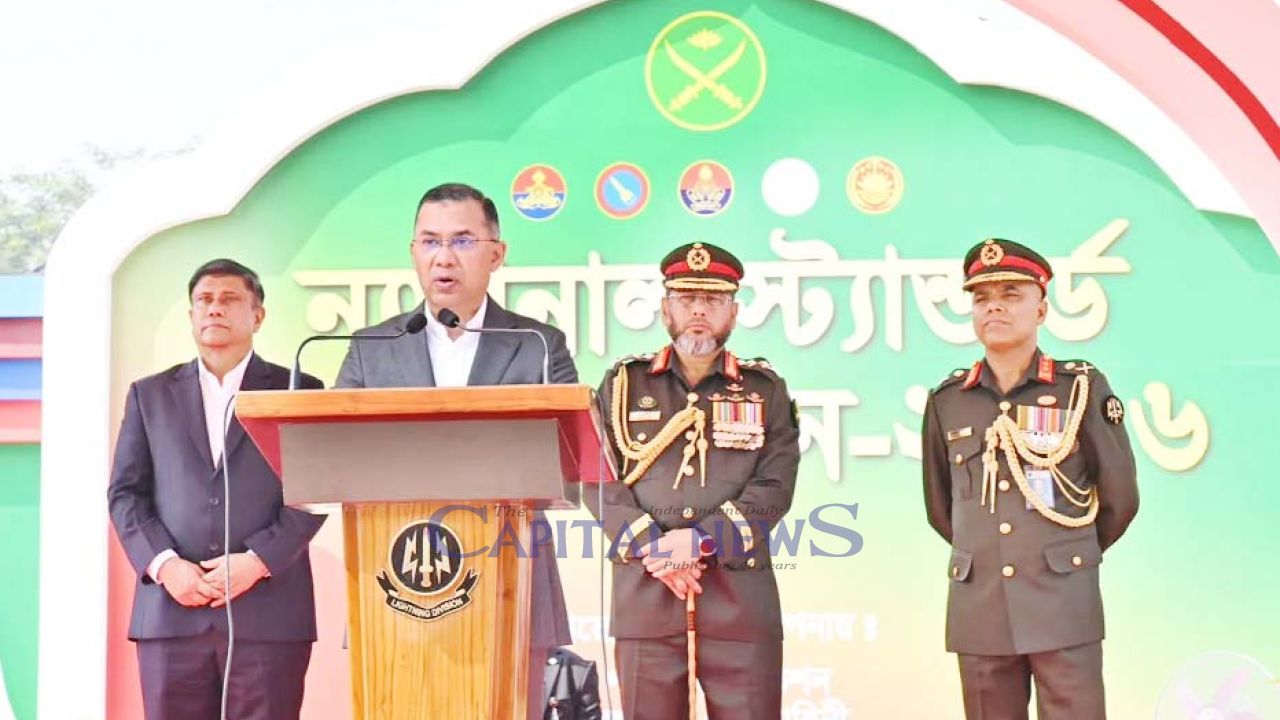
Staff Correspondent: Prime Minister Tarique Rahman has extended his heartfelt greetings and congratulations to the people of the country as well as all Bangla speaking communities across the world on the occasion of Pahela Boishakh, welcoming the Bangla New Year 1433.In a message marking the day, the Prime Minister said that Pahela Boishakh, the first day of the Bangla calendar, represents the nation's history, culture and a unique symbol of self identity. He noted that for centuries, the day has returned every year with a call for renewal, inspiring people to leave behind past burdens and move forward with fresh hopes and aspirations.He said that Pahela Boishakh has a deep connection with the region's agriculture, nature and agrarian economic activities. Even in this era of advanced information technology, farmers still determine their cultivation schedules in harmony with nature, said a PID handout.Highlighting the rich traditions associated with the festival, the Prime Minister said that events like Boishakhi fairs, Boishakhi Shobhajatra, and Halkhata reflect the diversity and beauty of Bangladeshi culture and strengthen social unity.The Prime Minister said the Bangla New Year brings new expectations and possibilities, while the rejuvenation of nature combined with human optimism creates a vibrant festive atmosphere.Referring to the political context, he said that following the end of "one and a half decades of fascist rule," a new democratic government began its journey after winning the national election held on February 12. Since assuming office, the government has initiated various programs aimed at improving the living standards of people from all walks of life.As part of implementing the election pledges, he mentioned that several initiatives have already been launched, including Family Card, Sports Card, canal excavation programmes, and financial assistance for imams, muazzins, khatibs, and religious leaders of other faiths.He added that starting from the first day of the Bangla New Year, the government is introducing the Farmer Card programme, which is expected to play a transformative role for Bangladesh's farmers, agriculture and agricultural economy in the coming days.Expressing hope for the future, the Prime Minister said that the people's practice of religious and social values-marked by tolerance, generosity and harmony-will further strengthen democracy and coexistence of diverse opinions.He also noted that the world is currently facing multiple crises and conflicts, making the practice of peace, empathy and mutual respect more important than ever.On this auspicious occasion, Tarique Rahman called upon everyone to rise above narrowness and self-interest and to commit themselves to the welfare of humanity.The Prime Minister also expressed his firm resolve to move forward with fresh zeal in the first dawn of the Bangla New Year overcoming the disappointments and limitations of the past as well as expressed optimism that the new year would bring happiness, peace and prosperity to all.
Special Correspondent: Pakistan has sent
fighter jets and other military forces to Saudi Arabia to boost security under
a defence pact between the two countries, the kingdom's defence ministry. In
September 2025, Pakistan and Saudi Arabia signed a landmark “Strategic Mutual
Defence Agreement”, declaring that “any aggression against either country shall
be considered an aggression against both”. The pact was signed during Prime
Minister Shehbaz Sharif’s visit to Riyadh at the invitation of Saudi Crown
Prince and Prime Minister Mohammed bin Salman bin Abdulaziz Al Saud.Saudi Arabia's defence
ministry said in a statement today that Pakistani fighter jets and support
aircraft had arrived at the King Abdulaziz Air Base in the country's Eastern
Province. “The Pakistani force consists of fighter and support aircraft
belonging to the Pakistan Air Force, with the aim of enhancing joint military
coordination,” the statement said, adding that it would raise the level of
operational readiness between the armed forces of the two countries and support
security and stability at both regional and international levels.Riyadh and Islamabad
signed the mutual defence pact in September 2025, committing both sides to
treat any aggression against either country as an attack on both. That
significantly deepened a decades-old security partnership. Pakistan has long
provided military support to the kingdom, including training and advisory
deployments, while Saudi Arabia has repeatedly stepped in to support Pakistan
financially during periods of economic stress.The development came a
day after Riyadh assured Islamabad of full financial support to address issues
stemming from the Middle East conflict, during Prime Minister Shehbaz Sharif’s
meeting with Saudi Finance Minister Mohammed bin Abdullah Al-Jadaan on Friday.Government officials
said the visiting finance minister assured his country’s full financial support
to Pakistan and reiterated the kingdom’s trust in Islamabad’s role in mediating
talks between the United States and Iran.
In 2018, Riyadh
announced a $6 billion support package for Pakistan, including a $3b deposit at
the central bank and $3b worth of oil supplies on deferred payment.
MM Rahmatullah: Information and Broadcasting Minister Zahir Uddin Swapon has said that ensuring citizens’ right to information remains a top priority of the government, alongside safeguarding people from misinformation and disinformation.Speaking at a view-exchange meeting with members of the core group of the Right to Information Forum held at the ministry’s meeting room at the Secretariat on Monday morning, the minister stressed that free flow of information must be balanced with accountability mechanisms to prevent the spread of false or misleading content.“However, apart from ensuring free flow of information, it is equally important to protect the people by preventing the spread of misinformation and disinformation,” he said, adding that growing information access has also been accompanied by rising challenges of misinformation.He noted that the suspension of the Right to Information (Amendment) Ordinance in the Jatiya Sangsad was linked to specific considerations, and emphasized that an effective legal framework would be developed by incorporating feedback from stakeholders.“The more information, the more truth—for this reason, it is very important to ensure the free flow of information. At the same time, we must also decide how to protect the institutional character of the Information Commission,” he added.The minister also called for stronger fact-checking and screening mechanisms and sought constructive recommendations from stakeholders for amending the Right to Information Act. He assured that all relevant parties would be involved in the law-making process.State Minister for Information and Broadcasting Yeaser Khan Choudhury attended the meeting as a special guest.Representatives from civil society and rights organizations also took part in the discussion, including Executive Director of Transparency International Bangladesh Iftekharuzzaman, SHUJAN Secretary Badiul Alam Majumder, Information Secretary Mahbuba Farjana, and MRDI Executive Director Hasibur Rahman Mukur, among others.They presented a range of reform proposals aimed at strengthening the Right to Information Act and ensuring the free flow of reliable information in the country.
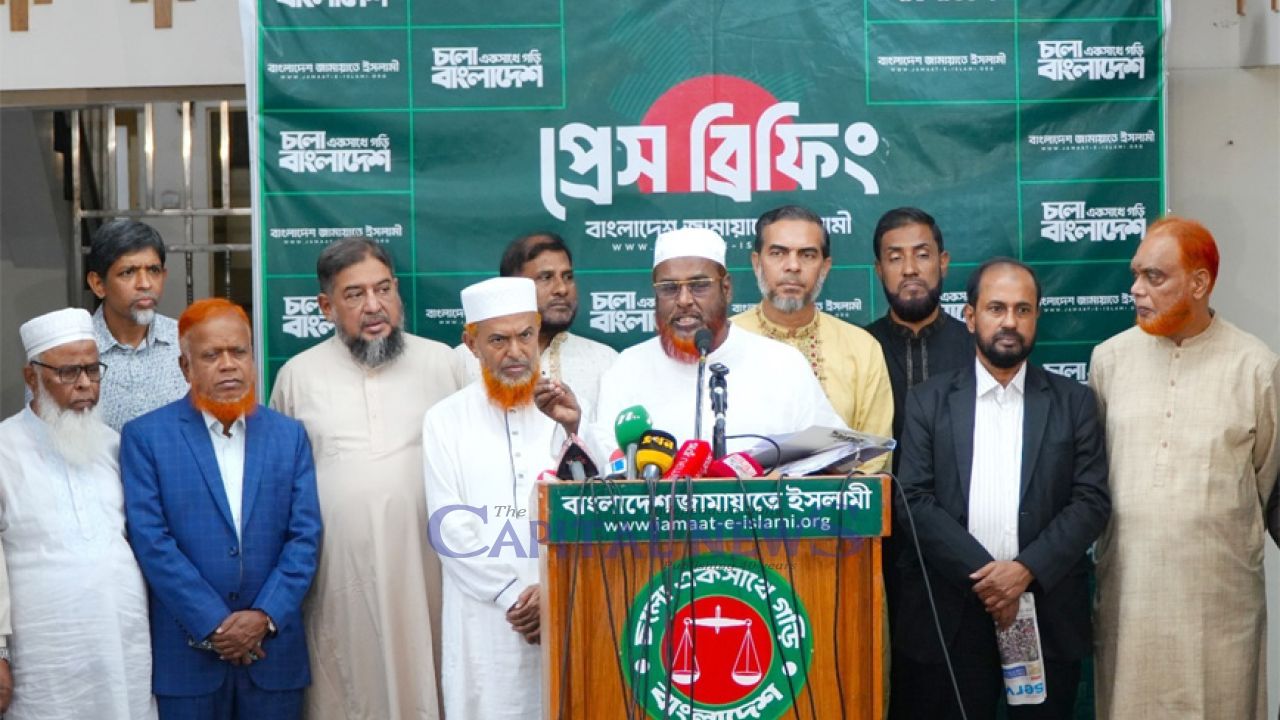
Parliament Correspondent: The Leader of the Opposition and Ameer of Bangladesh Jamaat-e-Islami, Dr. Shafiqur Rahman, on Friday accused the ruling Bangladesh Nationalist Party (BNP) of pursuing a “deceptive strategy to destroy everything,” announcing that the opposition has lost all confidence in the government following a dramatic walkout from parliament.Speaking at a press conference at the parliament media center after a chaotic end to the legislative session, Dr. Shafiqur said the opposition withdrew to avoid falling into what he described as a “trap of deceit,” alleging that a prior political consensus on interim government ordinances had been violated.“We told them directly, ‘You have broken your promise. We have no faith in you,’” he said, outlining the sequence of events that led to the opposition’s first major protest in the 13th parliament.According to the opposition leader, a special parliamentary committee comprising members from both treasury and opposition benches had reviewed 133 interim government ordinances. A consensus had reportedly been reached to pass 98 of them without amendments. However, Dr. Shafiqur alleged that the ruling party finalized the committee’s report unilaterally, without holding a final joint, triggering a breakdown in trust.He further claimed that despite initial attempts by the government to sideline key ordinances, the opposition successfully pushed in the Business Advisory Committee to ensure that all 133 ordinances would be discussed. The opposition had even agreed to work extended hours, including a holiday session until midnight, to meet constitutional deadlines.“But what happened yesterday?” he asked. “Critical issues related to national security and citizens’ lives were ignored and placed on a list to lapse.”The controversy deepened over the passage of the July Mass Uprising Memorial Museum Bill. Dr. Shafiqur said there had been unanimous agreement to pass the bill unchanged, as originally drafted in the ordinance. However, he alleged that a ruling party lawmaker unexpectedly introduced three amendments during the session, which were passed without prior notice or discussion.“This was a clear attempt to politicize the museum,” he said, adding that some government members argued openly that such an institution could not function without ruling party control.He also accused the Speaker of ignoring opposition Leader during the proceedings.In a strongly worded statement, Dr. Shafiqur alleged that the government deliberately allowed several importanceordinances—covering the Anti-Corruption Commission, Police Reform Commission, and enforced disappearances—to expire.“These institutions were central to establishing authoritarian rule and enabling widespread abuses,” he said. “They are allowing reforms to lapse while pushing forward only those measures that consolidate power.”Questioning the legitimacy of the February election, the Jamaat leader cited remarks by both a former interim government adviser and a current state minister, alleging that the outcome had been predetermined.“If decisions were made elsewhere, then what kind of election was this?” he asked. “It suggests the nation was blackmailed and the result decided behind closed doors.”Dr. Shafiqur concluded by pledging to continue the movement outside parliament. “We did not get justice in parliament, but, God willing, we will achieve it with the people,” he said, adding that his party was prepared for “any sacrifice” to secure citizens’ rights.When asked about the government’s assurance that the lapsed ordinances would be reintroduced in the next session, he expressed skepticism. “We do not believe them. They have already broken their promises,” he said.The press conference was attended by Opposition Chief Whip Nahid Islam and other senior leaders from Jamaat-e-Islami and allied opposition parties.
Press Release: Leading e-commerce
platform Daraz Bangladesh has announced the launch of its much-anticipated
“Daraz Boishakhi Mela,” offering discounts of up to 80% to mark the upcoming
Pohela Boishakh.The nationwide online
shopping campaign will run from 8:00 PM on April 10 through April 14, bringing
a wide array of festive deals, flash sales, and exclusive brand promotions to
customers celebrating the Bangla New Year 1433.According to Daraz, the
campaign will feature significant price reductions across multiple categories,
including electronics, home appliances, fashion, beauty and wellness, FMCG, and
lifestyle products. Customers will also benefit from free delivery on selected
items and additional shipping discounts.The event will kick off
with limited-time flash vouchers available between 8:00 PM and 1:00 AM on April
10. Shoppers can avail discounts of up to 9%, with vouchers worth up to Tk 500
on minimum purchases of Tk 749, and up to Tk 1,000 on orders above Tk 5,999.
Additional vouchers and category-based offers will be released throughout the
campaign period.Daraz will also host
themed shopping days to enhance the customer experience. “Choice Day Saturday,”
“Fashion Forward Sunday and Monday,” and “Electrical Tuesday” will provide
targeted deals across specific product segments.As part of the
promotion, exclusive “Super Brand Days” will be held in collaboration with
major brands. Unilever Bangladesh Limited will feature on April 12, followed by
Dettol on April 14, offering special discounts on a range of products.To further attract
customers, Daraz has introduced bulk purchase incentives under its “Daraz
Choice” channel, including “Buy 3” and “Buy 5 Get 1 Free” offers with delivery
discounts.The campaign also
includes several financial partnerships aimed at easing payment options. Users
of Nagad can receive cashback of up to Tk 200. Cardholders of Eastern Bank
Limited will enjoy up to 15% savings on co-branded cards and up to 12% on
regular cards, while Southeast Bank Limited cardholders can also avail up to
12% discounts. Additionally, customers will have access to 0% EMI facilities
for up to 12 months through Eastern Bank ZIP.This year’s Boishakhi
Mela is supported by several prominent partners. Alongside Dettol and Unilever,
brands such as Haier and Himalaya have joined as Exclusive Platinum Partners.
Marico is participating as a Gold Sponsor, while Emami and Godrej have come on
board as Silver Partners.With a combination of
steep discounts, brand collaborations, and flexible payment options, Daraz aims
to provide a convenient and festive shopping experience for customers across
Bangladesh as they prepare to celebrate the Bengali New Year.
Customers can access
the offers through the Daraz website or mobile application for real-time
updates on deals and promotions.
Special Correspondent: The Sri Lanka Tourism
Promotion Bureau (SLTPB) successfully hosted a "B2B Roadshow and
Networking Event" at a premier hotel in Dhaka on Monday, aiming to bolster
tourism cooperation between Sri Lanka and Bangladesh. The primary objective of
the event was to solidify business relationships between the tourism
stakeholders of both nations.The event was graced by
Nuzhat Yasmin, CEO of the Bangladesh Tourism Board, as the Chief Guest. In her
address, she emphasized the importance of regional cooperation, stating that
this partnership would open new horizons for sustainable tourism and cultural
exchange. His Excellency Dharmapala Weerakkody, the Sri Lankan High
Commissioner to Bangladesh, remarked that Sri Lanka’s natural beauty and
hospitality have always been a major draw for Bangladeshi travelers.Buddhika Hewasam,
Chairman of the Sri Lanka Tourism Promotion Bureau, highlighted Sri Lanka as a
safe and diverse destination. He announced that special travel packages for
Bangladeshi tourists and joint promotional efforts with local operators are
currently underway. Furthermore, Fawzan Fareid, Regional Manager of Sri Lankan
Airlines, noted that travel has been made more accessible through enhanced air
connectivity and competitive pricing.Industry leaders, including
Mohammad Rafeuzzaman, President of TOAB (Tour Operators Association of
Bangladesh), and Syed Golam Mohammad, President of BOATA (Bangladesh Outbound
Tour Operators Association), expressed keen interest in expanding outbound
tourism to Sri Lanka. During the B2B sessions, representatives from both
countries discussed joint tour packages and market expansion strategies. The
event concluded with a networking dinner.Other notable attendees
included Khairul Bashar, Sales and Marketing Manager of FitsAir (Bangladesh
Region), among other industry professionals.
This roadshow follows
the Media Session held on April 5, reaffirming Sri Lanka’s commitment to
establishing itself as an affordable and top-tier travel destination for
Bangladeshi tourists.
Parliament Correspondent: Prime Minister (PM) Tarique Rahman told parliament on Wednesday that his administration considers families rather than individuals as the core building blocks of national development, outlining an ambitious social protection initiative targeting four crore households nationwide.Responding to questions in the Jatiya Sangsad, the BNP chairman and government leader articulated his party's governing philosophy emphasizing family units as fundamental development targets rather than focusing on individual citizens. The Prime Minister explained that the Family Card program emerged from this family-centric vision designed to establish comprehensive social security coverage for citizens through household-level intervention. Tarique detailed that initial implementation occurred March 10, 2026, when authorities distributed Family Cards to 37,814 households across ten districts and three city corporations as the program's pilot phase.In a separate response to parliamentary questions, Tarique affirmed his government's dedication to advancing women's educational opportunities, empowerment, and equal access to learning institutions at all levels.The Prime Minister announced that authorities are actively considering nationalizing one women's college in every upazila headquarters to advance gender equity objectives in education.Ekramul Bari Tipu, representing Naogaon-4 constituency from the government benches, raised the query regarding women's education policies that prompted this response.Directly addressing the Naogaon legislator, Tarique indicated the government would pursue gradual nationalization of qualifying educational facilities including Manda Thana Adarsha Girls' School and College in Naogaon district, subject to compliance with established policies and availability of necessary budgetary allocations.The announcements signal the administration's strategic pivot toward household-based welfare delivery mechanisms while simultaneously prioritizing gender-focused educational expansion as core policy priorities during the current parliamentary term.Earlier, in another response to Sirajganj-1 constituency lawmaker Md Salim Reza, PM informed the Jatiya Sangsad (JS) that the government is implementing short, medium, and long-term plans by identifying 43 key areas in the education sector, aiming to increase budget allocation to 5 percent of GDP in the sector.He said that the current democratic government considers education as the best investment for the nation and remains committed to building a quality, life-oriented, and inclusive education system. He also said that the government's election manifesto outlined a plan to gradually increase allocation for education to 5 percent of GDP."In line with that target, the government is implementing short, medium and long-term plans after identifying 43 areas in the education sector," the Leader of the House said, adding that special importance has been given to improve the quality of primary education in the manifesto. As part of the government initiatives, free school uniforms will be distributed among 200,000 primary school students across the country within the current fiscal, he said, adding, the government has a plan to expand this initiative in all upazilas across the country gradually. To meet the nutritional needs of primary school students, the Prime Minister said there is a plan to provide school feeding/mid-day meals in all upazilas in phases.Highlighting the government's plans for the education sector, Tarique Rahman said that as per the election pledges, multimedia classrooms will be set up in all primary, secondary, and equivalent educational institutions to prepare the new generation for global competition. To reduce digital disparity, he said, initiatives are underway to provide free Wi-Fi connectivity in 1,500 institutions (secondary schools, colleges, and universities) and a unique digital identity or 'Edu-ID' for every student and teacher.Noting that the ruling party has made commitments in its election manifesto to make technical education mandatory for all alongside general education at the secondary level, the premier said his government has plans to gradually establish technical schools and colleges in every upazila and polytechnic institutes in every district.Apart from making the technical and madrasah education modernized, Tarique Rahman said within the next 180 days, free Wi-Fi will be launched in 2,336 technical institutions and 8,232 madrasahs.To make the madrasah education modernized and time-befitting, he said, smart classrooms will be established, training will be provided to enhance the skills of teachers, and technical courses will be included in madrasah education.The Leader of the House said under the ICT Division's Bangladesh Computer Council, initiatives have been taken to provide training to students within the next six months in areas such as artificial intelligence, cyber-security, mobile app development and design using Flutter, Python programming, and web-based digital marketing.Looking ahead, the government plans phased expansion to eventually encompass approximately 40 million marginalized and low-income families throughout the country, representing a massive scaling of social assistance infrastructure. Addressing the specific constituency of Noakhali-1 covering Chatkhil and Sonaimuri upazilas, the Prime Minister expressed optimism that women from economically disadvantaged families in those areas would soon receive Family Card benefits aimed at fostering empowerment and economic independence.
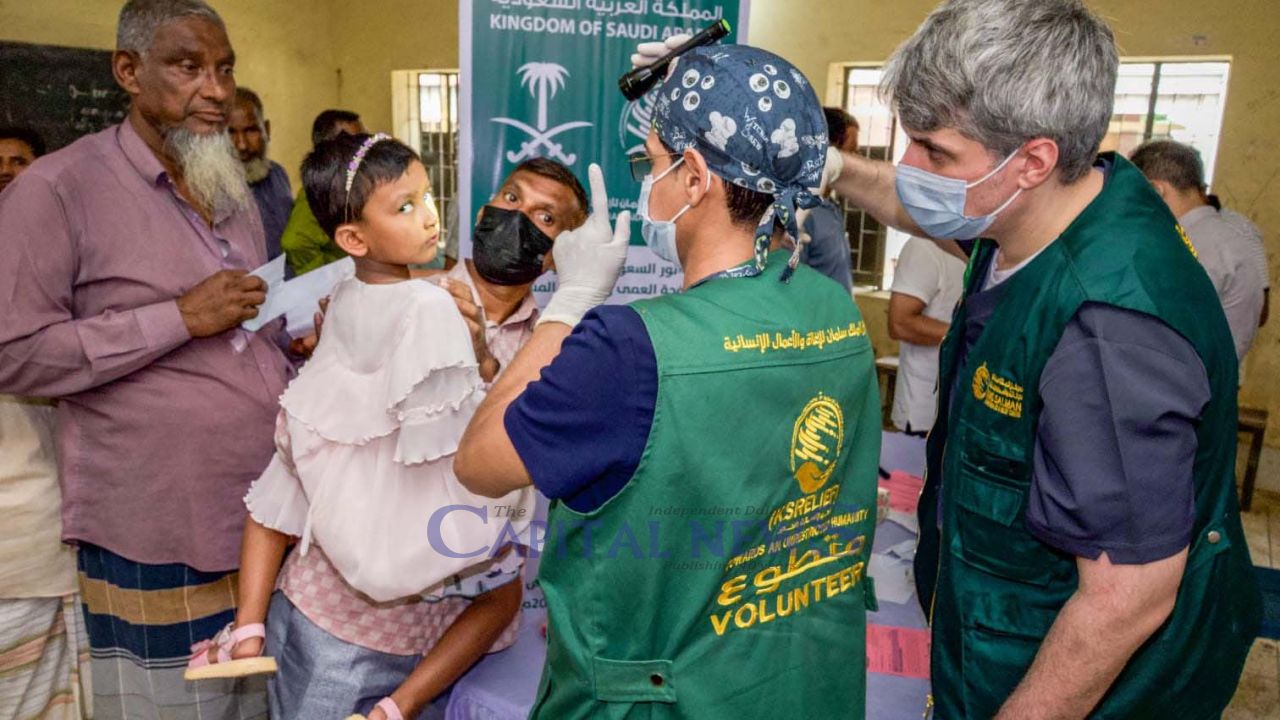
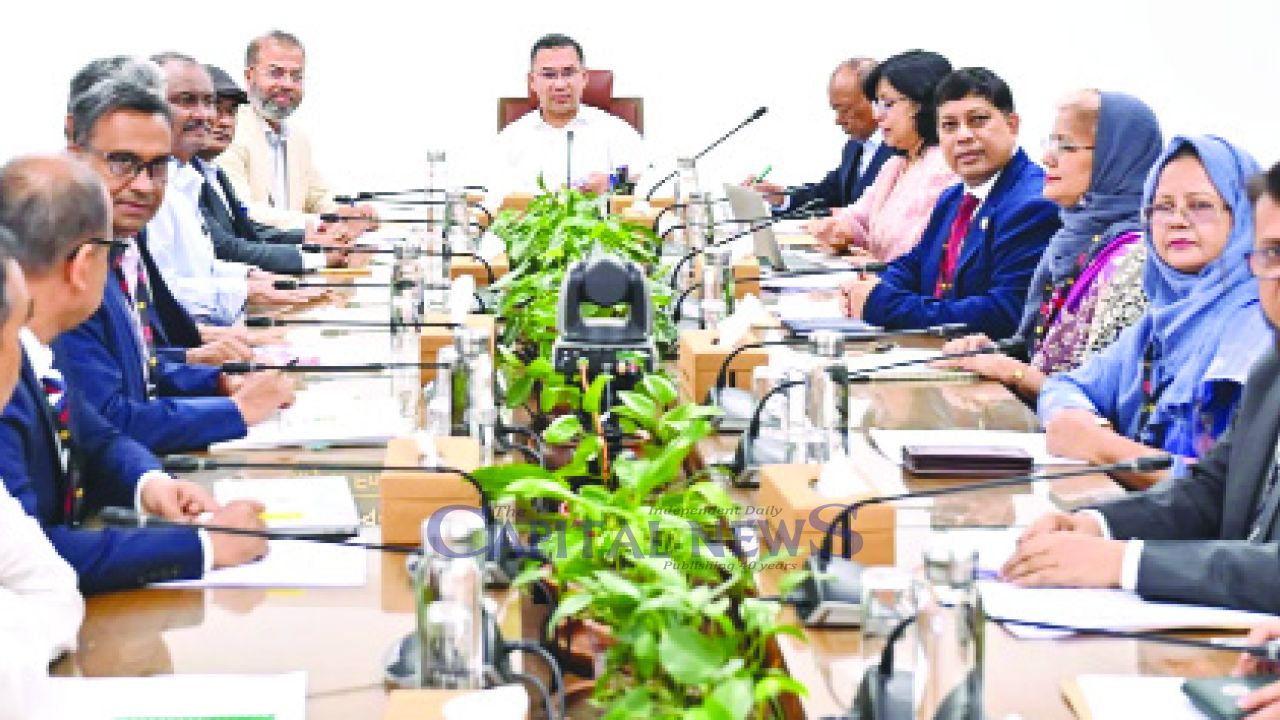
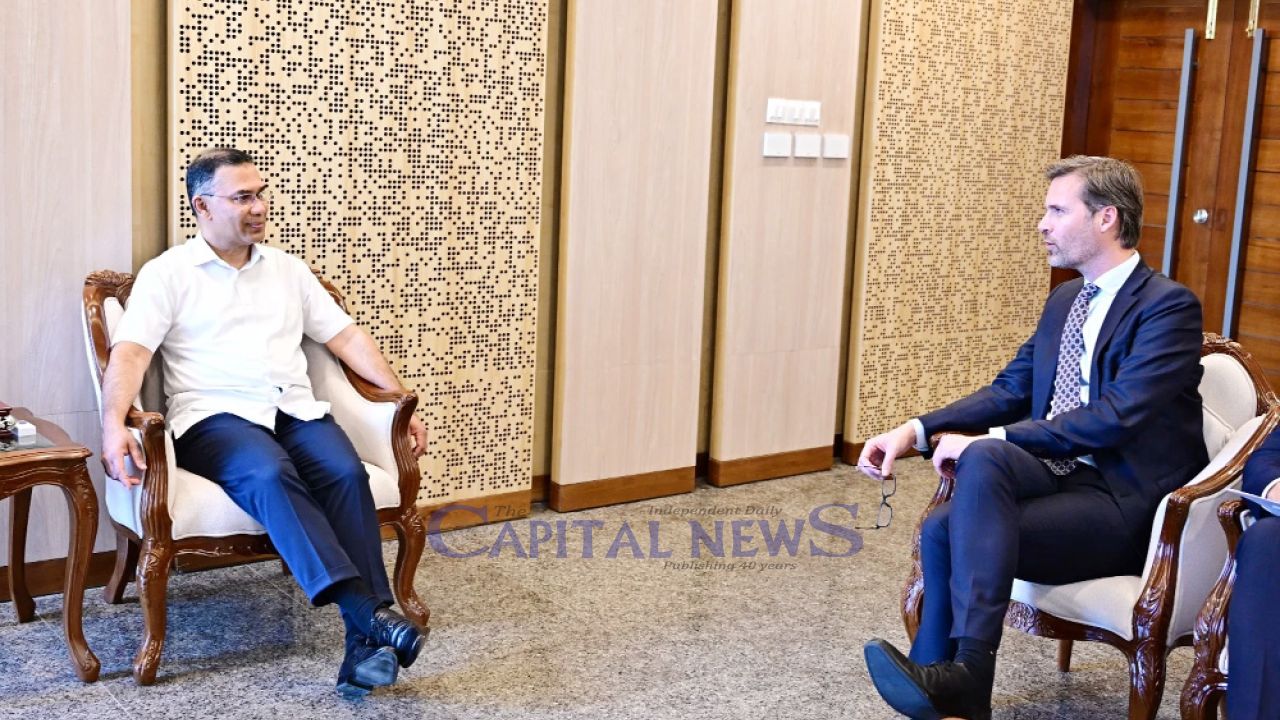
Diplomatic Correspondent: Bangladesh is set to strengthen its international economic partnerships as Saudi Arabia and the United Kingdom expressed strong interest in deepening cooperation in strategic sectors, including ports, industry, trade, and investment.Saudi Ambassador to Bangladesh, Dr. Abdullah Zafer H. bin Abiyah, met with Industries Minister Khandaker Abdul Muktadir at his office yesterday to discuss enhancing bilateral collaboration. The discussions focused on the development of seaports, modernization of the shipping sector, expansion of bilateral trade, and investment opportunities across various industrial domains.Highlighting Bangladesh’s investment-friendly climate, Minister Muktadir emphasized the pivotal role of infrastructure in economic growth. He singled out the Matarbari Project as a strategic priority, underscoring its importance for maritime and economic ambitions. "The government is prioritizing the development of port infrastructure as a fundamental driver of national economic progress," he said.Ambassador Dr. Abdullah Zafer praised the ongoing development initiatives and expressed optimism about future bilateral ties, noting Saudi Arabia’s keen interest in Bangladesh’s port and logistics sectors. Both officials acknowledged the strong friendship between the two nations and expressed confidence that cooperation would continue to expand.The meeting included Industries Secretary Md. Obaidur Rahman and other senior officials from the Ministry of Industries, along with representatives from the Saudi Arabian Embassy in Dhaka.In a separate development, Bangladesh and the United Kingdom agreed to reactivate their bilateral Trade and Investment Dialogue, aimed at consolidating economic ties and exploring new avenues for strategic cooperation. The agreement followed a high-level meeting between Commerce Minister Khandaker Abdul Muktadir and UK Trade Envoy Baroness Rosie Winterton.The dialogue will focus on strengthening trade relations, increasing investment flows, and fostering long-term economic development. Minister Muktadir highlighted government initiatives to modernize the economy, improve the investment climate, and facilitate global trade integration. Baroness Winterton praised Bangladesh’s reforms and emphasized the importance of diversifying the country’s exports beyond the traditional ready-made garments sector, highlighting processed foods, marine products, light engineering goods, and leather products as high-potential areas.The UK also encouraged Bangladesh to utilize around £2 billion in export credit through UK Export Finance to stimulate investment in infrastructure and priority sectors. Both sides expressed optimism that the reactivated dialogue would foster a more robust and mutually beneficial partnership in the years ahead.The meeting was attended by British High Commissioner Sarah Cooke, Commerce Secretary Mahbubur Rahman, Additional Secretary (Export) Abdur Rahim Khan, and senior members of the UK delegation.