The Daily Capital News

Architect of Bangladesh's transformation: Martyr president Ziaur Rahman

Architect of Bangladesh's transformation: Martyr president Ziaur Rahman

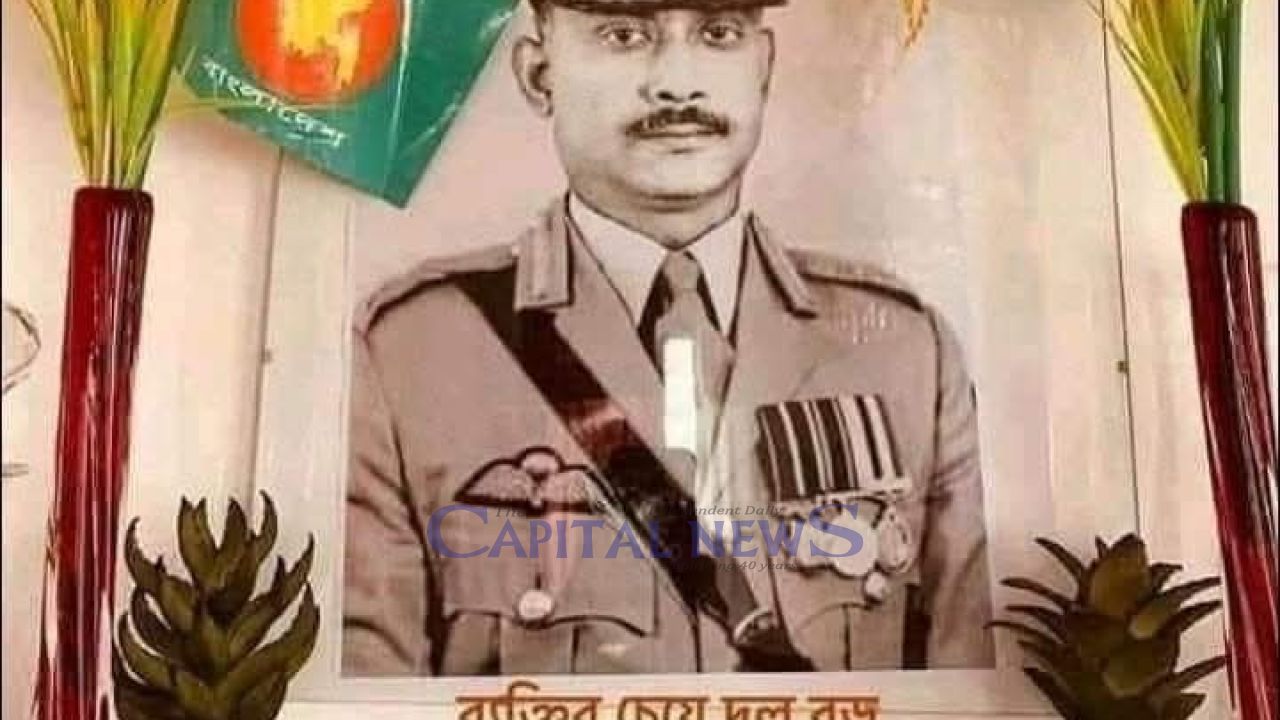
Md. Mukhlesur Rahman: When examining the history of state-building, political development, and economic transformation of Bangladesh, certain figures stand out whose contributions extend far beyond a specific era and have deeply influenced the nation’s long-term trajectory. Martyr President Ziaur Rahman is one such statesman whose leadership, vision, and policy direction played a significant role in shaping post-independence Bangladesh. For his supporters, he is not merely a political leader but a symbol of independence, sovereignty, self-reliance, and national dignity.

The early years of Bangladesh were marked by instability, uncertainty, and the harsh reality of devastation. After the Liberation War, the country faced numerous challenges including a war-torn economy, weak administrative structures, food shortages, political divisions, and limited international recognition. It was in this context that Ziaur Rahman emerged as a military officer, freedom fighter, and later as a statesman.

His role in the Liberation War remains particularly significant in the history of Bangladesh. As a sector commander and the commander of the Z Force, he led forces in direct combat and was awarded the title of “Bir Uttom” in recognition of his bravery. His declaration of independence at the early stage of the war played an important role in sending a message of resistance both domestically and internationally.

One of the most widely discussed contributions of Ziaur Rahman in state governance was the restoration of political pluralism. After the experience of a one-party system following independence, he created space for multi-party political activities and expanded political participation. During his rule, the scope of political expression widened and efforts were undertaken to rebuild democratic institutions. Although critics have raised questions about certain aspects of his regime, his contribution to Bangladesh’s democratic journey is still regarded as a historic milestone.

A central pillar of Ziaur Rahman’s political philosophy was “Bangladeshi nationalism.” Through this concept, he attempted to redefine the identity of the state based on territory, sovereignty, independence, and citizenship. This ideology strengthened national unity and promoted the idea of equal rights for all citizens beyond religious, ethnic, and social identities.

In the economic sphere, his contributions were far-reaching. Moving away from a state-controlled economic model in the post-independence period, he emphasized the development of the private sector, increased investment, entrepreneurship, and a production-oriented economy. The policy shifts initiated during his time in agriculture, industry, and trade laid the foundation for Bangladesh’s later economic growth.

Particularly notable was his emphasis on the rural economy. Through increased agricultural production, expansion of irrigation systems, ensuring food security, and encouraging farmers in productive activities, he sought to strengthen the foundation of food self-sufficiency. In addition, programs such as canal excavation, tree plantation, and rural infrastructure development created new models of grassroots development.

Today, one of the most important drivers of Bangladesh’s economy is remittance income. His government’s initiatives in deploying skilled and unskilled labor to the Middle East and other regions opened new avenues for foreign currency earnings. The impact of those policy decisions is clearly visible in today’s remittance-dependent economy.

Ziaur Rahman also placed special importance on strengthening local government systems. He believed that decentralization of power and resources was essential to ensure that development benefits reached the grassroots. As a result, various initiatives were undertaken to activate rural development and local administration.

His outlook on women and youth development was also progressive. By establishing separate administrative frameworks and policy support for women and young people, he attempted to integrate new social forces into the development process. His initiatives in education, skills development, and employment also had long-term positive impacts.

In foreign policy, he adopted a pragmatic and balanced approach. By maintaining strong relations with the Muslim world, Western countries, and regional powers, he sought to strengthen Bangladesh’s international position. His initiatives toward regional cooperation in South Asia later contributed to the foundation of SAARC.

However, the evaluation of a statesman is not limited to achievements alone; it must also include the limitations and controversies of his time. The era of Ziaur Rahman’s rule is also subject to various debates and questions, which remain topics of discussion among historians and researchers. In a democratic society, open discussion of such debates enriches historiography and leads to a more objective evaluation of statesmen.

Even after more than four decades, Ziaur Rahman remains relevant in discussions on politics, economy, and national identity in Bangladesh. He is not only the founder of a political party but also an important chapter in the history of post-independence reconstruction and transformation. While opinions about his work and ideology may differ, his name inevitably appears in discussions of modern state formation in Bangladesh.

In history, some leaders transcend their time and become part of national memory. Martyr President Ziaur Rahman belongs to that category of leaders whose contributions, ideology, and legacy will continue to remain relevant for future generations.

Md. Mukhlesur Rahman,

[Economist, Political Analyst, Social thinker and human rights activist]

mukhles1975@gmail.com

Write Your Opinion

The Daily Capital News

বুধবার, ০৩ জুন ২০২৬


Architect of Bangladesh's transformation: Martyr president Ziaur Rahman

Publish Date : 31 May 2026

featured Image
Md. Mukhlesur Rahman: When examining the history of state-building, political development, and economic transformation of Bangladesh, certain figures stand out whose contributions extend far beyond a specific era and have deeply influenced the nation’s long-term trajectory. Martyr President Ziaur Rahman is one such statesman whose leadership, vision, and policy direction played a significant role in shaping post-independence Bangladesh. For his supporters, he is not merely a political leader but a symbol of independence, sovereignty, self-reliance, and national dignity.The early years of Bangladesh were marked by instability, uncertainty, and the harsh reality of devastation. After the Liberation War, the country faced numerous challenges including a war-torn economy, weak administrative structures, food shortages, political divisions, and limited international recognition. It was in this context that Ziaur Rahman emerged as a military officer, freedom fighter, and later as a statesman.His role in the Liberation War remains particularly significant in the history of Bangladesh. As a sector commander and the commander of the Z Force, he led forces in direct combat and was awarded the title of “Bir Uttom” in recognition of his bravery. His declaration of independence at the early stage of the war played an important role in sending a message of resistance both domestically and internationally.One of the most widely discussed contributions of Ziaur Rahman in state governance was the restoration of political pluralism. After the experience of a one-party system following independence, he created space for multi-party political activities and expanded political participation. During his rule, the scope of political expression widened and efforts were undertaken to rebuild democratic institutions. Although critics have raised questions about certain aspects of his regime, his contribution to Bangladesh’s democratic journey is still regarded as a historic milestone.A central pillar of Ziaur Rahman’s political philosophy was “Bangladeshi nationalism.” Through this concept, he attempted to redefine the identity of the state based on territory, sovereignty, independence, and citizenship. This ideology strengthened national unity and promoted the idea of equal rights for all citizens beyond religious, ethnic, and social identities.In the economic sphere, his contributions were far-reaching. Moving away from a state-controlled economic model in the post-independence period, he emphasized the development of the private sector, increased investment, entrepreneurship, and a production-oriented economy. The policy shifts initiated during his time in agriculture, industry, and trade laid the foundation for Bangladesh’s later economic growth.Particularly notable was his emphasis on the rural economy. Through increased agricultural production, expansion of irrigation systems, ensuring food security, and encouraging farmers in productive activities, he sought to strengthen the foundation of food self-sufficiency. In addition, programs such as canal excavation, tree plantation, and rural infrastructure development created new models of grassroots development.Today, one of the most important drivers of Bangladesh’s economy is remittance income. His government’s initiatives in deploying skilled and unskilled labor to the Middle East and other regions opened new avenues for foreign currency earnings. The impact of those policy decisions is clearly visible in today’s remittance-dependent economy.Ziaur Rahman also placed special importance on strengthening local government systems. He believed that decentralization of power and resources was essential to ensure that development benefits reached the grassroots. As a result, various initiatives were undertaken to activate rural development and local administration.His outlook on women and youth development was also progressive. By establishing separate administrative frameworks and policy support for women and young people, he attempted to integrate new social forces into the development process. His initiatives in education, skills development, and employment also had long-term positive impacts.In foreign policy, he adopted a pragmatic and balanced approach. By maintaining strong relations with the Muslim world, Western countries, and regional powers, he sought to strengthen Bangladesh’s international position. His initiatives toward regional cooperation in South Asia later contributed to the foundation of SAARC.However, the evaluation of a statesman is not limited to achievements alone; it must also include the limitations and controversies of his time. The era of Ziaur Rahman’s rule is also subject to various debates and questions, which remain topics of discussion among historians and researchers. In a democratic society, open discussion of such debates enriches historiography and leads to a more objective evaluation of statesmen.Even after more than four decades, Ziaur Rahman remains relevant in discussions on politics, economy, and national identity in Bangladesh. He is not only the founder of a political party but also an important chapter in the history of post-independence reconstruction and transformation. While opinions about his work and ideology may differ, his name inevitably appears in discussions of modern state formation in Bangladesh.In history, some leaders transcend their time and become part of national memory. Martyr President Ziaur Rahman belongs to that category of leaders whose contributions, ideology, and legacy will continue to remain relevant for future generations.Md. Mukhlesur Rahman,[Economist, Political Analyst, Social thinker and human rights activist]mukhles1975@gmail.com

The Daily Capital News

Advisory Editor: Gayeshwar Chandra Roy
Editor: Abul Kashem Majumder
Acting Editor: Mohammad Alamgir Hossain
Executive Editor: Farid Ahmed Ripon

© 2025 The Daily Capital News