The Daily Capital News

Pakistan’s Stance on Afghanistan: A Principled Approach Amid Rising Threats

Pakistan’s Stance on Afghanistan: A Principled Approach Amid Rising Threats

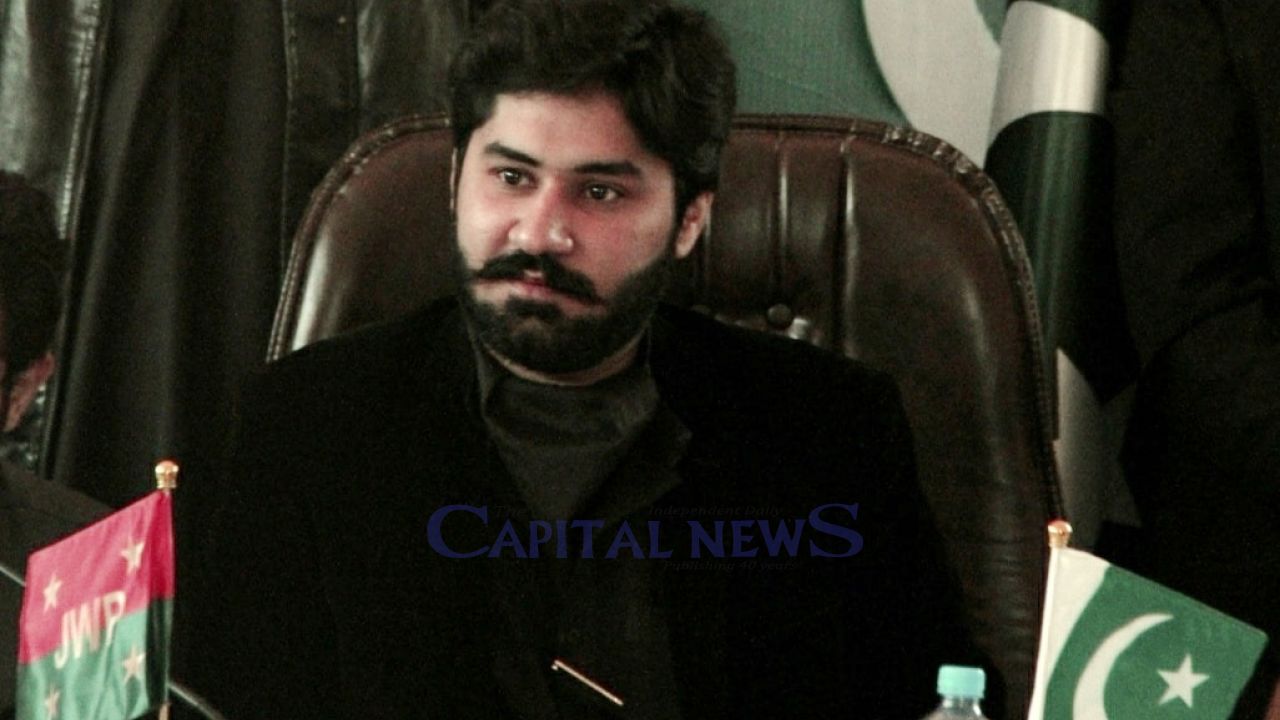
Muhammad Kamran Saeed Usmani: Pakistan’s position on Afghanistan has always been clear and consistent. For over four decades, Pakistan has not only hosted Afghan citizens during times of conflict but has actively facilitated their welfare. Millions of Afghans have lived in Pakistan, with two to three generations being born and raised on Pakistani soil. Afghan nationals have conducted businesses worth billions of rupees here, and Pakistan has extended support through infrastructure development, medical facilities, education, and humanitarian aid. This assistance has been provided in good faith, yet today, some elements from Afghanistan are attempting to drag Pakistan into renewed cycles of violence for the sake of narrow interests.

When the United States withdrew and the Taliban returned to power, many in Pakistan welcomed the regime, believing it could bring stability. Hashtags such as “Taliban our guardian” trended on social media. However, the reality unfolded differently: weapons left behind by the United States fell into Taliban hands, and these same arms were later used by Tehrik-i-Taliban Pakistan (TTP) and Balochistan Liberation Army (BLA) to escalate attacks within Pakistan.

Pakistan repeatedly sought to resolve these threats diplomatically. It called upon the Taliban to prevent the TTP and BLA from using Afghan territory against Pakistan. Despite numerous warnings, these demands were ignored. Pakistan even carried out targeted airstrikes against terrorist camps, government buildings used by insurgents, and internationally wanted terrorists within Afghanistan, always as a last resort and only after exhausting dialogue. Yet the attacks continued, spreading from Balochistan and Khyber Pakhtunkhwa into urban centers, including Islamabad, claiming the lives of innocent civilians women, children, and ordinary citizens.

Several incidents illustrate the scope of this threat:

Bomb blasts targeting trains, buses, and public areas across Pakistan were orchestrated from Afghan soil.

Baloch separatist movements intensified, operating from Afghan bases with handlers, logistics, and training camps within Afghanistan.

Pakistan’s repeated diplomatic efforts in Doha, Turkey, and other forums to formalize these demands in writing were never honored. Meanwhile, India allegedly leveraged the Taliban to reactivate proxies within Pakistan, further complicating the security situation.

Even with such challenges, Pakistan has not sought confrontation with the Taliban. Its stance has always been principled: Afghan soil must never be used for operations against Pakistan. Pakistan’s policy remains one of restraint and responsibility hosting millions of Afghans, facilitating their welfare, and providing every possible form of assistance yet expecting the same in return: that Afghan territory not be turned into a launchpad for violence against its neighbor.

This history of generosity, juxtaposed with rising security threats, underscores Pakistan’s commitment to peace and stability in the region while also highlighting the urgency of ensuring that Afghan soil is not misused against Pakistan. The country remains firm: assistance and hospitality are not invitations for aggression. The principle is clear Afghanistan must act to restrain militancy and ensure that its territory is not weaponized against Pakistan.

Author: Muhammad Kamran Saeed Usmani 

President Pakistan Youth Pakistan Muslim League 

Advisor to Government For Aquaf N Religious Affairs 

Conevened Pakistan Bangladesh Friendship Forum

Write Your Opinion

The Daily Capital News

শুক্রবার, ২৭ ফেব্রুয়ারি ২০২৬


Pakistan’s Stance on Afghanistan: A Principled Approach Amid Rising Threats

Publish Date : 27 February 2026

featured Image
Muhammad Kamran Saeed Usmani: Pakistan’s position on Afghanistan has always been clear and consistent. For over four decades, Pakistan has not only hosted Afghan citizens during times of conflict but has actively facilitated their welfare. Millions of Afghans have lived in Pakistan, with two to three generations being born and raised on Pakistani soil. Afghan nationals have conducted businesses worth billions of rupees here, and Pakistan has extended support through infrastructure development, medical facilities, education, and humanitarian aid. This assistance has been provided in good faith, yet today, some elements from Afghanistan are attempting to drag Pakistan into renewed cycles of violence for the sake of narrow interests.When the United States withdrew and the Taliban returned to power, many in Pakistan welcomed the regime, believing it could bring stability. Hashtags such as “Taliban our guardian” trended on social media. However, the reality unfolded differently: weapons left behind by the United States fell into Taliban hands, and these same arms were later used by Tehrik-i-Taliban Pakistan (TTP) and Balochistan Liberation Army (BLA) to escalate attacks within Pakistan.Pakistan repeatedly sought to resolve these threats diplomatically. It called upon the Taliban to prevent the TTP and BLA from using Afghan territory against Pakistan. Despite numerous warnings, these demands were ignored. Pakistan even carried out targeted airstrikes against terrorist camps, government buildings used by insurgents, and internationally wanted terrorists within Afghanistan, always as a last resort and only after exhausting dialogue. Yet the attacks continued, spreading from Balochistan and Khyber Pakhtunkhwa into urban centers, including Islamabad, claiming the lives of innocent civilians women, children, and ordinary citizens.Several incidents illustrate the scope of this threat: • Bomb blasts targeting trains, buses, and public areas across Pakistan were orchestrated from Afghan soil. • Baloch separatist movements intensified, operating from Afghan bases with handlers, logistics, and training camps within Afghanistan. • Pakistan’s repeated diplomatic efforts in Doha, Turkey, and other forums to formalize these demands in writing were never honored. Meanwhile, India allegedly leveraged the Taliban to reactivate proxies within Pakistan, further complicating the security situation.Even with such challenges, Pakistan has not sought confrontation with the Taliban. Its stance has always been principled: Afghan soil must never be used for operations against Pakistan. Pakistan’s policy remains one of restraint and responsibility hosting millions of Afghans, facilitating their welfare, and providing every possible form of assistance yet expecting the same in return: that Afghan territory not be turned into a launchpad for violence against its neighbor.This history of generosity, juxtaposed with rising security threats, underscores Pakistan’s commitment to peace and stability in the region while also highlighting the urgency of ensuring that Afghan soil is not misused against Pakistan. The country remains firm: assistance and hospitality are not invitations for aggression. The principle is clear Afghanistan must act to restrain militancy and ensure that its territory is not weaponized against Pakistan.Author: Muhammad Kamran Saeed Usmani President Pakistan Youth Pakistan Muslim League Advisor to Government For Aquaf N Religious Affairs Conevened Pakistan Bangladesh Friendship Forum

The Daily Capital News

Acting Editor: Md Alamgir Hossian
© 2025 The Daily Capital News