Saudi Deputy FM in Dhaka ahead of PM’s Riyadh visit
Desk Report: Saudi Arabia has intensified its diplomatic
engagement with Bangladesh ahead of Prime Minister Tarique Rahman's first
official visit to Riyadh, signaling a shared commitment to elevate bilateral
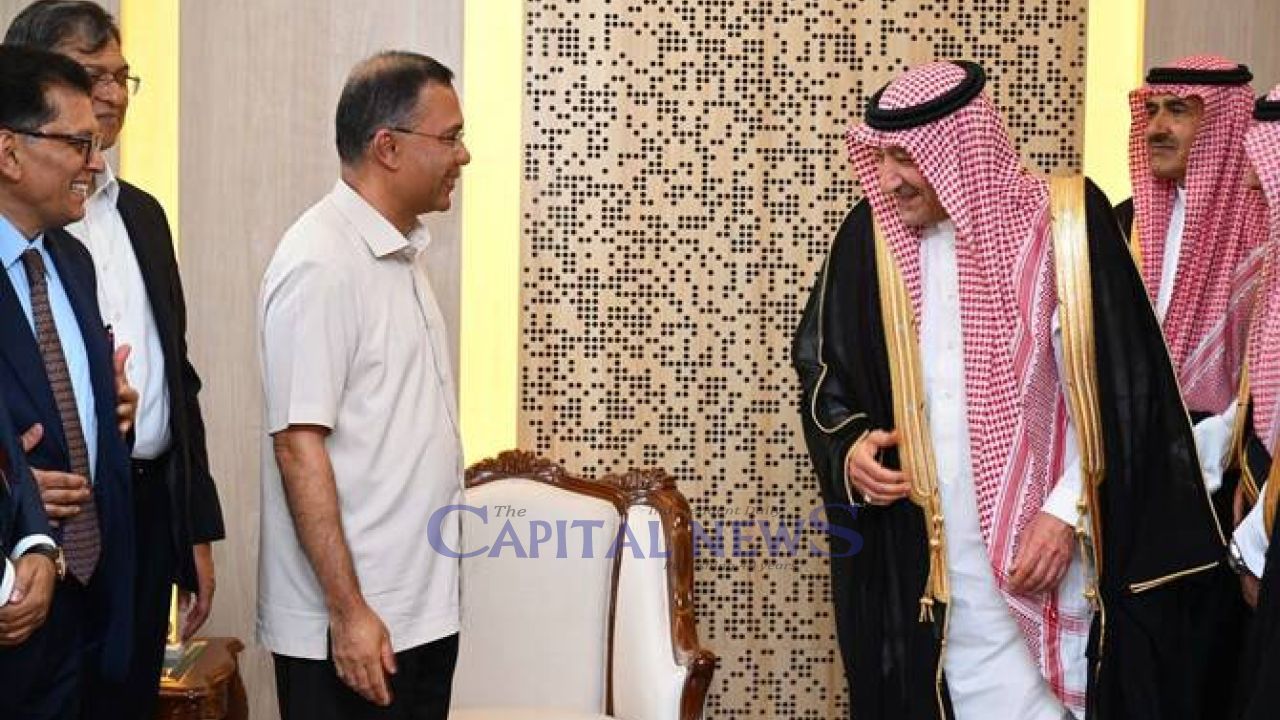
relations into a broader strategic partnership.Saudi Deputy Foreign Minister Waleed bin
Abdulkarim El-Khereiji, who arrived in Dhaka on Tuesday for a two-day official
visit, held a series of high-level meetings with Bangladesh's political
leadership to discuss cooperation in diplomacy, trade, investment, manpower,
regional security and long-term strategic collaboration.The visit is being viewed by diplomatic
observers as a significant step toward strengthening ties between the two
Muslim-majority nations at a time of growing geopolitical and economic
cooperation in the Middle East and South Asia. High-Level
Meetings: During his visit,
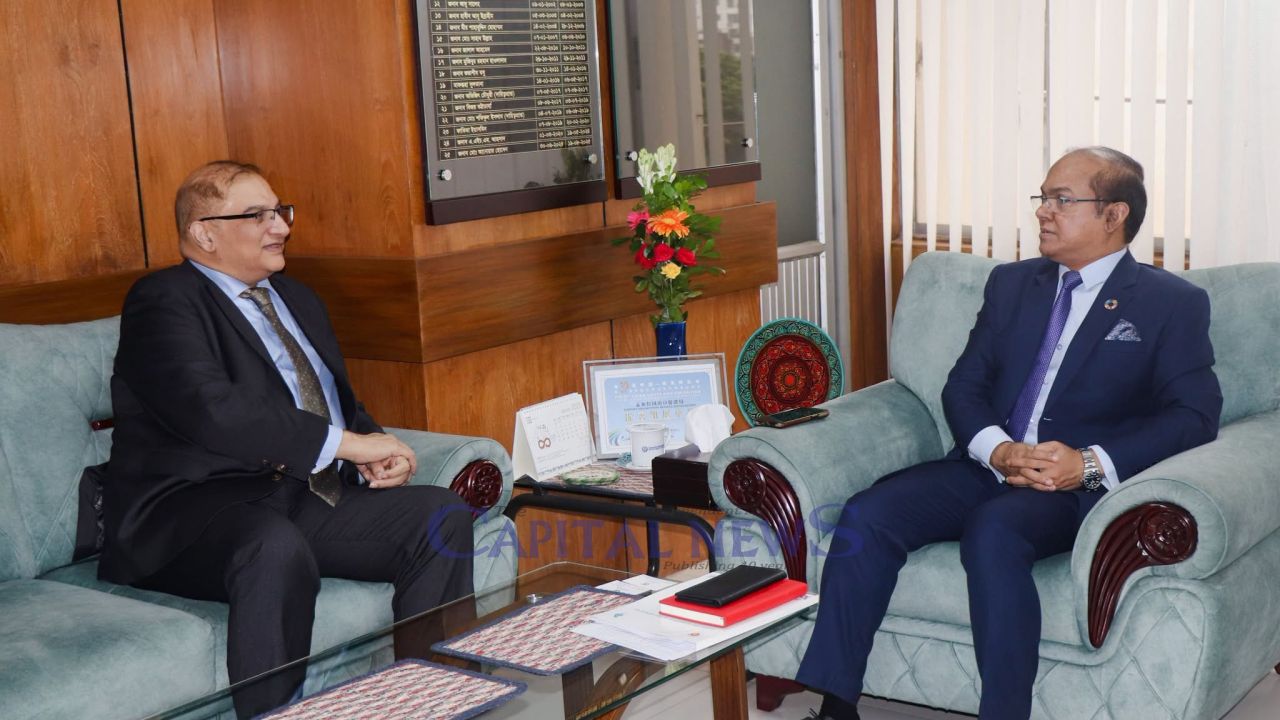
El-Khereiji met Foreign Minister Khalilur Rahman, Prime Minister's Foreign
Affairs Adviser Humayun Kabir, and paid a courtesy call on Prime Minister
Tarique Rahman at the Bangladesh Secretariat.Home Minister Salahuddin Ahmed and State
Minister for Foreign Affairs Shama Obaid also attended the meeting with the
Saudi deputy foreign minister.According to the Prime Minister's Office, both
sides expressed their commitment to taking Bangladesh-Saudi Arabia relations
"to a new height."Prime Minister Tarique Rahman described the
relationship as one built on "mutual trust and long-standing
friendship," adding that his government aims to establish a strategic,
multidimensional and long-term partnership with the Kingdom.Saudi officials, in turn, reaffirmed the
invitation from the Kingdom's leadership for the Bangladeshi prime minister to
visit Riyadh. Historic
Visit on the Horizon: Prime Minister
Tarique Rahman's upcoming visit will be his first official trip to Saudi Arabia
since assuming office in late February.Diplomatic sources believe the visit could
result in several agreements covering economic cooperation, investment,
infrastructure, energy, labour, technology and human resource development.The official invitation for the visit was
handed over last month by Saudi Ambassador Abdullah bin Abiyah.Officials familiar with the preparations say
both governments are working to ensure the visit produces concrete outcomes
that reflect the growing importance of bilateral ties. Expanding
Economic Partnership: Saudi Arabia has long
been one of Bangladesh's closest development and labour partners.More than two million Bangladeshis are
employed in Saudi Arabia, making the Kingdom one of the largest destinations
for Bangladeshi migrant workers. Their remittances play a vital role in
Bangladesh's economy.Analysts believe Dhaka is now seeking to move
beyond the traditional manpower relationship by attracting greater Saudi
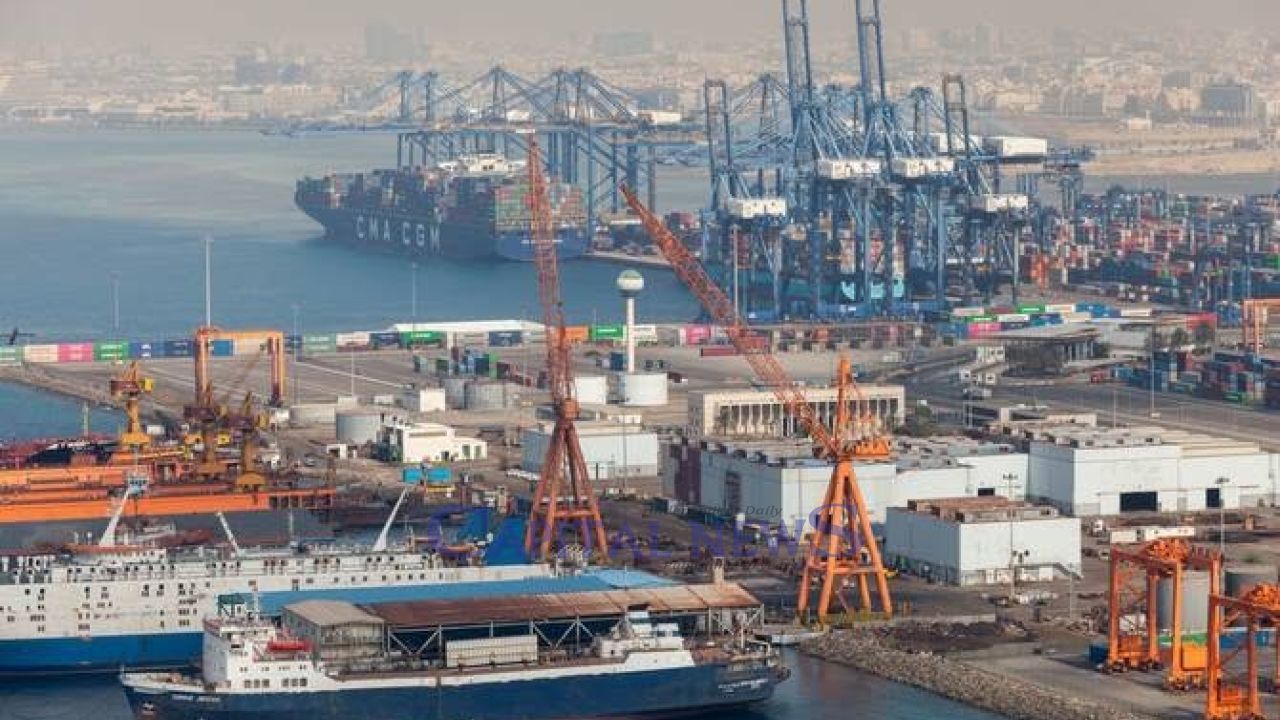
investment in infrastructure, logistics, renewable energy, manufacturing, food
security and digital technology.The latest diplomatic exchanges suggest both
countries are increasingly interested in broadening cooperation into areas that
support long-term economic growth. Security
Cooperation Also Growing:
The Saudi deputy foreign minister's visit comes shortly after Bangladesh joined
the Saudi-led Multinational Maritime Defense Alliance, an initiative designed
to strengthen maritime security and safeguard international shipping routes.The alliance includes 14 participating
countries, among them Bangladesh, Kuwait, Bahrain, Pakistan, Türkiye and
Jordan.Its primary objective is to help protect
freedom of navigation and secure vital sea lanes across the Bab Al-Mandab
Strait, the Red Sea and the Gulf of Aden—waterways that are critical to global
trade and energy supplies.Bangladesh's participation reflects its
growing interest in contributing to regional stability while strengthening
defence and security cooperation with friendly nations. A
Series of High-Level Exchanges: El-Khereiji's visit follows another important Saudi delegation
to Dhaka only two weeks ago.Saudi Deputy Minister of Transport Rumaih
Al-Rumaih visited Bangladesh to explore investment opportunities and discuss
cooperation on strategic transport and infrastructure projects.The back-to-back visits indicate increasing
momentum in bilateral engagement ahead of the prime minister's planned trip to
Riyadh.Looking
Ahead: Diplomatic experts
say the coming months could mark a turning point in Bangladesh-Saudi relations.While labour cooperation and religious ties
remain central to the partnership, both governments now appear eager to deepen
collaboration in investment, trade, connectivity, energy security, technology
and regional peace.
If Prime Minister Tarique Rahman's visit proceeds
as expected, it could open the door to a new phase of strategic cooperation,
reinforcing Saudi Arabia's position as one of Bangladesh's most important
partners in the Middle East while creating fresh opportunities for economic
development and regional engagement.