BRICS adopts 140-point New Delhi Declaration, deepens Global South cooperation
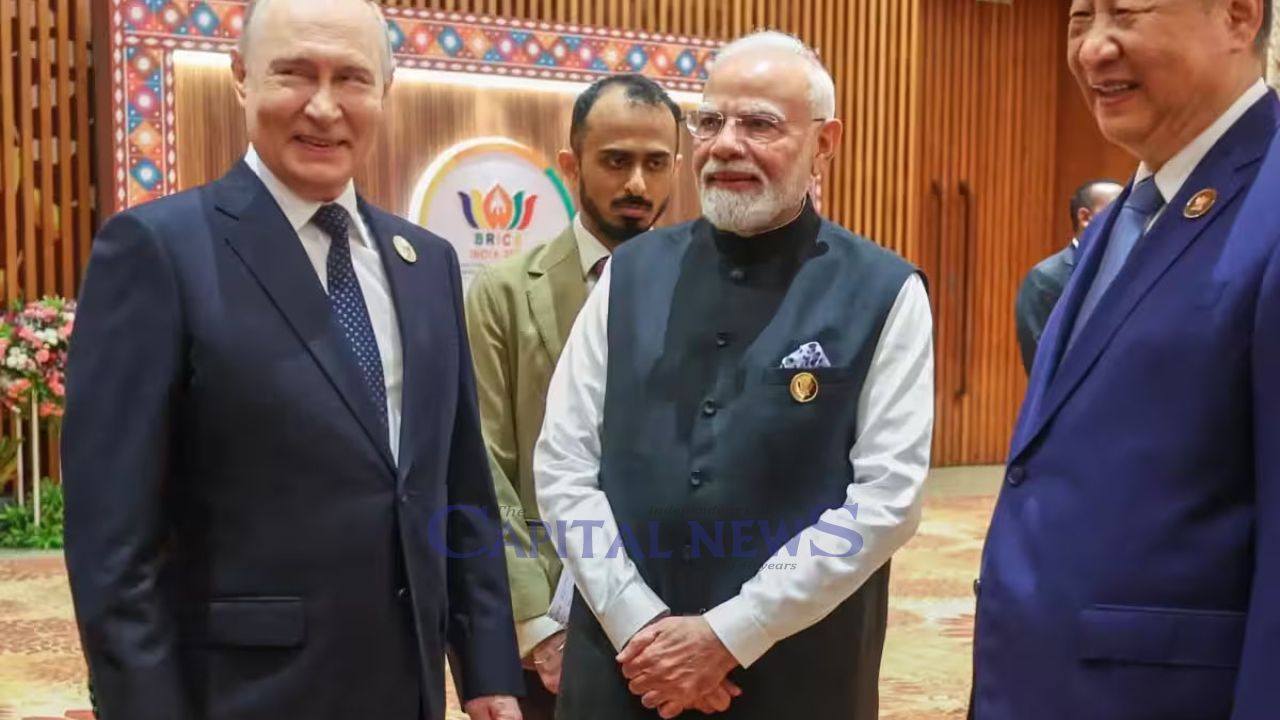
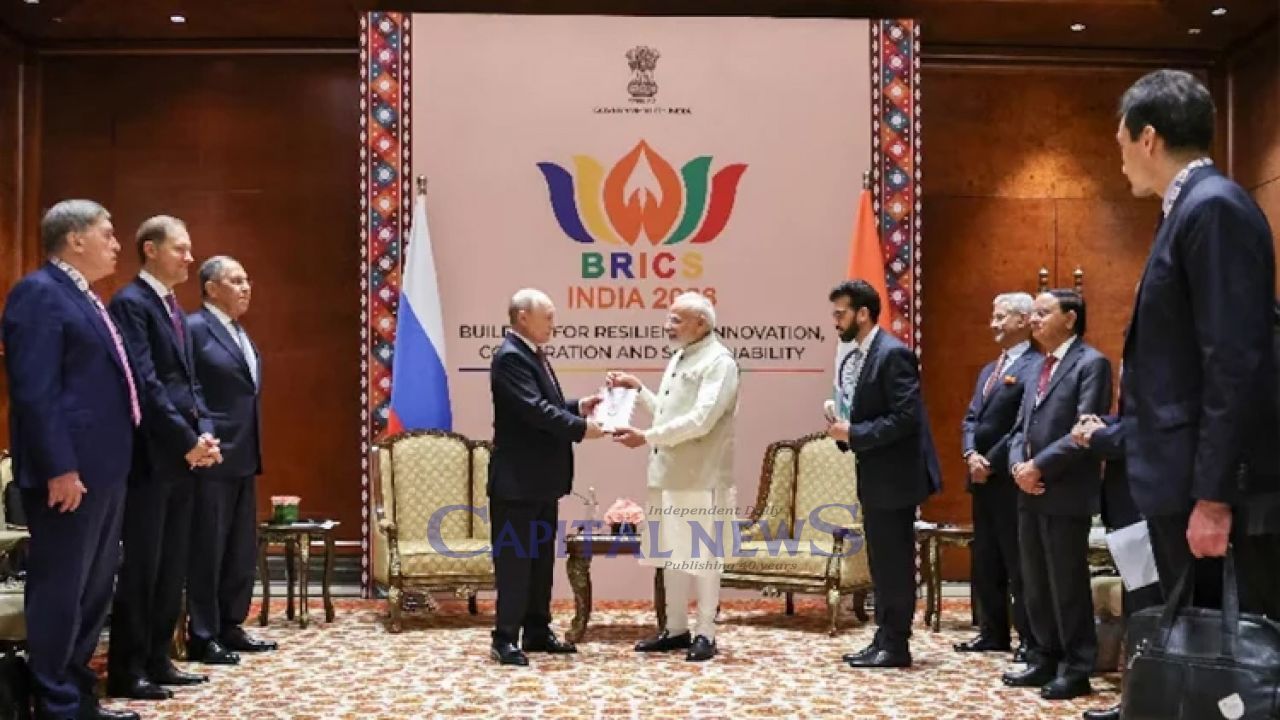
The 18th BRICS Summit, held in New Delhi on September 12–13, has ended with the unanimous adoption of a 140-paragraph New Delhi Declaration, marking what can be seen as the grouping’s most significant achievement despite the diversity of interests among its members.The declaration sets out common positions on a wide range of issues, including global politics, the economy, trade, health, agriculture, technology and security.Diplomatically, the consensus is particularly significant as BRICS brings together countries with often divergent interests, including India, China, Russia and Iran. Reaching agreement among such a diverse membership has reinforced the grouping’s role as an important platform for cooperation among countries of the Global South.The summit renewed calls for greater representation of developing countries in international institutions, including the United Nations.A notable development was the support expressed by China and Russia for India and Brazil to have a greater role in the UN Security Council, reflecting BRICS’ continuing push for reforms in global governance.The declaration also reaffirmed the grouping’s opposition to unilateral measures that undermine international trade and economic cooperation.BRICS members raised concerns over the impact of unilateral tariffs, non-tariff barriers and economic sanctions on global trade, while stressing the need to keep international trade and supply chains functioning smoothly.The summit also adopted a common position on the continuing crisis in the Middle East.BRICS called for maximum restraint and urged the parties to pursue dialogue and diplomacy as the means of resolving conflicts. The declaration also addressed the situation in Gaza, reaffirmed the rights of the Palestinian people and opposed forced displacement.The common position demonstrates the grouping’s growing engagement with major geopolitical and humanitarian issues beyond its traditional economic agenda.Agriculture was among the most practical areas of cooperation highlighted at the summit.Several initiatives were advanced, including BRICS AGRIN, focusing on agro-inputs, genetic resources and agricultural information, as well as a Network of Centres of Excellence on Agroecology and Regenerative Agriculture.The grouping also moved forward with a Digital Agriculture Network and a Global Forum on Farmers' Rights in Seed Systems.The initiatives aim to improve agricultural productivity and climate resilience while promoting digital farming, sustainable agricultural practices and cooperation on seed resources.Health and technology cooperationThe declaration placed further emphasis on cooperation in healthcare, universal health coverage and the exchange of technology and experience among BRICS countries.Artificial intelligence, digital technologies and innovation were also identified as areas where cooperation should be strengthened, reflecting the growing importance of technology in economic development and public services.Trade, investment and business linksThe summit also sought to deepen economic cooperation among member states.Through the BRICS Business Council, members stressed the importance of expanding trade and investment, strengthening resilient supply chains and increasing business-to-business contacts.Startup and innovation-related initiatives also received attention, with the aim of creating greater opportunities for businesses and entrepreneurs across the grouping.Institutional expansionIndia’s BRICS chairmanship in 2026 saw more than 400 meetings and engagements organised across 30 cities, reflecting the expanding institutional activities of the grouping.Work also progressed on establishing a BRICS Online Archival Database, which is expected to preserve and improve access to the grouping’s institutional records.China will host the next BRICS Summit in 2027.No BRICS currency yetDespite the summit’s broad political and economic agenda, one major expectation remained unmet.BRICS did not announce the launch of a single common currency. Nor did it establish a fully developed alternative international monetary system, despite continuing political discussions on reducing dependence on the US dollar.This means the outcome of the New Delhi Summit is better understood as a success in political consensus, greater representation for the Global South and sector-based cooperation, rather than as an immediate challenge to or replacement for the existing Western-led international financial system.The unanimous adoption of the 140-paragraph declaration, therefore, stands out as the summit’s central diplomatic achievement, demonstrating that BRICS can maintain a common agenda even as its membership expands and its geopolitical interests remain diverse.