Halal food culture can become a global asset for human civilisation: Info Minister
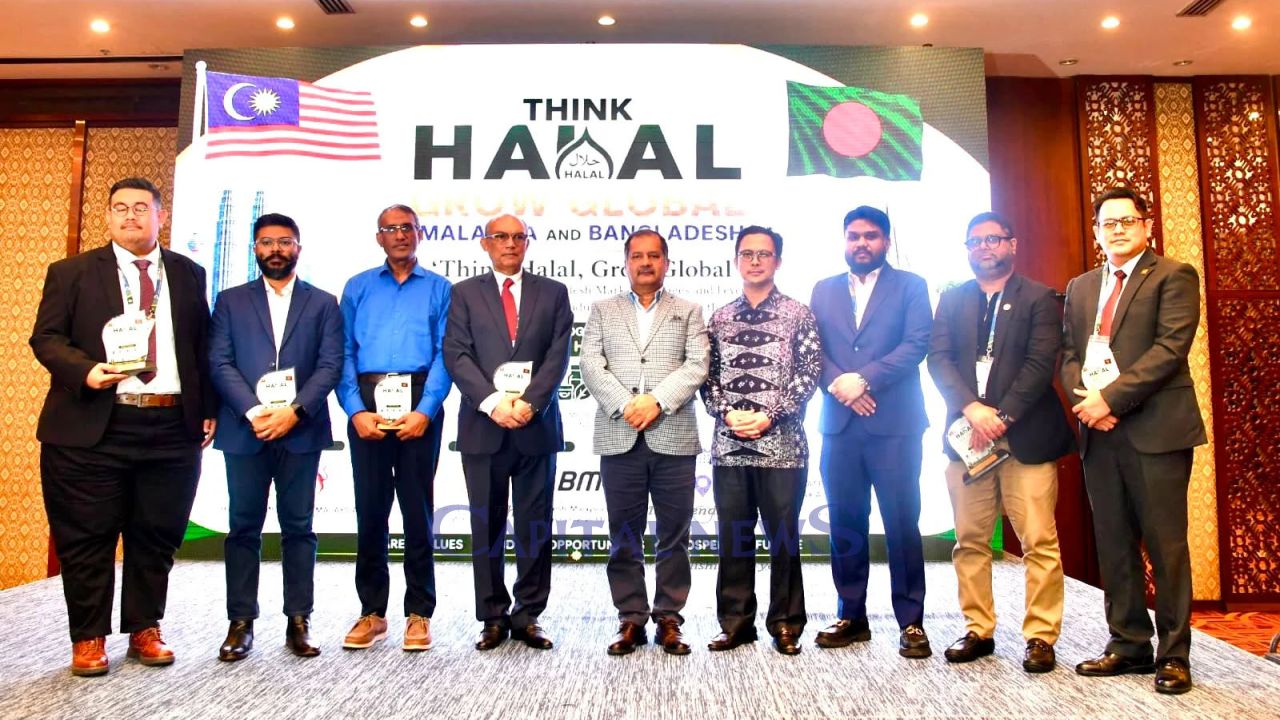
MM Rahmatullah: Information and Broadcasting Minister Zahir Uddin Swapon has said halal food culture and its underlying values can emerge as a major economic asset and source of strength not only for the Muslim world but for humanity as a whole.He made the remarks while addressing a seminar titled “Think Halal, Grow Global”, organised by the Malaysian High Commission in Dhaka at a city hotel.The minister said the halal sector should no longer be viewed solely through a religious or cultural lens. Its development, he noted, is increasingly connected with the global economy, consumer welfare, investment and international trade.“There is a huge global market for halal food, and both consumers and investors are ready to explore the potential of this sector,” Swapon said.He stressed the need for Bangladesh to take advantage of the growing international demand for halal products by bringing entrepreneurs, investors, traders and relevant institutions together under a coordinated strategy.According to the minister, Bangladesh and Malaysia are well positioned to cooperate in expanding the halal industry because of their shared religious, social and cultural values.“Both countries can jointly play an important role in developing the halal industry and expanding its scope in the global market by utilising their common values, culture and experience,” he said.Swapon emphasised that creating a strong halal economy would require more than simply producing halal goods. Investors and businesses, he said, need accurate information, practical knowledge, clear concepts and appropriate business models.“The proper ideas, information, knowledge and specific business structures must be created for investors,” he said, adding that combining knowledge with sound business strategies could have a positive impact on the market and increase the acceptance of halal products among ordinary consumers.The minister also highlighted the broader economic opportunities associated with the sector. A growing global market for halal food means Bangladesh can potentially expand production, attract investment, create employment and increase its participation in international trade if the country can develop competitive halal products and appropriate certification and business systems.Referring to the recent visit of Bangladesh Prime Minister Tarique Rahman to Malaysia, Swapon described Malaysian Prime Minister Anwar Ibrahim’s welcome to the Bangladeshi premier in Kuala Lumpur as a reflection of the deep friendship between the two countries.He expressed gratitude to the Malaysian government and Prime Minister Anwar Ibrahim on behalf of the government and people of Bangladesh.Swapon said Bangladesh-Malaysia relations extend beyond formal diplomatic contacts. The relationship, he added, is strengthened by shared values, people-to-people connections and mutual cooperation.Against this backdrop, he identified the halal industry as a promising new area for economic and diplomatic cooperation between Bangladesh and Malaysia.The seminar brought together leading businessmen, investors, entrepreneurs and representatives of relevant sectors from both countries, creating an opportunity to discuss the prospects and challenges of the rapidly expanding halal market.Malaysian High Commissioner to Bangladesh Mohd Shuhada Othman and Bangladesh-Malaysia Chamber of Commerce and Industry President Anwar Shahid also addressed the seminar.The discussions focused on the growing international demand for halal products and the scope for stronger Bangladesh-Malaysia cooperation in developing the sector.For Bangladesh, the message from the seminar was clear: halal products represent not only a matter of faith and culture but also a potentially significant business and development opportunity. With appropriate knowledge, investment, standards and international cooperation, the sector could open new doors for Bangladeshi businesses in the global marketplace.