
The Daily Capital News

Why Bangladesh must prioritise industrial growth

Why Bangladesh must prioritise industrial growth

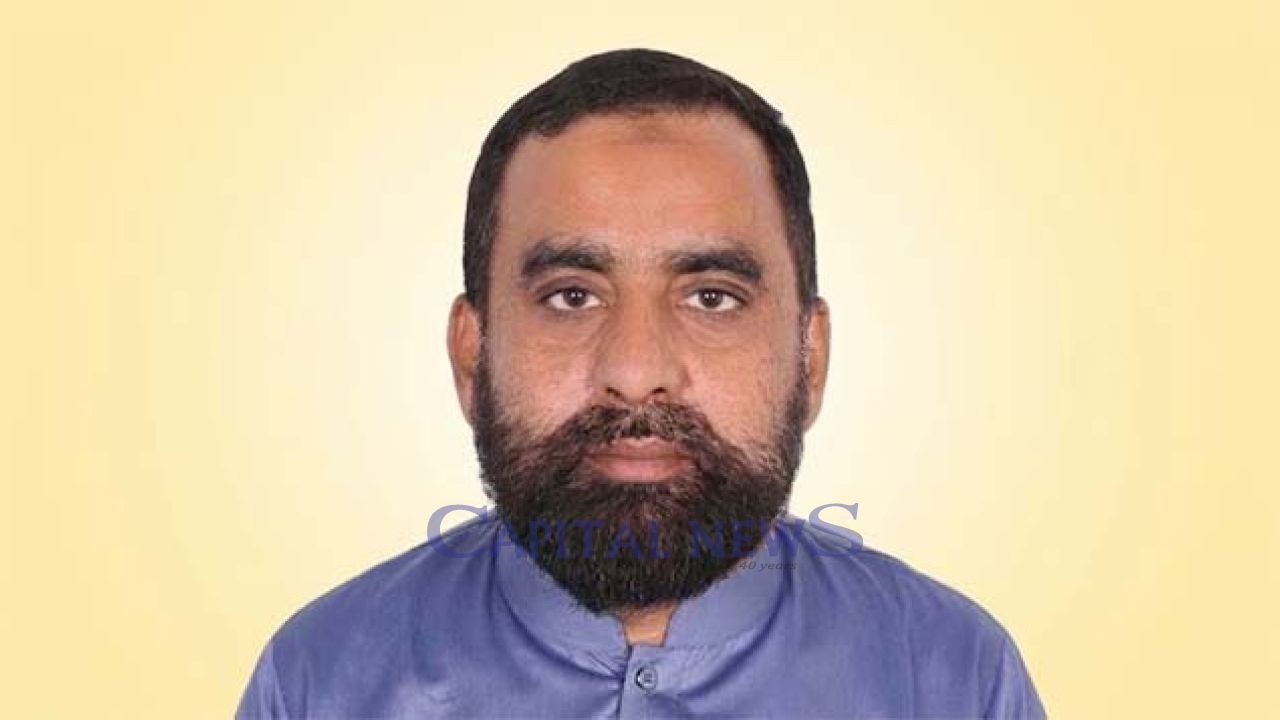
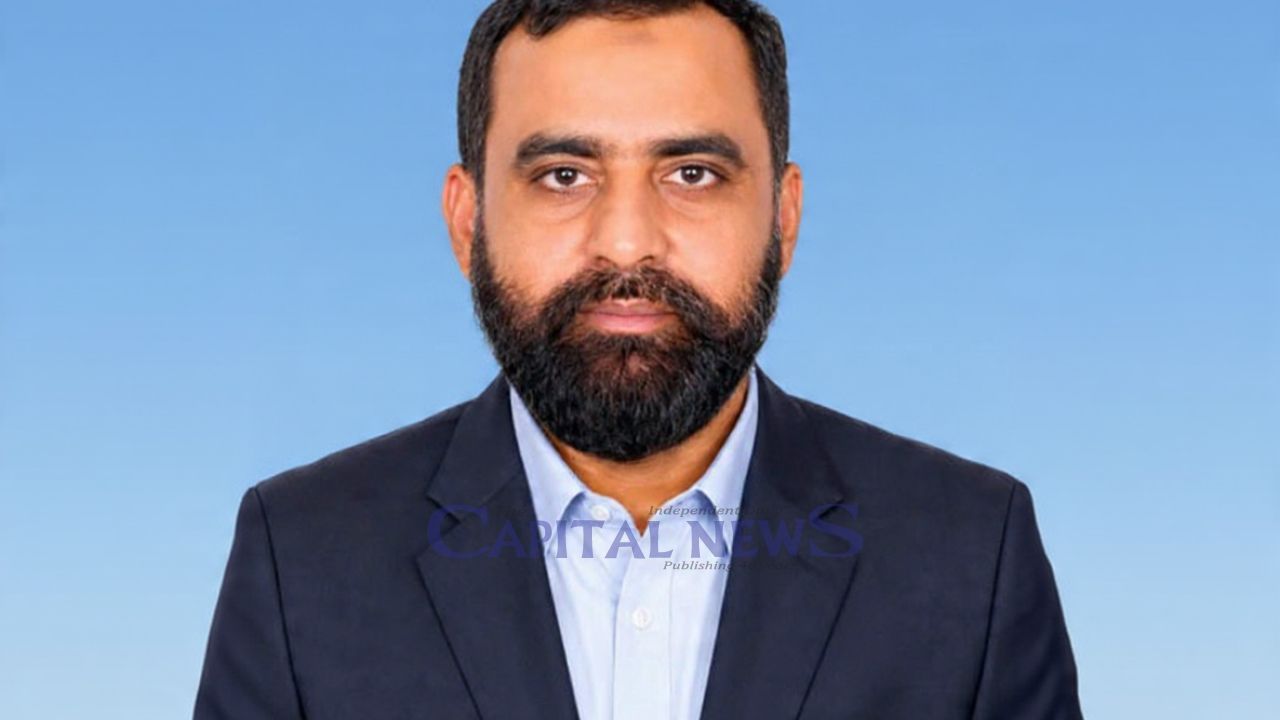
AKM Shaheed Reza: Bangladesh stands at a critical stage in its economic journey. At a time when many economies are focusing on innovation, productivity, energy transition, and sustainable growth, our national discourse continues to revolve around investment shortages, unemployment, weaknesses in the banking sector, and industrial stagnation. This reflects the structural challenges that continue to constrain our economic progress.

The country's forex reserves have recently shown signs of stability. However, reserve growth alone cannot be regarded as a true indicator of economic strength. While reserves provide macroeconomic stability and enhance confidence, they do not, by themselves, generate employment, stimulate production, or create sustainable economic activity. 


An economy is considered resilient when its reserves are sufficient to support imports, maintain financial stability, and withstand external shocks while productive sectors continue to expand.

Bangladesh possesses one of the greatest economic advantages: a large working-age population and an expanding middle class. Harnessing this demographic dividend through productive employment and industrial expansion is essential for achieving long-term economic growth. 


The challenge, however, lies in creating an environment where businesses have the confidence to invest and expand. This requires good governance, political stability, regulatory certainty, and a secure business environment.


Private sector investment remains the primary engine of economic growth. Entrepreneurs are more likely to invest when policy consistency is maintained, political uncertainty is minimised, and long-term economic stability is ensured. 


Delays in decision-making, regulatory uncertainty, and administrative inefficiencies discourage investment and ultimately slow economic development. Therefore, industrial growth must remain at the centre of national economic policy.


The government's initiative to revive closed or distressed industries through stimulus measures is encouraging. Nevertheless, issuing policy directives or circulars alone will not produce the desired outcomes. Many financial institutions are currently facing liquidity constraints, rising non-performing loans, and significant financial pressures. 


Consequently, banks are understandably cautious about financing distressed industries, as they are responsible for safeguarding public deposits. If the government intends to successfully revive industrial production, it must complement policy initiatives with realistic financial assistance, risk-sharing mechanisms, and well-designed incentive programmes.


Employment generation remains one of the country's most pressing economic priorities. The government alone cannot create sufficient jobs for a growing workforce. Sustainable employment must come primarily from a vibrant and competitive private sector. Revitalising industry, encouraging entrepreneurship, and facilitating investment are therefore essential to expanding employment opportunities and increasing national productivity.


At the same time, Bangladesh must ensure a business environment that encourages domestic investment. Capital naturally flows toward economies that offer stability, profitability, transparency, and legal certainty. 


If domestic entrepreneurs increasingly perceive investment opportunities abroad as more attractive than those at home, it should be viewed as a serious concern. Strengthening the rule of law, ensuring regulatory consistency, improving governance, and enhancing public security are therefore critical to restoring investor confidence.


Support from international financial institutions can provide valuable assistance during periods of economic adjustment. However, no nation can achieve lasting prosperity through external support alone. Sustainable economic strength is built upon export diversification, productive human capital, sound governance, strong domestic industries, and continuous private sector investment.


Bangladesh's future remains full of promise. The country has a dynamic workforce, an entrepreneurial business community, and a large domestic consumer market. What is needed now is decisive, practical, and well-coordinated economic reform. 


As industrial production accelerates, investment will increase, employment opportunities will expand, household incomes will rise, and economic growth will become more sustainable. The time has come to prioritise meaningful action over rhetoric and place industry and investment at the forefront of Bangladesh's economic transformation.


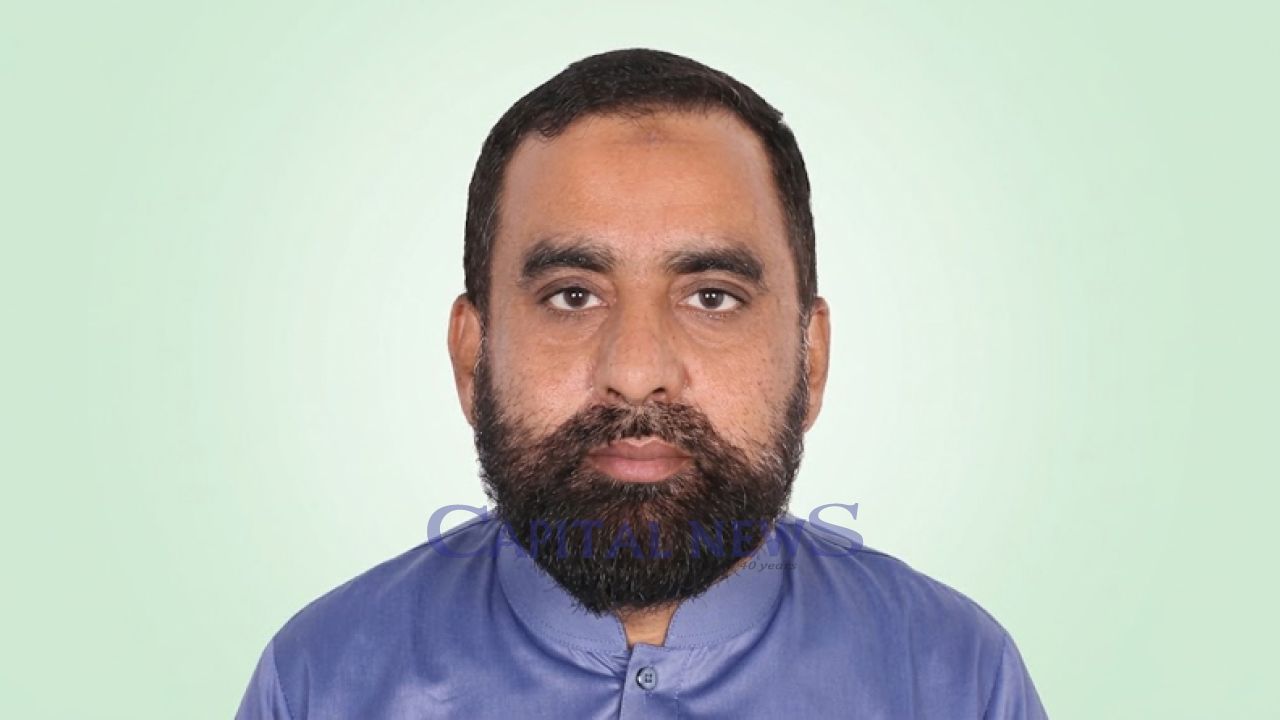
AKM Shaheed Reza is an ex-director of FBCCI  

Subject : Op-ed

Write Your Opinion

The Daily Capital News

মঙ্গলবার, ০৪ আগস্ট ২০২৬


Why Bangladesh must prioritise industrial growth

Publish Date : 04 August 2026

featured Image
AKM Shaheed Reza: Bangladesh stands at a critical stage in its economic journey. At a time when many economies are focusing on innovation, productivity, energy transition, and sustainable growth, our national discourse continues to revolve around investment shortages, unemployment, weaknesses in the banking sector, and industrial stagnation. This reflects the structural challenges that continue to constrain our economic progress.The country's forex reserves have recently shown signs of stability. However, reserve growth alone cannot be regarded as a true indicator of economic strength. While reserves provide macroeconomic stability and enhance confidence, they do not, by themselves, generate employment, stimulate production, or create sustainable economic activity. An economy is considered resilient when its reserves are sufficient to support imports, maintain financial stability, and withstand external shocks while productive sectors continue to expand.Bangladesh possesses one of the greatest economic advantages: a large working-age population and an expanding middle class. Harnessing this demographic dividend through productive employment and industrial expansion is essential for achieving long-term economic growth. The challenge, however, lies in creating an environment where businesses have the confidence to invest and expand. This requires good governance, political stability, regulatory certainty, and a secure business environment.Private sector investment remains the primary engine of economic growth. Entrepreneurs are more likely to invest when policy consistency is maintained, political uncertainty is minimised, and long-term economic stability is ensured. Delays in decision-making, regulatory uncertainty, and administrative inefficiencies discourage investment and ultimately slow economic development. Therefore, industrial growth must remain at the centre of national economic policy.The government's initiative to revive closed or distressed industries through stimulus measures is encouraging. Nevertheless, issuing policy directives or circulars alone will not produce the desired outcomes. Many financial institutions are currently facing liquidity constraints, rising non-performing loans, and significant financial pressures. Consequently, banks are understandably cautious about financing distressed industries, as they are responsible for safeguarding public deposits. If the government intends to successfully revive industrial production, it must complement policy initiatives with realistic financial assistance, risk-sharing mechanisms, and well-designed incentive programmes.Employment generation remains one of the country's most pressing economic priorities. The government alone cannot create sufficient jobs for a growing workforce. Sustainable employment must come primarily from a vibrant and competitive private sector. Revitalising industry, encouraging entrepreneurship, and facilitating investment are therefore essential to expanding employment opportunities and increasing national productivity.At the same time, Bangladesh must ensure a business environment that encourages domestic investment. Capital naturally flows toward economies that offer stability, profitability, transparency, and legal certainty. If domestic entrepreneurs increasingly perceive investment opportunities abroad as more attractive than those at home, it should be viewed as a serious concern. Strengthening the rule of law, ensuring regulatory consistency, improving governance, and enhancing public security are therefore critical to restoring investor confidence.Support from international financial institutions can provide valuable assistance during periods of economic adjustment. However, no nation can achieve lasting prosperity through external support alone. Sustainable economic strength is built upon export diversification, productive human capital, sound governance, strong domestic industries, and continuous private sector investment.Bangladesh's future remains full of promise. The country has a dynamic workforce, an entrepreneurial business community, and a large domestic consumer market. What is needed now is decisive, practical, and well-coordinated economic reform. As industrial production accelerates, investment will increase, employment opportunities will expand, household incomes will rise, and economic growth will become more sustainable. The time has come to prioritise meaningful action over rhetoric and place industry and investment at the forefront of Bangladesh's economic transformation.AKM Shaheed Reza is an ex-director of FBCCI  

The Daily Capital News

Advisory Editor: Gayeshwar Chandra Roy
Editor: Abul Kashem Majumder
Acting Editor: Mohammad Alamgir Hossain
Executive Editor: Farid Ahmed Ripon

© 2025 The Daily Capital News