

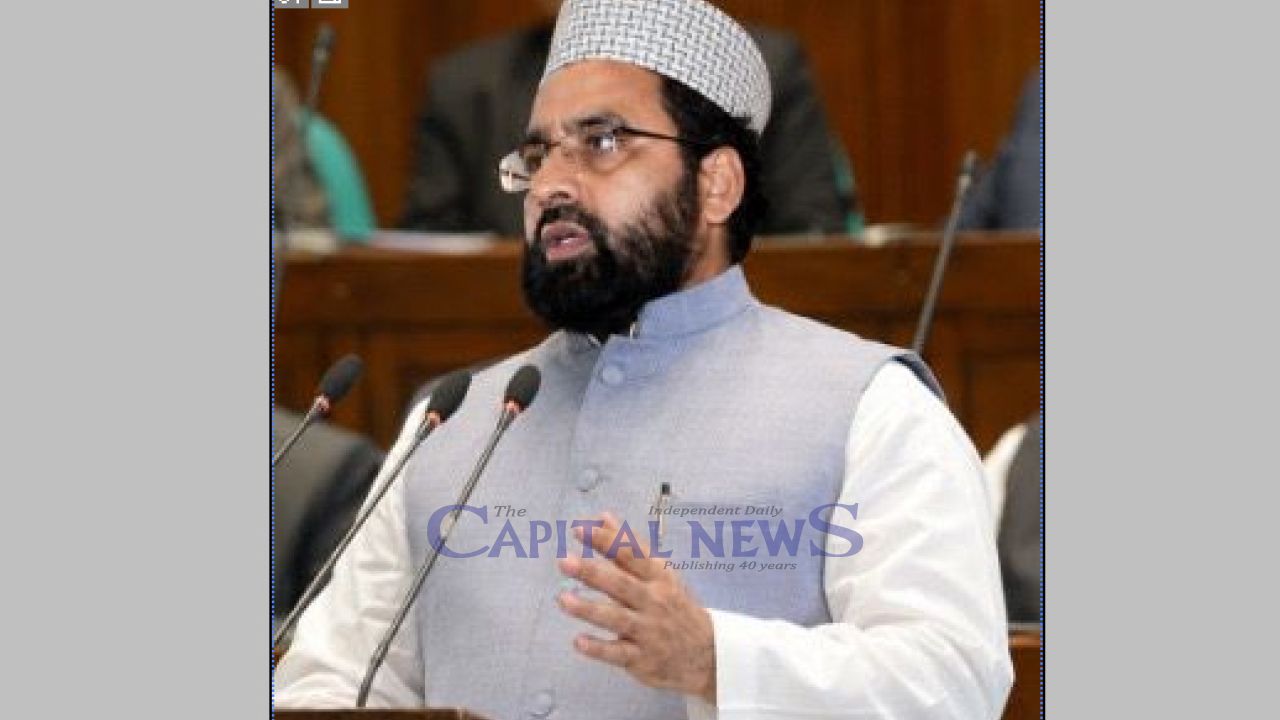
Md. Mukhlesur Rahman: In international politics, there are moments when the possibility of peace emerges even amid the long shadows of war and tension. The positive signals coming from the United States–Iran related discussions held at Lake Lausanne are an indication of such a possibility.
Iran’s Foreign Minister Seyed Abbas Araghchi has expressed appreciation for the mediation efforts of Qatar and Pakistan, stating that these initiatives have resulted in significant progress toward resolving the crisis. According to his remarks, steps such as the lifting of certain sanctions, easing maritime restrictions, and the release of some frozen Iranian assets have been taken. At the same time, the joint statement by Qatar and Pakistan stated that the Lausanne discussions were held in a positive and constructive environment, and a roadmap has been prepared with the goal of reaching a final agreement within the next 60 days.
This progress is not merely news of a diplomatic meeting; it carries an important message in a world marked by prolonged conflicts—that dialogue remains a viable alternative to war.
From Conflict to Dialogue
Relations between the United States and Iran have remained tense for many years. Deep mistrust has developed between the two countries over issues such as Iran’s nuclear program, economic sanctions, regional influence, and security concerns.
The impact of this tension has not been limited to the two countries alone. It has also affected conflicts in the Middle East, instability in energy markets, and the broader global security environment.
Therefore, the significance of the current diplomatic initiative lies in the fact that it is not only an attempt to resolve a bilateral dispute; it is also an effort to bring stability to a region that has long experienced uncertainty.
The Mediation Role of Pakistan and Qatar: A New Dimension in Regional Diplomacy
The role of Pakistan and Qatar in this process is particularly significant. In situations where major powers are engaged in direct confrontation, mediation by regional countries can often create an effective bridge for dialogue.
For Pakistan, this represents an important diplomatic opportunity. By maintaining relations with the United States, Iran, and the Gulf region, Islamabad is seeking to present itself as a bridge for communication and negotiation.
Qatar, meanwhile, has already gained recognition as a mediator in various international crises. Therefore, the joint initiative by these two countries adds a new dimension to regional diplomacy.
The Strait of Hormuz: A Critical Decision for the Global Economy
The initiative to ensure safe maritime navigation through the Strait of Hormuz carries immense importance. As one of the world’s most crucial energy transit routes, stability in this waterway is vital for the global economy.
Any escalation of tensions or blockade in this area could affect not only the Middle East but also energy security and market stability across the world.
Therefore, establishing a secure communication mechanism is not only a regional step but also an important move toward global economic stability.
However, the Path Ahead Remains Difficult
Although optimism has emerged, the reality is that the deep mistrust between the United States and Iran will not disappear overnight.
A lasting agreement will require:
* Building mutual trust;
* Implementing commitments in practice;
* Finding realistic solutions to sanctions and security concerns;
* Considering the concerns of regional partners.
History has shown that beginning diplomatic negotiations is difficult, but making them sustainable is even more challenging.
The Politics of Peace: The Path Forward
In today’s world, lasting solutions are difficult to achieve through war. Considering economic, security, and humanitarian realities, diplomacy remains the most effective path forward.
If the Lausanne discussions move toward a genuine and long-term agreement, they could mark the beginning of a new chapter in Middle Eastern politics.
The greatest lesson is that crises lasting for years require time and patience to resolve. However, as long as the door of dialogue remains open, the possibility of peace never disappears.
The Lausanne talks are therefore not merely a meeting; they are an opportunity to prove that, in a world of conflicts, diplomacy remains the most powerful tool.
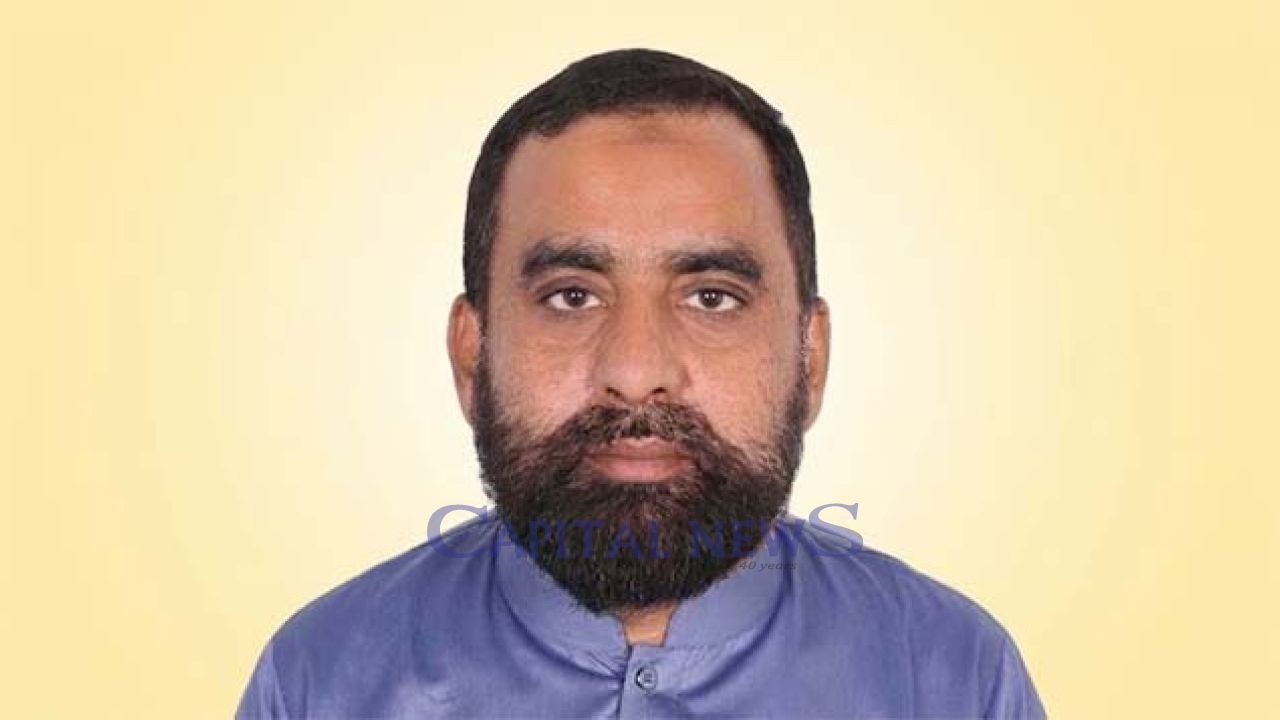
Md. Mukhlesur Rahman
International Political Analyst, Economist, and Human Rights Activist.
শনিবার, ২৬ সেপ্টেম্বর ২০২৬
Publish Date : 22 June 2026

Write Your Opinion