The Daily Capital News

Let the controversy over the Khatib of Baitul Mukarram come To an end

Let the controversy over the Khatib of Baitul Mukarram come To an end

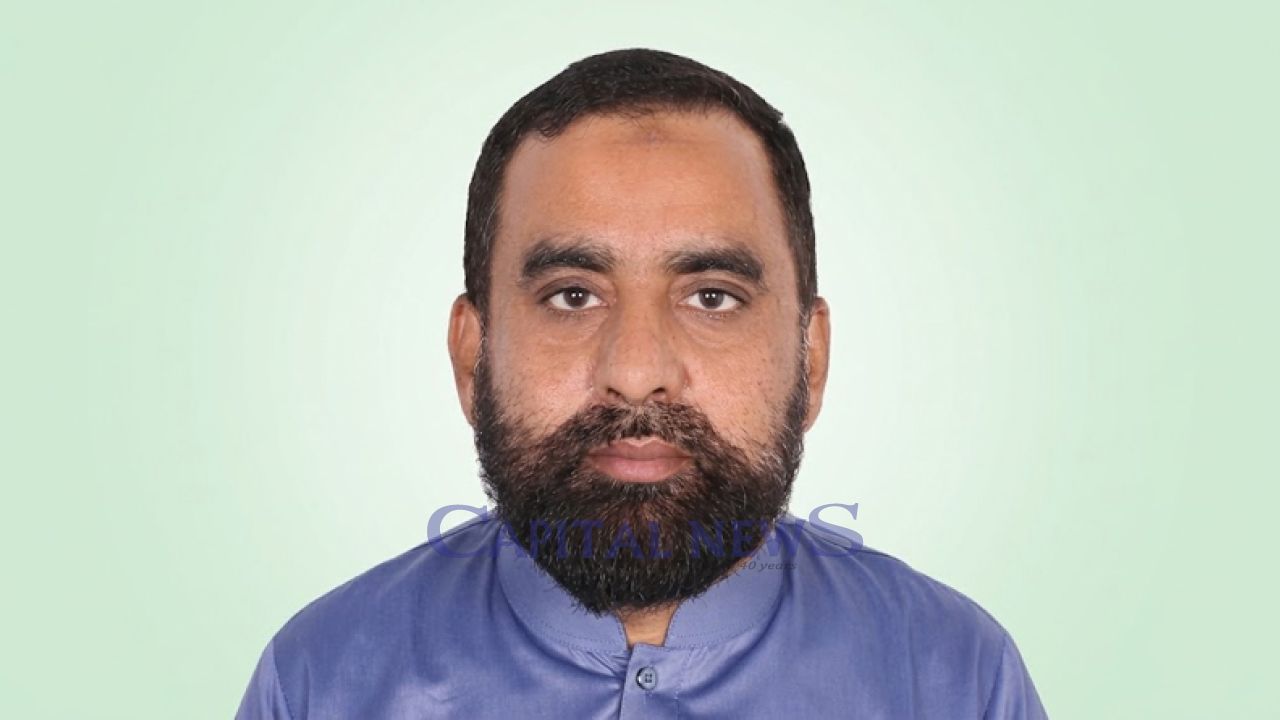
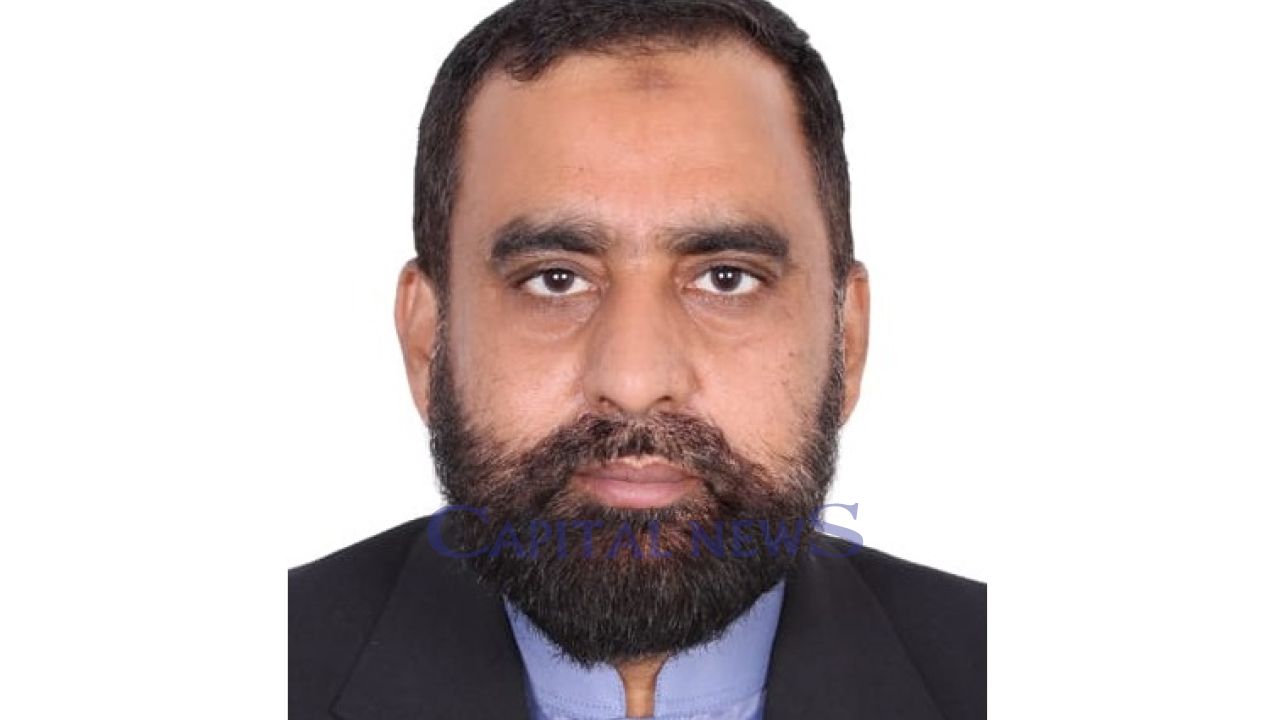
Md Mukhlesur Rahman: Baitul Mukarram, the National Mosque of Bangladesh, is deeply connected with the religious sentiments, heritage, and social harmony of Muslims belonging to all schools of thought in the country. Therefore, the question of who should serve as its Khatib is not merely a matter of appointing someone to a particular position. It is closely associated with the depth of Islamic knowledge, a comprehensive understanding of national and international affairs, the acceptability of religious leadership, the dignity of the mosque, and the trust, sincere respect, and genuine affection of ordinary worshippers.

In recent times, considerable discussion, disagreement, and controversy have emerged surrounding the position of the Khatib of Baitul Mukarram. Prolonging such controversy is in no one’s interest. The more a dispute becomes centred on individuals or groups, the greater the risk that the institutional dignity of the National Mosque will be undermined. What is needed now is not to broaden the controversy further, but to move towards an acceptable and sustainable solution.

What Should Be Considered in Selecting a Khatib?

The foremost considerations in selecting the Khatib of the National Mosque should be the candidate’s Islamic scholarship, piety, ability to deliver Khutbahs and public sermons, profound knowledge of the Qur’an and Sunnah, balanced understanding of contemporary issues, and broad acceptance among the people.

A Khatib is not merely the imam who leads the Friday prayer. He is expected to provide guidance to the public on religious, moral, and social matters. His sermons can play a significant role in strengthening peace, justice, humanity, mutual respect, and moral values in society. His words can also contribute meaningfully to nation-building.

Young people, in particular, should receive from the National Mosque guidance that inspires them to contribute to the development of the country and the nation and to uphold the independence and sovereignty of Bangladesh with courage, responsibility, and a spirit of sacrifice. The importance of these responsibilities is even greater in the case of Baitul Mukarram.

Therefore, the appointment process should be based on clear and transparent criteria of competence rather than personal preferences, political affiliations, group interests, or temporary circumstances.

Let the National Mosque Remain Above Political Controversy

Baitul Mukarram is not the mosque of any political party; it is the National Mosque of the state. Therefore, its Khatib should establish himself before the people not as a representative of any political faction, but as a responsible religious leader.

While speaking from the pulpit, the Khatib should uphold the truth fearlessly, while taking into consideration the security of people’s lives and property, national stability, the prevention of discord and division among Muslims, and the circumstances of time and place.

A Khatib, like any citizen, certainly has the right to hold personal political views. However, it is extremely important to ensure that such personal political preferences do not become reflected in the pulpit of the National Mosque. At the same time, it would also be inappropriate to judge a Khatib merely on the basis of his political identity. His religious scholarship, conduct, public statements, integrity, and performance of his responsibilities should be evaluated according to objective institutional standards.

A Permanent Solution to the Controversy Is Necessary

To resolve the current controversy, the relevant authorities should follow a clear and transparent process. If necessary, a high-level and impartial selection committee could be formed comprising distinguished Islamic scholars, Islamic thinkers, representatives of religious institutions, and relevant government authorities.

The committee could assess potential candidates on the basis of their religious qualifications, educational background, ability to deliver Khutbahs, social acceptance, moral standing, and suitability for carrying out the responsibilities of the National Mosque. At the same time, the terms of appointment, responsibilities, tenure, and accountability should also be clearly defined.

It is particularly important to ensure that, once a decision is made, the position does not repeatedly become a source of uncertainty and controversy. If necessary, Bangladesh could consider appointing four or five Khatibs for the National Mosque, following an arrangement similar to that of the Haramain Sharifain, with the Khatibs delivering Friday sermons on a rotational basis under the guidance of the Chief Khatib.

Let the Minbar Be a Place of Unity and Morality

Throughout Islamic history, the minbar of the mosque has been an important platform for moral education, calling people towards truth, promoting social responsibility, and establishing justice. The people naturally expect the minbar of the National Mosque to reflect this noble tradition.

Bangladeshi society is currently passing through various forms of political, social, and ideological division. At such a time, sermons from the National Mosque should ideally emphasise peace rather than confrontation; justice rather than injustice; tolerance and mutual respect rather than hostility; and moral values rather than corruption and social degradation. Awareness about the devastating consequences of corruption and drug abuse, as well as respect for human rights and social responsibilities, should also receive appropriate attention.

There should be no major conflict or political polarisation over the position of the Khatib or over particular statements delivered from the pulpit. What is urgently needed is a dignified and institutional solution to the matter. The sooner the Ministry of Religious Affairs brings the issue to a satisfactory conclusion, the better it will be for all concerned. A disease should be treated before it becomes contagious; the health of the institution must not be compromised.

The answer to the question of who should serve as the Khatib of Baitul Mukarram should not be determined by the influence of any individual or group. Rather, it should be based on competence, integrity, Islamic scholarship, public acceptability, and a transparent selection process. Only then can the dignity of the National Mosque be preserved and the confidence of its worshippers strengthened.

The time has come to end the controversy surrounding the position of the Khatib through restraint, responsibility, mutual respect, and constructive engagement among all concerned. The minbar of the National Mosque should not become a platform for controversy; rather, it should remain a symbol of unity, justice, morality, guidance, and spiritual enlightenment.

Md. Mukhlesur Rahman

Islamic Thinker and Economist, Social and Political Thinker, and Human Rights Activist

Write Your Opinion

The Daily Capital News

সোমবার, ১৯ অক্টোবর ২০২৬


Let the controversy over the Khatib of Baitul Mukarram come To an end

Publish Date : 08 October 2026

featured Image
Md Mukhlesur Rahman: Baitul Mukarram, the National Mosque of Bangladesh, is deeply connected with the religious sentiments, heritage, and social harmony of Muslims belonging to all schools of thought in the country. Therefore, the question of who should serve as its Khatib is not merely a matter of appointing someone to a particular position. It is closely associated with the depth of Islamic knowledge, a comprehensive understanding of national and international affairs, the acceptability of religious leadership, the dignity of the mosque, and the trust, sincere respect, and genuine affection of ordinary worshippers.In recent times, considerable discussion, disagreement, and controversy have emerged surrounding the position of the Khatib of Baitul Mukarram. Prolonging such controversy is in no one’s interest. The more a dispute becomes centred on individuals or groups, the greater the risk that the institutional dignity of the National Mosque will be undermined. What is needed now is not to broaden the controversy further, but to move towards an acceptable and sustainable solution.What Should Be Considered in Selecting a Khatib?The foremost considerations in selecting the Khatib of the National Mosque should be the candidate’s Islamic scholarship, piety, ability to deliver Khutbahs and public sermons, profound knowledge of the Qur’an and Sunnah, balanced understanding of contemporary issues, and broad acceptance among the people.A Khatib is not merely the imam who leads the Friday prayer. He is expected to provide guidance to the public on religious, moral, and social matters. His sermons can play a significant role in strengthening peace, justice, humanity, mutual respect, and moral values in society. His words can also contribute meaningfully to nation-building.Young people, in particular, should receive from the National Mosque guidance that inspires them to contribute to the development of the country and the nation and to uphold the independence and sovereignty of Bangladesh with courage, responsibility, and a spirit of sacrifice. The importance of these responsibilities is even greater in the case of Baitul Mukarram.Therefore, the appointment process should be based on clear and transparent criteria of competence rather than personal preferences, political affiliations, group interests, or temporary circumstances.Let the National Mosque Remain Above Political ControversyBaitul Mukarram is not the mosque of any political party; it is the National Mosque of the state. Therefore, its Khatib should establish himself before the people not as a representative of any political faction, but as a responsible religious leader.While speaking from the pulpit, the Khatib should uphold the truth fearlessly, while taking into consideration the security of people’s lives and property, national stability, the prevention of discord and division among Muslims, and the circumstances of time and place.A Khatib, like any citizen, certainly has the right to hold personal political views. However, it is extremely important to ensure that such personal political preferences do not become reflected in the pulpit of the National Mosque. At the same time, it would also be inappropriate to judge a Khatib merely on the basis of his political identity. His religious scholarship, conduct, public statements, integrity, and performance of his responsibilities should be evaluated according to objective institutional standards.A Permanent Solution to the Controversy Is NecessaryTo resolve the current controversy, the relevant authorities should follow a clear and transparent process. If necessary, a high-level and impartial selection committee could be formed comprising distinguished Islamic scholars, Islamic thinkers, representatives of religious institutions, and relevant government authorities.The committee could assess potential candidates on the basis of their religious qualifications, educational background, ability to deliver Khutbahs, social acceptance, moral standing, and suitability for carrying out the responsibilities of the National Mosque. At the same time, the terms of appointment, responsibilities, tenure, and accountability should also be clearly defined.It is particularly important to ensure that, once a decision is made, the position does not repeatedly become a source of uncertainty and controversy. If necessary, Bangladesh could consider appointing four or five Khatibs for the National Mosque, following an arrangement similar to that of the Haramain Sharifain, with the Khatibs delivering Friday sermons on a rotational basis under the guidance of the Chief Khatib.Let the Minbar Be a Place of Unity and MoralityThroughout Islamic history, the minbar of the mosque has been an important platform for moral education, calling people towards truth, promoting social responsibility, and establishing justice. The people naturally expect the minbar of the National Mosque to reflect this noble tradition.Bangladeshi society is currently passing through various forms of political, social, and ideological division. At such a time, sermons from the National Mosque should ideally emphasise peace rather than confrontation; justice rather than injustice; tolerance and mutual respect rather than hostility; and moral values rather than corruption and social degradation. Awareness about the devastating consequences of corruption and drug abuse, as well as respect for human rights and social responsibilities, should also receive appropriate attention.There should be no major conflict or political polarisation over the position of the Khatib or over particular statements delivered from the pulpit. What is urgently needed is a dignified and institutional solution to the matter. The sooner the Ministry of Religious Affairs brings the issue to a satisfactory conclusion, the better it will be for all concerned. A disease should be treated before it becomes contagious; the health of the institution must not be compromised.The answer to the question of who should serve as the Khatib of Baitul Mukarram should not be determined by the influence of any individual or group. Rather, it should be based on competence, integrity, Islamic scholarship, public acceptability, and a transparent selection process. Only then can the dignity of the National Mosque be preserved and the confidence of its worshippers strengthened.The time has come to end the controversy surrounding the position of the Khatib through restraint, responsibility, mutual respect, and constructive engagement among all concerned. The minbar of the National Mosque should not become a platform for controversy; rather, it should remain a symbol of unity, justice, morality, guidance, and spiritual enlightenment.Md. Mukhlesur RahmanIslamic Thinker and Economist, Social and Political Thinker, and Human Rights Activist

The Daily Capital News

Advisory Editor: Gayeshwar Chandra Roy
Editor: Abul Kashem Majumder
Acting Editor: Mohammad Alamgir Hossain
Executive Editor: Farid Ahmed Ripon

© 2025 The Daily Capital News