

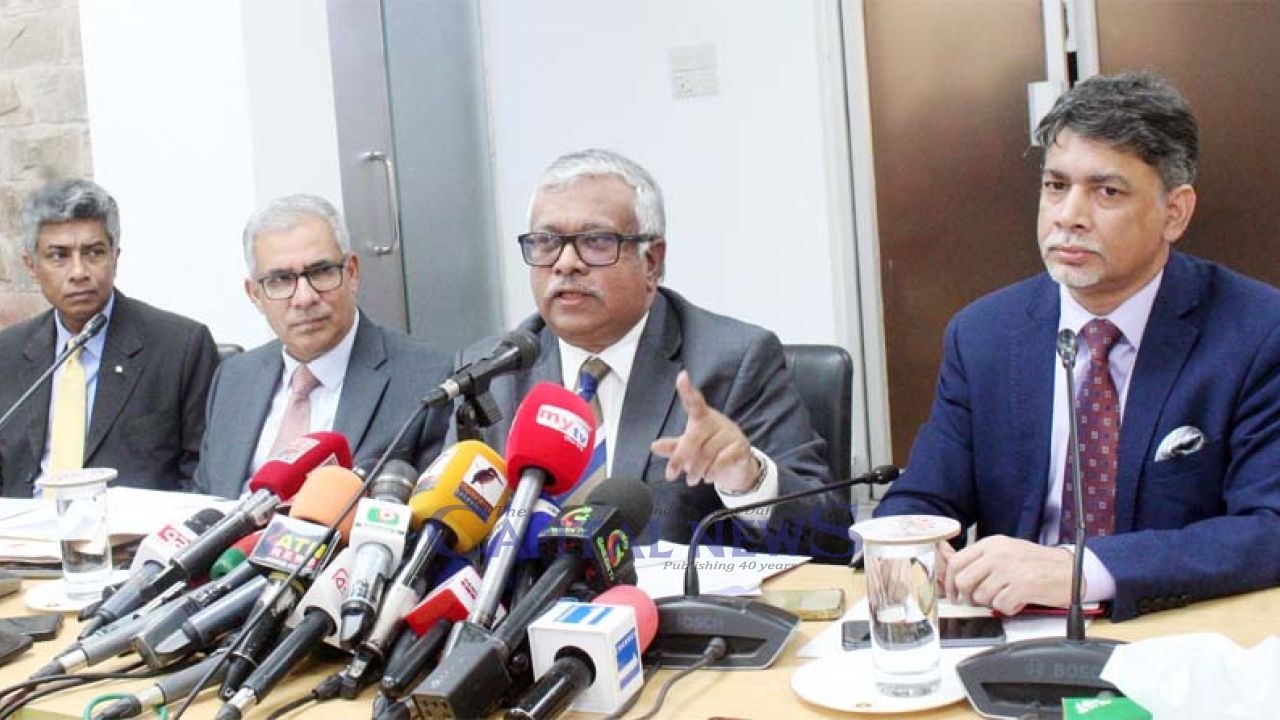
MM Rahmatullah: Prime Minister Tarique Rahman will pay an official visit to Japan from October 26 to 29 at the invitation of Japanese Prime Minister Takaichi Sanae, with trade expansion, Japanese investment, employment generation and economic cooperation expected to dominate the agenda.
The four-day visit is expected to open new avenues for Bangladesh-Japan cooperation, particularly following the signing of an Economic Partnership Agreement (EPA) between the two countries in February 2026, which has created fresh opportunities to expand bilateral trade and investment.
The Ministry of Foreign Affairs announced the visit simultaneously in Dhaka and Tokyo on Tuesday, October 20.
Prime Minister Tarique Rahman will be accompanied by his wife, Dr Zubaida Rahman, the finance minister, the adviser to the ministries of finance and planning, the first state minister for foreign affairs, the state minister for power, energy and mineral resources, the adviser to the ministries of posts, telecommunications and information technology and science and technology, the chairman of the Bangladesh Investment Development Authority, the prime minister’s special assistant for employment in the Asia-Pacific region, and other relevant officials, media representatives and distinguished personalities. The delegation will travel on a Biman Bangladesh Airlines flight.
The highlight of the visit will be a high-level bilateral meeting between Prime Minister Tarique Rahman and Japanese Prime Minister Takaichi Sanae at her office on October 27, the second day of the tour. The Japanese prime minister will also host a luncheon in honour of her Bangladeshi counterpart.
According to the Foreign Ministry, the two sides are expected to discuss ways to strengthen their longstanding partnership, accelerate ongoing projects and explore new areas of cooperation.
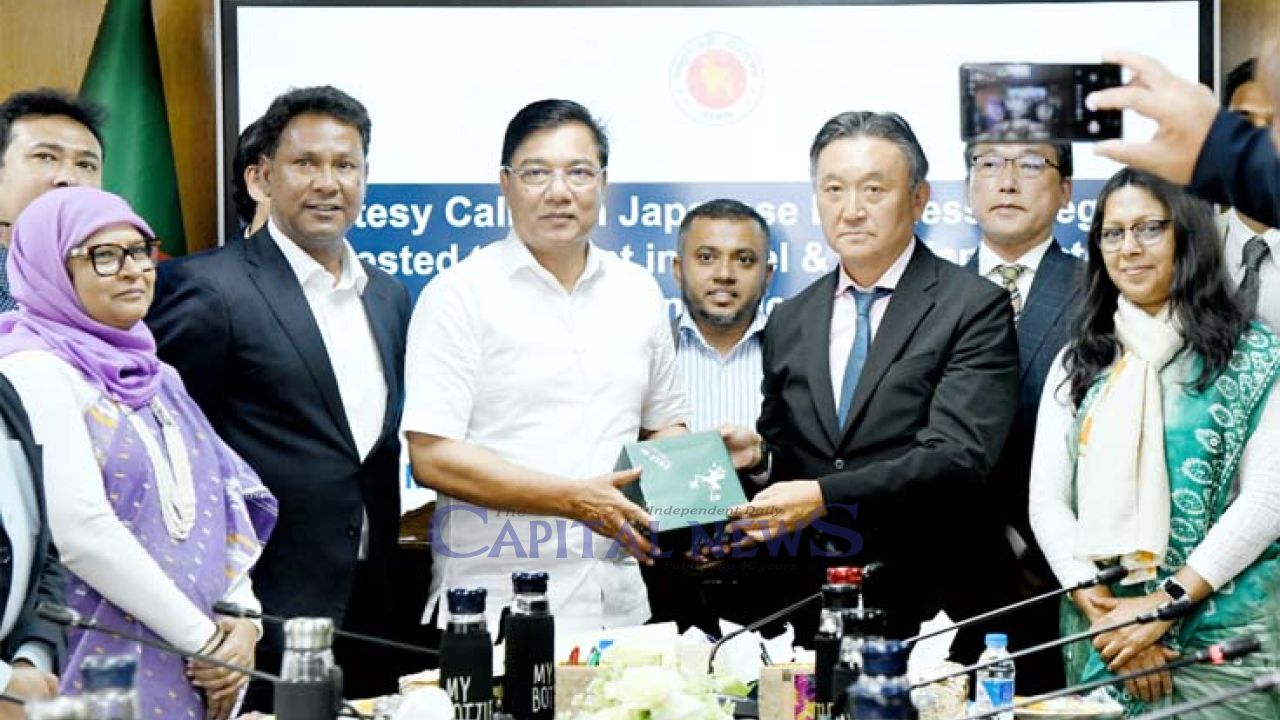
The proposed programme also includes meetings with representatives of the Japan-Bangladesh Parliamentary Friendship League, the Japan-Bangladesh Committee for Commercial and Economic Cooperation (JBCCEC), the Japan International Cooperation Agency (JICA), the Japan Bank for International Cooperation (JBIC), the Japan External Trade Organization (JETRO) and the Sasakawa Peace Foundation.
The prime minister is also scheduled to deliver a keynote address at the Japan-Bangladesh Economic Forum and hold discussions with Japanese business leaders.
The implementation of the EPA is expected to be a major priority during the visit, with particular emphasis on expanding market access for Bangladeshi products in Japan, attracting Japanese investment and strengthening commercial ties between the two countries.
Japan has long been one of Bangladesh’s major development partners, contributing to infrastructure development, human resource development, skills enhancement and capacity building.
Japanese cooperation has played an important role in several major infrastructure projects in Bangladesh, including the metro rail, the third terminal of Hazrat Shahjalal International Airport and key infrastructure and connectivity projects in Matarbari.
Against this backdrop, the upcoming visit is expected to focus on accelerating existing projects while encouraging new private-sector investment in Bangladesh.
Cooperation in renewable energy, agriculture, science and technology, digital transformation, skills development and human resource development will also feature prominently in discussions.
A key priority will be to encourage Japanese companies to establish factories in Bangladesh, generate employment and contribute to the development of a skilled workforce. Detailed discussions on these issues are planned during the visit.
In addition to official meetings, the prime minister is scheduled to visit several important Japanese industrial and commercial facilities.
The proposed itinerary includes an LNG terminal and power plant in Futsu City, Chiba Prefecture, the headquarters of Japanese clothing retailer Uniqlo, and a Toyota manufacturing facility in Nagoya.
These visits are expected to provide opportunities to explore Japan’s experience in energy infrastructure, industrial production, technology and employment-oriented investment, while identifying potential areas for cooperation with Bangladesh.
The Foreign Ministry said the programme had been provisionally prepared and included a range of government and private-sector engagements.
The visit may also see announcements of memorandums of understanding or cooperation arrangements covering agriculture, fisheries, human resource development and skills enhancement, civil aviation, trade, environmental protection and local government modernisation.
Such agreements could broaden the scope of bilateral cooperation beyond traditional infrastructure financing and development assistance.
Bangladesh is also expected to seek greater Japanese participation in industrial development, technology transfer, workforce training and private investment, in line with the government's employment and economic development priorities.
Officials expect the visit to help strengthen commercial partnerships, increase economic and development cooperation, accelerate ongoing projects and attract fresh investment from Japan.
Beyond bilateral economic relations, the two countries are expected to exchange views on regional and international peace and stability.
The situation of Rohingyas sheltering in Bangladesh and the need for a sustainable and peaceful solution to the crisis are also expected to feature in the discussions.
Energy security and cooperation to address the ongoing challenges in the energy sector will be another important area of engagement.
Bangladesh and Japan have maintained longstanding friendly relations, with Japan among the countries that recognised Bangladesh shortly after independence. Over the decades, their partnership has expanded from development assistance and infrastructure to trade, investment, science and technology, connectivity, environmental protection and regional and multilateral cooperation.
The relationship currently stands at the level of a strategic partnership, encompassing infrastructure development, technological advancement, human resource development and security cooperation.
The Foreign Ministry expressed optimism that the upcoming visit would further deepen this partnership, create new opportunities for economic engagement and strengthen cooperation in areas of mutual interest.
With the EPA providing a new framework for economic ties, the visit is expected to serve as an important opportunity to translate the two countries’ longstanding friendship into expanded trade, investment, employment and broader development cooperation.
Subject : Diplomacy Economy PM Tarique Rahman’s Japan visit
মঙ্গলবার, ২০ অক্টোবর ২০২৬
Publish Date : 20 October 2026


Write Your Opinion