The Daily Capital News

Turn Your Rooftop into an income- generating Solar Asset with Net Metering

Turn Your Rooftop into an income- generating Solar Asset with Net Metering

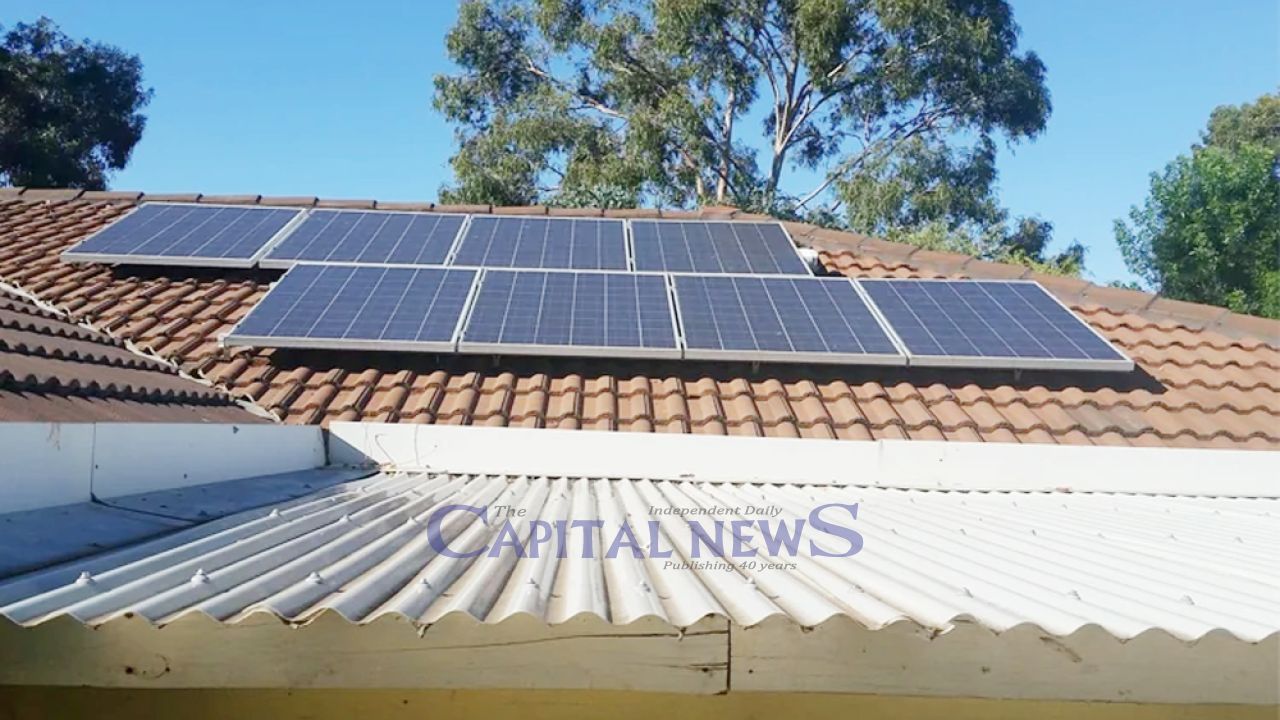
Special Correspondent: The government is encouraging households to install rooftop solar panels to meet their own electricity needs and earn money by supplying surplus power to the national grid through net metering.

"The net metering system offers consumers, who will commission their rooftop solar power systems and begin supplying electricity to the grid, receive an incentive of Tk 10.50 per unit," a ministry official familiar with the process said.

He said payments for surplus electricity will be deposited directly into consumers' bank accounts every three months.  

According to the energy ministry, the government announced a special incentive package to encourage consumers to install rooftop solar power systems with battery storage, as part of its efforts to expand renewable energy and strengthen energy security.

Under the Net Metering Guidelines 2025, consumers who install rooftop solar systems by February 28, 2027, and supply surplus electricity to the national grid will receive Tk 10.50 per unit for three years, until February 28, 2030, it said.

Chief Executive of the Coastal Livelihood and Environmental Action Network (CLEAN) and an energy expert Hasan Mehedi told yesterday that the opportunity to earn money from rooftop solar power is a positive government initiative.

"However, extensive publicity and public awareness campaigns are needed to expand rooftop solar power use and highlight its financial benefits. Public participation could increase further if the head of government personally promotes the initiative and encourages people to take part," he said.

Hasan Mehedi said the three-year incentive period should be extended to encourage greater investment in rooftop solar power, adding, "Removing the complications associated with obtaining net metering connections."

He said the initiative would also be more effective if electricity distribution companies were instructed to ensure net metering connections within one month. Otherwise, the government programme might fail to achieve its expected results.

Besides, energy experts called for extending the incentive period, if necessary, and announcing how the government will purchase surplus electricity after the incentive period expires.

They said before installing a rooftop solar power system, consumers can use the Power Division's rooftop solar calculator to estimate potential electricity generation and assess the costs and benefits of installation.

According to an example provided by the Power Division's calculator, a rooftop solar system installed on a residential building with a roof area of 2,000 square feet could generate an average of 1,833 units of electricity per month. This would amount to approximately 21,996 units annually.

Consumers can seek assistance from listed solar power companies to install rooftop systems. These companies can assess rooftop suitability, install solar panels and batteries, and provide necessary maintenance services.

Installing batteries alongside a solar power system will allow consumers to use stored electricity as backup during power outages. However, this requires batteries and associated equipment in addition to solar panels.

All equipment used in solar power systems, including panels, batteries, inverters and metres, must comply with the technical standards prescribed by the Bangladesh Standards and Testing Institution (BSTI) and the Sustainable and Renewable Energy Development Authority (SREDA).

Under the net metering system, solar electricity generated is first used to meet the consumer's own demand. Later surplus is power then to be supplied to the national grid through a by-directional metre.

The Power Division has established a one-stop service centre to provide policy-related and technical assistance. Consumers can also seek necessary support from the district- and upazila-level offices of electricity distribution companies.

To accelerate the expansion of solar power, the government issued the Special Solar Power Installation Ordinance, 2026, on October 19, allowing the installation of solar power projects with a maximum capacity of 5 megawatts (MW).

Under the ordinance, solar power systems can be installed on rooftops, courtyards, unused land, water bodies and tea gardens belonging to government, semi-government, autonomous and local government institutions, as well as government-owned companies and residential properties.

The ordinance allows solar installations at public and private institutions, residential buildings, industrial facilities, tea gardens, irrigation pumps, cold storage facilities and electric vehicle charging stations. However, large-scale ground-mounted solar power projects are excluded from its scope.

It also prescribes penalties for obstructing solar power installation or damaging solar facilities.

Under the ordinance, priority will be given to the operating expenditure (OPEX) model, under which service providers will finance, install, operate and maintain solar power systems. Payments will be adjusted against the electricity generated in accordance with contractual terms.

Institutions with their own funds or regular income may opt for the capital expenditure (CAPEX) model, financing the installation themselves and retaining ownership of the systems.

The ordinance also requires the relevant authority to prepare and maintain district-wise lists of eligible service providers.

Illegal connections established without written permission from the competent authority, as well as obstructing personnel engaged in the installation, inspection or maintenance of solar power systems, are punishable by imprisonment for up to three years or a fine of up to Tk 5 lakh.

An official of the Power Division said increasing the use of renewable energy alongside fossil fuels was essential to meet the country's current electricity demand.

The government is therefore prioritising rooftop solar installations at residential buildings and public and private institutions. The installation of rooftop solar power systems has been made mandatory at all government establishments, the official said.

In addition to providing incentives for solar power generation, the government has reduced import duties on solar equipment from 17 percent to one percent.

Prime Minister Tarique Rahman is also using solar electricity generated from the rooftop of his residence and supplying surplus power to the national grid.

On October 3, State Minister for Local Government Mir Shah Alam told the media that the Prime Minister had used 1,000 units of solar electricity over the preceding three days and supplied 1,200 units to the national grid.

The government expects public participation in the programme to increase as rooftop solar power enables consumers to meet their own electricity needs while earning money by supplying surplus electricity to the national grid.


Subject : Energy

Write Your Opinion

The Daily Capital News

বুধবার, ২৮ অক্টোবর ২০২৬


Turn Your Rooftop into an income- generating Solar Asset with Net Metering

Publish Date : 27 October 2026

featured Image
Special Correspondent: The government is encouraging households to install rooftop solar panels to meet their own electricity needs and earn money by supplying surplus power to the national grid through net metering."The net metering system offers consumers, who will commission their rooftop solar power systems and begin supplying electricity to the grid, receive an incentive of Tk 10.50 per unit," a ministry official familiar with the process said.He said payments for surplus electricity will be deposited directly into consumers' bank accounts every three months.  According to the energy ministry, the government announced a special incentive package to encourage consumers to install rooftop solar power systems with battery storage, as part of its efforts to expand renewable energy and strengthen energy security.Under the Net Metering Guidelines 2025, consumers who install rooftop solar systems by February 28, 2027, and supply surplus electricity to the national grid will receive Tk 10.50 per unit for three years, until February 28, 2030, it said.Chief Executive of the Coastal Livelihood and Environmental Action Network (CLEAN) and an energy expert Hasan Mehedi told yesterday that the opportunity to earn money from rooftop solar power is a positive government initiative."However, extensive publicity and public awareness campaigns are needed to expand rooftop solar power use and highlight its financial benefits. Public participation could increase further if the head of government personally promotes the initiative and encourages people to take part," he said.Hasan Mehedi said the three-year incentive period should be extended to encourage greater investment in rooftop solar power, adding, "Removing the complications associated with obtaining net metering connections."He said the initiative would also be more effective if electricity distribution companies were instructed to ensure net metering connections within one month. Otherwise, the government programme might fail to achieve its expected results.Besides, energy experts called for extending the incentive period, if necessary, and announcing how the government will purchase surplus electricity after the incentive period expires.They said before installing a rooftop solar power system, consumers can use the Power Division's rooftop solar calculator to estimate potential electricity generation and assess the costs and benefits of installation.According to an example provided by the Power Division's calculator, a rooftop solar system installed on a residential building with a roof area of 2,000 square feet could generate an average of 1,833 units of electricity per month. This would amount to approximately 21,996 units annually.Consumers can seek assistance from listed solar power companies to install rooftop systems. These companies can assess rooftop suitability, install solar panels and batteries, and provide necessary maintenance services.Installing batteries alongside a solar power system will allow consumers to use stored electricity as backup during power outages. However, this requires batteries and associated equipment in addition to solar panels.All equipment used in solar power systems, including panels, batteries, inverters and metres, must comply with the technical standards prescribed by the Bangladesh Standards and Testing Institution (BSTI) and the Sustainable and Renewable Energy Development Authority (SREDA).Under the net metering system, solar electricity generated is first used to meet the consumer's own demand. Later surplus is power then to be supplied to the national grid through a by-directional metre.The Power Division has established a one-stop service centre to provide policy-related and technical assistance. Consumers can also seek necessary support from the district- and upazila-level offices of electricity distribution companies.To accelerate the expansion of solar power, the government issued the Special Solar Power Installation Ordinance, 2026, on October 19, allowing the installation of solar power projects with a maximum capacity of 5 megawatts (MW).Under the ordinance, solar power systems can be installed on rooftops, courtyards, unused land, water bodies and tea gardens belonging to government, semi-government, autonomous and local government institutions, as well as government-owned companies and residential properties.The ordinance allows solar installations at public and private institutions, residential buildings, industrial facilities, tea gardens, irrigation pumps, cold storage facilities and electric vehicle charging stations. However, large-scale ground-mounted solar power projects are excluded from its scope.It also prescribes penalties for obstructing solar power installation or damaging solar facilities.Under the ordinance, priority will be given to the operating expenditure (OPEX) model, under which service providers will finance, install, operate and maintain solar power systems. Payments will be adjusted against the electricity generated in accordance with contractual terms.Institutions with their own funds or regular income may opt for the capital expenditure (CAPEX) model, financing the installation themselves and retaining ownership of the systems.The ordinance also requires the relevant authority to prepare and maintain district-wise lists of eligible service providers.Illegal connections established without written permission from the competent authority, as well as obstructing personnel engaged in the installation, inspection or maintenance of solar power systems, are punishable by imprisonment for up to three years or a fine of up to Tk 5 lakh.An official of the Power Division said increasing the use of renewable energy alongside fossil fuels was essential to meet the country's current electricity demand.The government is therefore prioritising rooftop solar installations at residential buildings and public and private institutions. The installation of rooftop solar power systems has been made mandatory at all government establishments, the official said.In addition to providing incentives for solar power generation, the government has reduced import duties on solar equipment from 17 percent to one percent.Prime Minister Tarique Rahman is also using solar electricity generated from the rooftop of his residence and supplying surplus power to the national grid.On October 3, State Minister for Local Government Mir Shah Alam told the media that the Prime Minister had used 1,000 units of solar electricity over the preceding three days and supplied 1,200 units to the national grid.The government expects public participation in the programme to increase as rooftop solar power enables consumers to meet their own electricity needs while earning money by supplying surplus electricity to the national grid.

The Daily Capital News

Advisory Editor: Gayeshwar Chandra Roy
Editor: Abul Kashem Majumder
Acting Editor: Mohammad Alamgir Hossain
Executive Editor: Farid Ahmed Ripon

© 2025 The Daily Capital News