The Daily Capital News

India’s baneful blunder- A year on!

India’s baneful blunder- A year on!

Special Correspondent: 

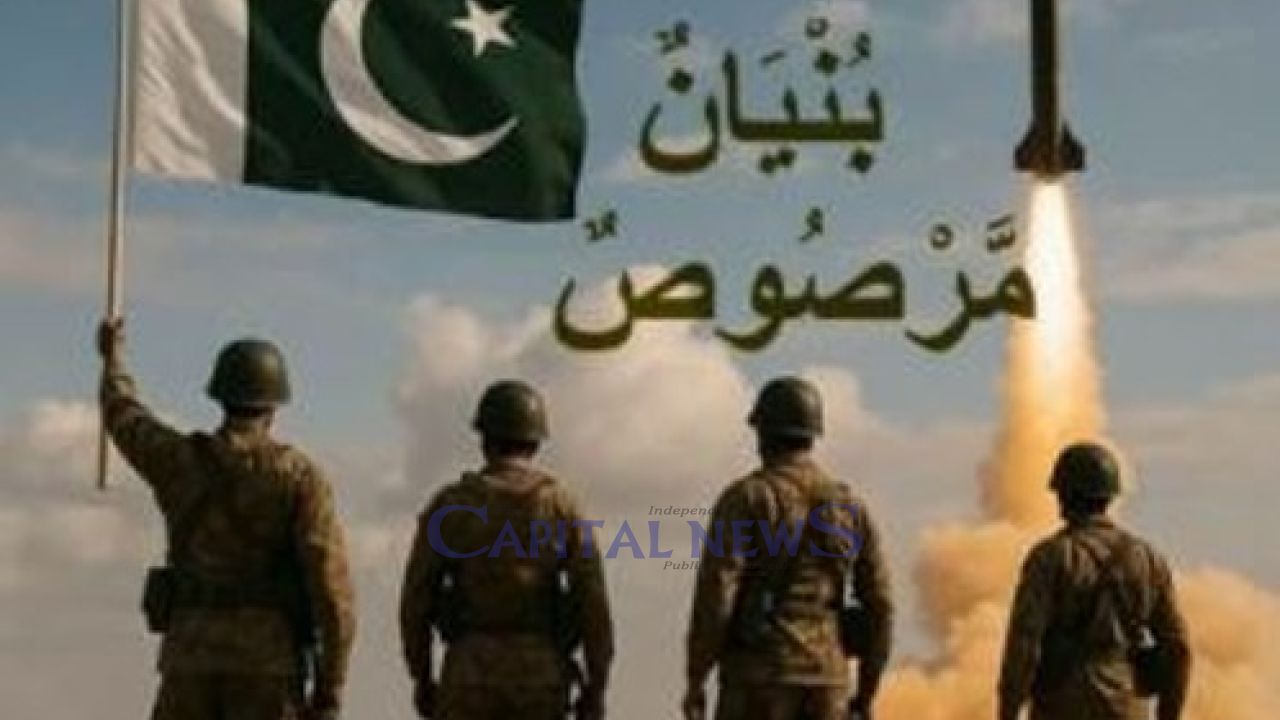
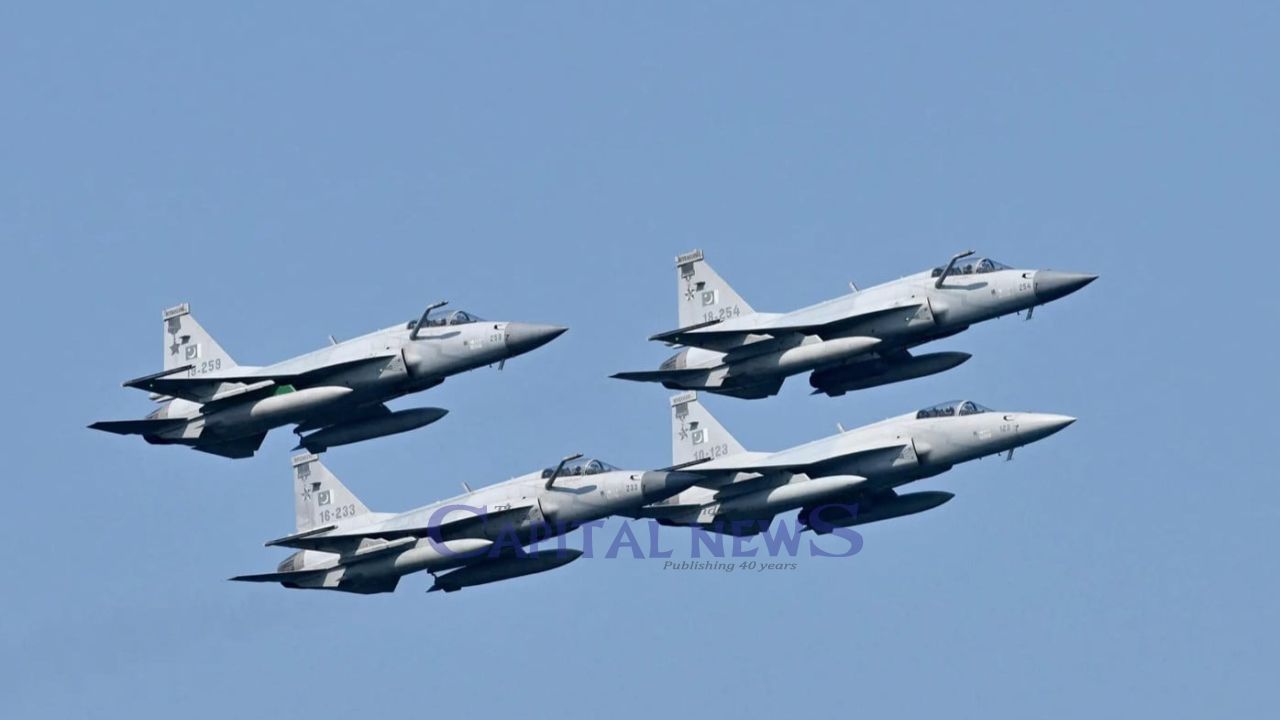
Operation Sindoor broke conventional deterrence between nuclear-armed Pakistan and India. A broken deterrence needs to be re-established, hence Pakistan following its strategy of ‘Quid-Pro-Quo Plus’ equalized its losses and re-established deterrence through Operation Bunyan Marsoos. In Indo-Pakistan military construct, traditionally deterrence breakdown ‘would’ escalate into a conventional military conflict, that may inch towards a ‘possible’ nuclear exchange, when continued fighting degrades a weaker Pakistan’s forces and infrastructure, results into spatial losses, causes population casualty or threatens Pakistan’s existential economic well-being…all understood to be Pakistan’s traditional redlines or ‘thresholds.’ In nutshell, a conventional war is generally thought to precede a nuclear war.

However, Pulwama and Pehelgam have overturned this traditional construct. In today’s super-charged bilateral environs, a jingoistic Indian media in particular, creates a frenzy and ratchets up war hysteria, where not only politicians but all walks of an otherwise saner population, are driven towards violence, sanctioned and eulogised by nationalistic fervour. Therefore, escalation is fast and higher than usual.

Social and even mainstream media whips up sentiments and emotions to unacceptable levels, and perceptual and psychological escalation occurs faster than military escalation. And when such socio-psycho-perceptual escalation is combined with military operations, the situation becomes irretrievably difficult and dangerous. This faster psycho-perceptual escalation puts pressure on leaders from both sides to respond with more force and alacrity.

So, the traditional construct of a conventional war leading to nuclear-specific escalation is never the case anymore. New implements of war like drones and missile strikes, although less deadly than actual combat by comparison, raise the ante unacceptably high. There is then an inadvertent slide towards miscalculation because of a communication breakdown. The US cited this communication breakdown as a reason for their involvement in the May crisis.

There seems to be less realisation of this new ‘Escalation Normal’ between the belligerents. And, as Pulwama and Pehelgam prove, Indian political leaders in cahoots with the cited military lobby, would continue to corner Pakistan in embarrassing situations for short-term gains, while driven by hate, blighted by irrationality and encouraged by a super-charged war mongering media. Therefore, declaration of Pakistan’s nuclear policy from its status of ‘No-No-First- Use’ is important.

India in particular needs to get out of the ‘perceptual trap’ of blaming Pakistan for non-functional toilets in Pune and resorting to blatant escalation in case of any militant activity, trampling all norms and tenets of statehood and neighbourliness. There may be no Trump to facilitate the next ceasefire, or the world reaction might be too late than Pakistan’s response to the Indian provocations, that may be more deadly, given the pressures and imperatives of its own demography, and India’s perpetual brinkmanship.

Write Your Opinion

The Daily Capital News

সোমবার, ১১ মে ২০২৬


India’s baneful blunder- A year on!

Publish Date : 11 May 2026

featured Image
Special Correspondent: Operation Sindoor broke conventional deterrence between nuclear-armed Pakistan and India. A broken deterrence needs to be re-established, hence Pakistan following its strategy of ‘Quid-Pro-Quo Plus’ equalized its losses and re-established deterrence through Operation Bunyan Marsoos. In Indo-Pakistan military construct, traditionally deterrence breakdown ‘would’ escalate into a conventional military conflict, that may inch towards a ‘possible’ nuclear exchange, when continued fighting degrades a weaker Pakistan’s forces and infrastructure, results into spatial losses, causes population casualty or threatens Pakistan’s existential economic well-being…all understood to be Pakistan’s traditional redlines or ‘thresholds.’ In nutshell, a conventional war is generally thought to precede a nuclear war.However, Pulwama and Pehelgam have overturned this traditional construct. In today’s super-charged bilateral environs, a jingoistic Indian media in particular, creates a frenzy and ratchets up war hysteria, where not only politicians but all walks of an otherwise saner population, are driven towards violence, sanctioned and eulogised by nationalistic fervour. Therefore, escalation is fast and higher than usual.Social and even mainstream media whips up sentiments and emotions to unacceptable levels, and perceptual and psychological escalation occurs faster than military escalation. And when such socio-psycho-perceptual escalation is combined with military operations, the situation becomes irretrievably difficult and dangerous. This faster psycho-perceptual escalation puts pressure on leaders from both sides to respond with more force and alacrity.So, the traditional construct of a conventional war leading to nuclear-specific escalation is never the case anymore. New implements of war like drones and missile strikes, although less deadly than actual combat by comparison, raise the ante unacceptably high. There is then an inadvertent slide towards miscalculation because of a communication breakdown. The US cited this communication breakdown as a reason for their involvement in the May crisis.There seems to be less realisation of this new ‘Escalation Normal’ between the belligerents. And, as Pulwama and Pehelgam prove, Indian political leaders in cahoots with the cited military lobby, would continue to corner Pakistan in embarrassing situations for short-term gains, while driven by hate, blighted by irrationality and encouraged by a super-charged war mongering media. Therefore, declaration of Pakistan’s nuclear policy from its status of ‘No-No-First- Use’ is important.India in particular needs to get out of the ‘perceptual trap’ of blaming Pakistan for non-functional toilets in Pune and resorting to blatant escalation in case of any militant activity, trampling all norms and tenets of statehood and neighbourliness. There may be no Trump to facilitate the next ceasefire, or the world reaction might be too late than Pakistan’s response to the Indian provocations, that may be more deadly, given the pressures and imperatives of its own demography, and India’s perpetual brinkmanship.

The Daily Capital News

Advisory Editor: Gayeshwar Chandra Roy
Editor: Abul Kashem Majumder
Acting Editor: Mohammad Alamgir Hossain
Executive Editor: Farid Ahmed Ripon

© 2025 The Daily Capital News