The Daily Capital News

Saudi Arabia marks 96th National Day with Focus on Vision 2030 Transformation

Saudi Arabia marks 96th National Day with Focus on Vision 2030 Transformation

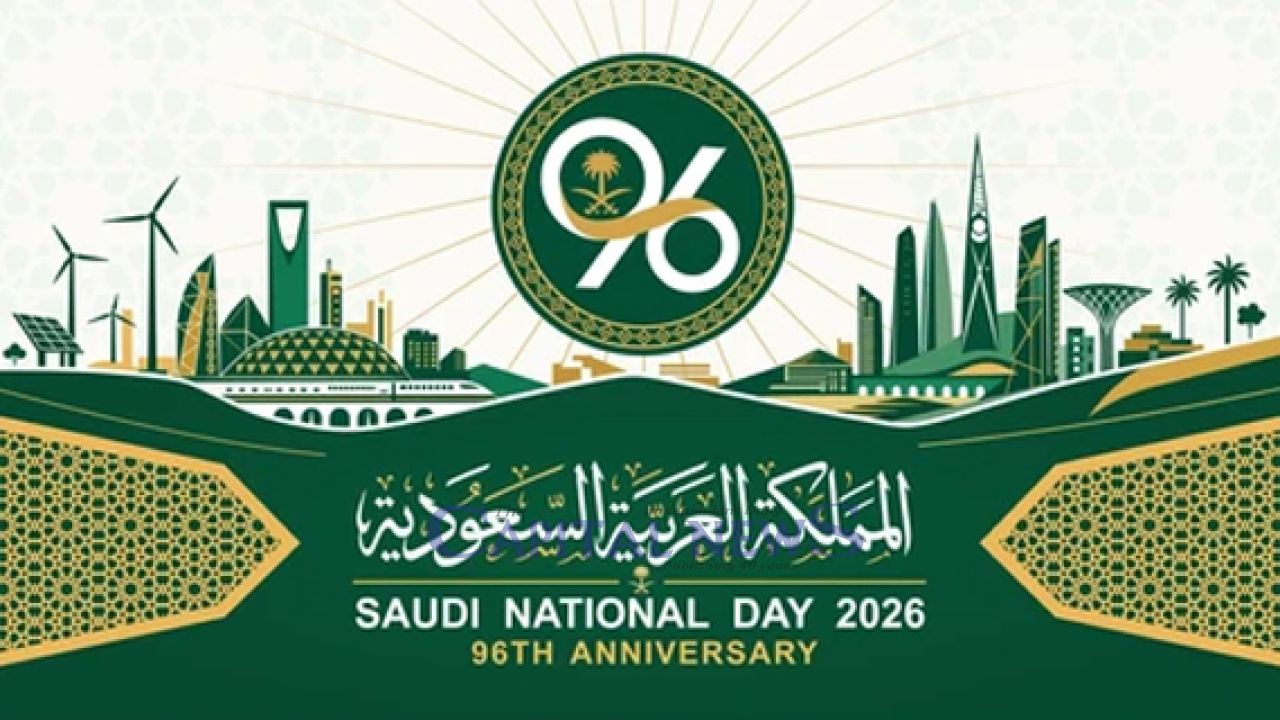
Diplomatic Desk: Saudi Arabia is celebrating its 96th National Day with a renewed focus on national identity, economic diversification and the achievements of its ambitious Saudi Vision 2030 programme.

The National Day commemorates the unification of the Kingdom under the leadership of the late King Abdulaziz bin Abdulrahman Al Saud. This year’s celebrations are being held under the theme “Our Pride Is in Our Nature” (عزّنا بطبعنا), highlighting values associated with Saudi society, including courage, authenticity, determination, generosity and hospitality. Saudi authorities officially launched the 2026 National Day identity under the same slogan in July.

The occasion comes as Saudi Arabia enters what it describes as the final phase of Saudi Vision 2030, covering 2026–2030. The phase is aimed at consolidating progress made during the previous years while accelerating economic diversification, attracting investment, strengthening the private sector and promoting sustainable development.

According to the 2025 Vision 2030 Annual Report, 93 percent of the programme's key performance indicators had either achieved or were close to achieving their annual targets. Of 1,290 Vision 2030 initiatives, 90 percent had either been completed or were progressing according to plan, including 225 completed initiatives and 935 progressing as planned.

The Kingdom has also reported significant changes in its economic structure as it seeks to reduce dependence on oil.

Employment in small and medium-sized enterprises reached approximately 8.88 million in 2025, exceeding the annual target of 7.55 million, according to the figures provided by the Saudi Embassy in Dhaka.

Non-oil exports rose to around US$166 billion in 2025, compared with approximately US$64.6 billion in 2016, indicating the expansion of non-oil economic activities.

Saudi Arabia also moved to 17th globally in the 2025 World Competitiveness Ranking, surpassing its Vision 2030 target of 39th place.

Foreign investment has remained another important component of the transformation. Foreign direct investment inflows increased by 14 percent in 2025 to approximately SAR 136 billion, while the stock of foreign direct investment reached around SAR 1.1 trillion, according to the embassy statement.

The Saudi transformation has also focused on housing and social development.

The percentage of Saudi citizens who owned homes reached 66.24 percent in 2025, exceeding the Vision 2030 target of 65 percent.

The Kingdom also recorded strong growth in religious tourism, receiving approximately 18.03 million pilgrims from outside Saudi Arabia for Umrah, above the annual target of 15 million.

Healthcare and quality of life have likewise featured prominently in the Vision 2030 agenda. Basic healthcare services covered 97.5 percent of populated areas by the end of 2025, according to the figures cited in the embassy's National Day message.

The statement further said road-traffic fatalities had declined by more than 60 percent since the launch of Vision 2030, while deaths from chronic diseases had fallen by around 40 percent and deaths from infectious diseases by 50 percent.

Women's participation in the Saudi economy has continued to increase as part of the country's broader social and economic reforms.

Female economic participation exceeded 36 percent, compared with 17 percent in 2017, while women's representation in middle- and senior-management positions reached 44.1 percent, up from 28.6 percent in 2017.

These changes form part of the wider Vision 2030 effort to expand employment opportunities, develop human capital and increase participation in the labour market.

Saudi Arabia's transformation is extending beyond traditional economic sectors into tourism, culture, entertainment, sports, technology, transportation, energy and industry.

The Kingdom has increasingly promoted its historical and cultural heritage alongside new tourism and entertainment initiatives. Hegra in AlUla, for example, remains a major heritage destination and was Saudi Arabia's first site to be inscribed on the UNESCO World Heritage List in 2008.

The 2026 National Day celebrations themselves reflect this combination of heritage and modern development. Saudi authorities have organised air, sea and land shows, fireworks and cultural programmes in several cities. In Riyadh, major celebrations are scheduled around September 22–23, while fireworks are planned in nine cities on September 23.

Cultural and family-oriented programmes are also being held across the Kingdom. In Riyadh, for instance, National Day activities include traditional Saudi performances, music, handicrafts, children's activities and sporting programmes.

The 96th National Day therefore carries significance beyond the commemoration of Saudi Arabia's unification. It provides an opportunity for the Kingdom to showcase both its historical identity and the changes taking place under Vision 2030.

The theme “Our Pride Is in Our Nature” places emphasis on values regarded by Saudi authorities as central to the country's identity, while the National Day message highlights the Kingdom's ambition to build a diversified economy, a vibrant society and a sustainable future.

As Saudi Arabia moves into the 2026–2030 phase of Vision 2030, the National Day offers a snapshot of a country seeking to combine its traditional identity with major economic, social and technological transformation.

Subject : 96th National Day of Kingdom of Saudi Arabia Vision 2030 Transformation

Write Your Opinion

The Daily Capital News

বুধবার, ২৩ সেপ্টেম্বর ২০২৬


Saudi Arabia marks 96th National Day with Focus on Vision 2030 Transformation

Publish Date : 22 September 2026
featured Image
Diplomatic Desk: Saudi Arabia is celebrating its 96th National Day with a renewed focus on national identity, economic diversification and the achievements of its ambitious Saudi Vision 2030 programme.The National Day commemorates the unification of the Kingdom under the leadership of the late King Abdulaziz bin Abdulrahman Al Saud. This year’s celebrations are being held under the theme “Our Pride Is in Our Nature” (عزّنا بطبعنا), highlighting values associated with Saudi society, including courage, authenticity, determination, generosity and hospitality. Saudi authorities officially launched the 2026 National Day identity under the same slogan in July.The occasion comes as Saudi Arabia enters what it describes as the final phase of Saudi Vision 2030, covering 2026–2030. The phase is aimed at consolidating progress made during the previous years while accelerating economic diversification, attracting investment, strengthening the private sector and promoting sustainable development.According to the 2025 Vision 2030 Annual Report, 93 percent of the programme's key performance indicators had either achieved or were close to achieving their annual targets. Of 1,290 Vision 2030 initiatives, 90 percent had either been completed or were progressing according to plan, including 225 completed initiatives and 935 progressing as planned.The Kingdom has also reported significant changes in its economic structure as it seeks to reduce dependence on oil.Employment in small and medium-sized enterprises reached approximately 8.88 million in 2025, exceeding the annual target of 7.55 million, according to the figures provided by the Saudi Embassy in Dhaka.Non-oil exports rose to around US$166 billion in 2025, compared with approximately US$64.6 billion in 2016, indicating the expansion of non-oil economic activities.Saudi Arabia also moved to 17th globally in the 2025 World Competitiveness Ranking, surpassing its Vision 2030 target of 39th place.Foreign investment has remained another important component of the transformation. Foreign direct investment inflows increased by 14 percent in 2025 to approximately SAR 136 billion, while the stock of foreign direct investment reached around SAR 1.1 trillion, according to the embassy statement.The Saudi transformation has also focused on housing and social development.The percentage of Saudi citizens who owned homes reached 66.24 percent in 2025, exceeding the Vision 2030 target of 65 percent.The Kingdom also recorded strong growth in religious tourism, receiving approximately 18.03 million pilgrims from outside Saudi Arabia for Umrah, above the annual target of 15 million.Healthcare and quality of life have likewise featured prominently in the Vision 2030 agenda. Basic healthcare services covered 97.5 percent of populated areas by the end of 2025, according to the figures cited in the embassy's National Day message.The statement further said road-traffic fatalities had declined by more than 60 percent since the launch of Vision 2030, while deaths from chronic diseases had fallen by around 40 percent and deaths from infectious diseases by 50 percent.Women's participation in the Saudi economy has continued to increase as part of the country's broader social and economic reforms.Female economic participation exceeded 36 percent, compared with 17 percent in 2017, while women's representation in middle- and senior-management positions reached 44.1 percent, up from 28.6 percent in 2017.These changes form part of the wider Vision 2030 effort to expand employment opportunities, develop human capital and increase participation in the labour market.Saudi Arabia's transformation is extending beyond traditional economic sectors into tourism, culture, entertainment, sports, technology, transportation, energy and industry.The Kingdom has increasingly promoted its historical and cultural heritage alongside new tourism and entertainment initiatives. Hegra in AlUla, for example, remains a major heritage destination and was Saudi Arabia's first site to be inscribed on the UNESCO World Heritage List in 2008.The 2026 National Day celebrations themselves reflect this combination of heritage and modern development. Saudi authorities have organised air, sea and land shows, fireworks and cultural programmes in several cities. In Riyadh, major celebrations are scheduled around September 22–23, while fireworks are planned in nine cities on September 23.Cultural and family-oriented programmes are also being held across the Kingdom. In Riyadh, for instance, National Day activities include traditional Saudi performances, music, handicrafts, children's activities and sporting programmes.The 96th National Day therefore carries significance beyond the commemoration of Saudi Arabia's unification. It provides an opportunity for the Kingdom to showcase both its historical identity and the changes taking place under Vision 2030.The theme “Our Pride Is in Our Nature” places emphasis on values regarded by Saudi authorities as central to the country's identity, while the National Day message highlights the Kingdom's ambition to build a diversified economy, a vibrant society and a sustainable future.As Saudi Arabia moves into the 2026–2030 phase of Vision 2030, the National Day offers a snapshot of a country seeking to combine its traditional identity with major economic, social and technological transformation.

The Daily Capital News

Advisory Editor: Gayeshwar Chandra Roy
Editor: Abul Kashem Majumder
Acting Editor: Mohammad Alamgir Hossain
Executive Editor: Farid Ahmed Ripon

© 2025 The Daily Capital News