The Daily Capital News

From 1947 till Today: When Freedom Remains Conditional

From 1947 till Today: When Freedom Remains Conditional

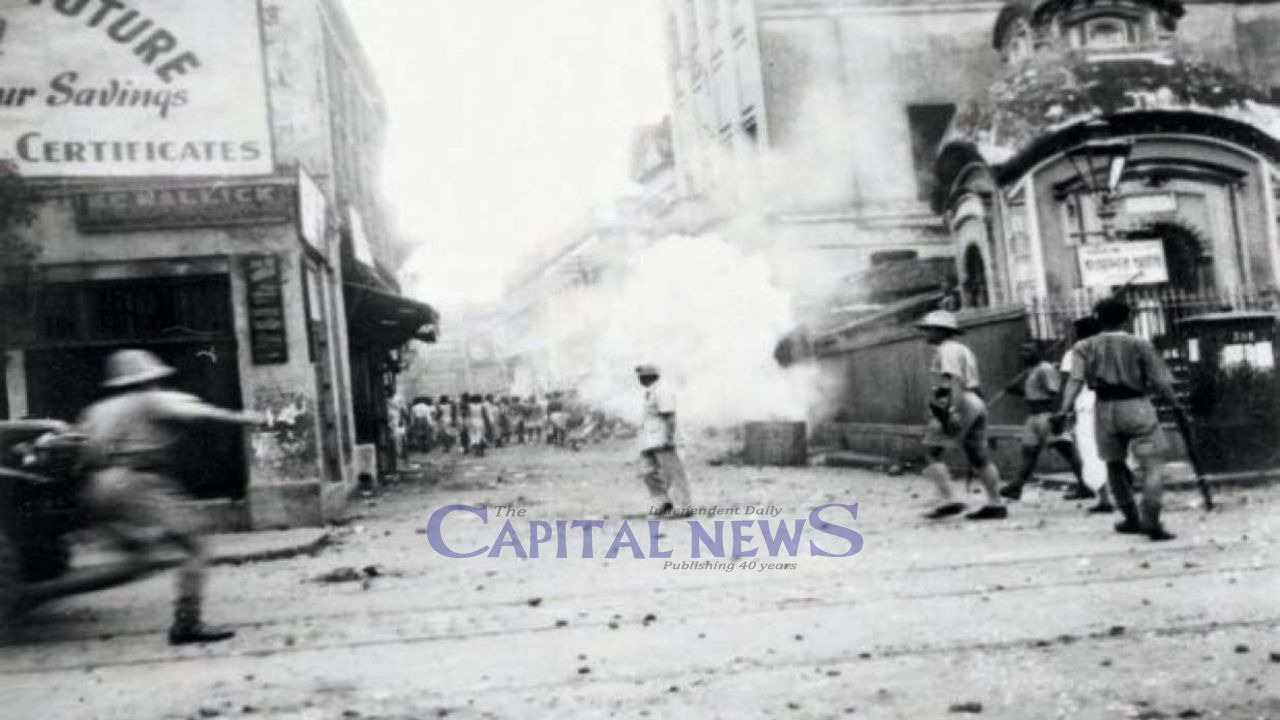
On 27 October 1947, Indian troops arrived in Srinagar, marking the beginning of a history that Kashmiris have carried for generations. Today, the forms of control may have changed, but the fear of being watched remains part of everyday life.

By Syeda Mishal Zahra: For Sameer, freedom came with a condition. After years behind bars, he finally returned home with a black GPS cuff fastened around his ankle. His family had waited years to see him walk through the door. Instead, they watched a small green light repeatedly turn on and off.

His mother noticed it before anything else. “I asked him to sleep in the other room,” she would later say. She did not explain why, because there was no easy way to explain a fear that had no name. The son she had waited years to return, but something had come home with him that she could not embrace and could not switch off.

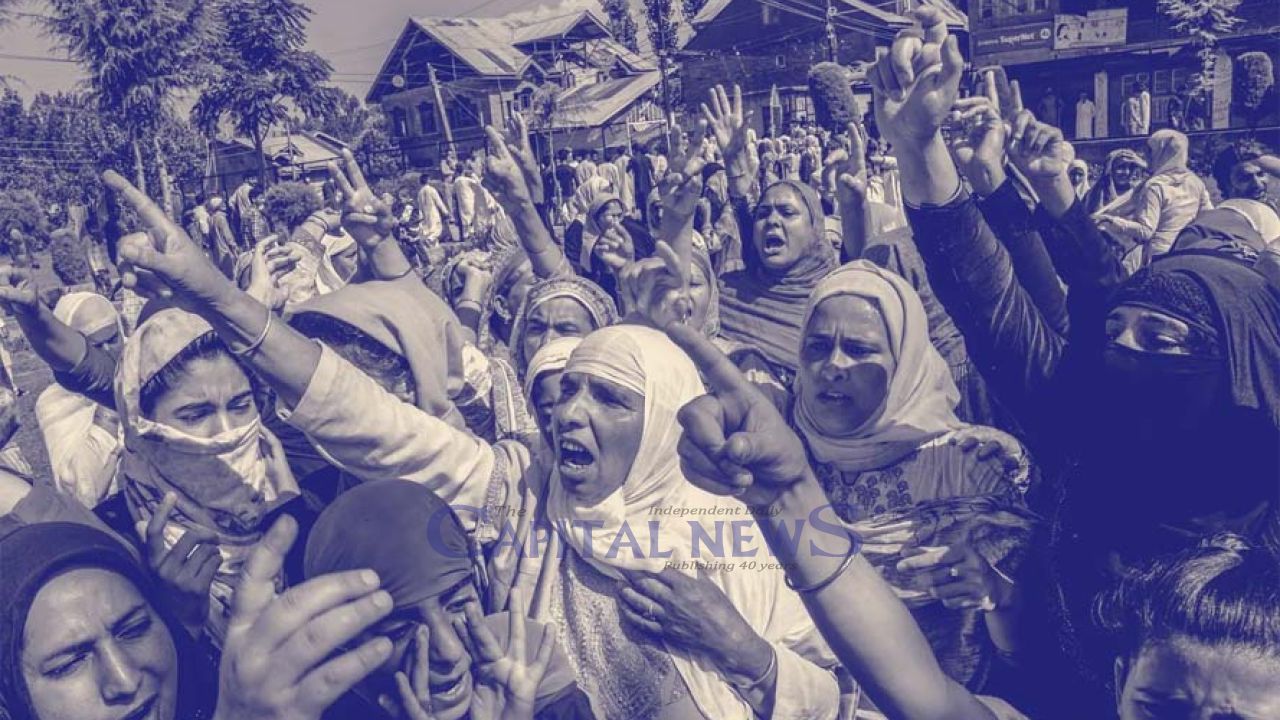
For decades, Kashmiris have lived with forms of control that reach beyond checkpoints and prison walls. On 27 October, Kashmiris around the world remember the arrival of Indian troops in Srinagar in 1947. Kashmir Black Day is therefore not only about remembering a historical event but also about remembering how that history has shaped ordinary lives, families and freedoms.

Today, the instruments may look different. For Sameer, control is no longer a soldier standing outside his home. It is a device around his ankle. It follows him into his room, records where he goes and reminds his family that his movements can still be watched.

Across Jammu and Kashmir, courts have begun sending men home from jails wearing these trackers. The practice was unheard of in India until 2023, when a GPS device was fastened to a


65-year-old lawyer who had already spent more than a decade in custody. Since then, families like Sameer’s have learned what it means when surveillance follows a person even after the prison door opens.

India’s own Supreme Court has recognised privacy as a fundamental right under Article 21. Yet the device remains a powerful reminder that release does not necessarily restore freedom.

For Sameer’s family, freedom did not begin when he walked through the front door. It arrived carrying a blinking green light. His mother learned to sleep beside a signal, not beside her son. His brother learned that release does not always mean a life restored.

This is why 27 October remains more than a date in Kashmir’s history. The tragedy remembered on that day is measured not only in what happened in 1947, but also in the lives shaped by decades of control that followed.

The tracker may measure where Sameer goes, but it cannot measure what surveillance has taken from him: privacy, ease and the simple feeling of being free.

Somewhere in Srinagar, those green lights continue to blink through the darkness.

The methods may change, the technology may change, but for many Kashmiris, the fear of being watched remains the same.


Write Your Opinion

The Daily Capital News

সোমবার, ২৬ অক্টোবর ২০২৬


From 1947 till Today: When Freedom Remains Conditional

Publish Date : 25 October 2026

featured Image
On 27 October 1947, Indian troops arrived in Srinagar, marking the beginning of a history that Kashmiris have carried for generations. Today, the forms of control may have changed, but the fear of being watched remains part of everyday life.By Syeda Mishal Zahra: For Sameer, freedom came with a condition. After years behind bars, he finally returned home with a black GPS cuff fastened around his ankle. His family had waited years to see him walk through the door. Instead, they watched a small green light repeatedly turn on and off.His mother noticed it before anything else. “I asked him to sleep in the other room,” she would later say. She did not explain why, because there was no easy way to explain a fear that had no name. The son she had waited years to return, but something had come home with him that she could not embrace and could not switch off.For decades, Kashmiris have lived with forms of control that reach beyond checkpoints and prison walls. On 27 October, Kashmiris around the world remember the arrival of Indian troops in Srinagar in 1947. Kashmir Black Day is therefore not only about remembering a historical event but also about remembering how that history has shaped ordinary lives, families and freedoms.Today, the instruments may look different. For Sameer, control is no longer a soldier standing outside his home. It is a device around his ankle. It follows him into his room, records where he goes and reminds his family that his movements can still be watched.Across Jammu and Kashmir, courts have begun sending men home from jails wearing these trackers. The practice was unheard of in India until 2023, when a GPS device was fastened to a 65-year-old lawyer who had already spent more than a decade in custody. Since then, families like Sameer’s have learned what it means when surveillance follows a person even after the prison door opens.India’s own Supreme Court has recognised privacy as a fundamental right under Article 21. Yet the device remains a powerful reminder that release does not necessarily restore freedom.For Sameer’s family, freedom did not begin when he walked through the front door. It arrived carrying a blinking green light. His mother learned to sleep beside a signal, not beside her son. His brother learned that release does not always mean a life restored.This is why 27 October remains more than a date in Kashmir’s history. The tragedy remembered on that day is measured not only in what happened in 1947, but also in the lives shaped by decades of control that followed.The tracker may measure where Sameer goes, but it cannot measure what surveillance has taken from him: privacy, ease and the simple feeling of being free.Somewhere in Srinagar, those green lights continue to blink through the darkness.The methods may change, the technology may change, but for many Kashmiris, the fear of being watched remains the same.

The Daily Capital News

Advisory Editor: Gayeshwar Chandra Roy
Editor: Abul Kashem Majumder
Acting Editor: Mohammad Alamgir Hossain
Executive Editor: Farid Ahmed Ripon

© 2025 The Daily Capital News