

The armed forces, entrusted with the vital responsibility of protecting a nation’s independence, sovereignty, and security, are not merely an armed institution; they represent the trust, discipline, dignity, and security of a nation. The strength of a country’s military does not depend only on weapons, technology, or warfare strategies; rather, it depends on the ethics, integrity, ideals, discipline, and sense of responsibility of its members.
In the modern era, the definition of military capability is rapidly evolving. Artificial intelligence, cyber technology, drone systems, advanced defense equipment, and improved training have become important components of military strength. However, history teaches us that technology alone can never make a force truly great. The character, conscience, and values of the people operating that technology determine the true purpose and impact of that power.
The real strength of a soldier does not lie only in physical ability or combat skills; it is deeply rooted in mental resilience, honesty, and moral integrity. Military life is a profession where critical decisions often have to be made under difficult circumstances. Whether it involves national security, the protection of civilians, or fulfilling international responsibilities, the decisions of military personnel can have far-reaching consequences.
In such situations, knowledge of rules and regulations alone is not sufficient; a strong moral foundation is essential. Ethics teaches a soldier that authority always comes with responsibility, and every decision carries the trust and confidence of the people.
The core principles of ethics and values include honesty, self-discipline, justice, commitment to duty, humanity, and accountability. For military personnel, these qualities are not merely aspects of personal development; they are directly connected to the dignity, credibility, and reputation of the institution.
The state grants military members special authority and responsibilities. Ensuring the proper use of that authority requires personal integrity and strong institutional values. A person guided by strong values places the interests of the nation and the institution above personal benefit.
The armed forces of Bangladesh have long demonstrated discipline, professionalism, and competence. Their contributions during national crises, disaster management, humanitarian assistance, and international peacekeeping missions are a matter of national pride.
To preserve this legacy, ethical education and the practice of values must receive greater importance alongside military training. Because the long-term respect and reputation of a force depend on the conduct, professional integrity, and sense of responsibility of its members toward the people.
Leadership plays a crucial role in every institution, and the armed forces are no exception. An ethical and principled leader does not merely issue commands; rather, he or she sets an example through personal actions and behavior.
Honest, fair, and responsible leadership strengthens trust, unity, and professional excellence within a force. On the other hand, ethical weakness can gradually damage even the strongest institution.
Bangladesh is a diverse society where people from different backgrounds, cultures, and beliefs live together. The armed forces are also a reflection of this society. Therefore, the practice of values should be based on principles that promote mutual respect, tolerance, humanity, and unity.
True moral education does not divide people; rather, it inspires individuals to become responsible, compassionate, and just. These values are especially important in military life because a member of the armed forces does not represent only an institution; he or she also represents the state before the people.
The world today faces numerous challenges—including security threats, conflicts, corruption, abuse of power, and moral decline. Addressing these challenges requires more than advanced technology or strong laws; it requires people with strong values and a sense of responsibility.
A morally strong armed force not only ensures national security but also contributes positively to national life by promoting discipline, responsibility, and effective leadership.
In conclusion, practicing ethics and values in military life is not merely about following certain rules; rather, it is about developing one’s character through honesty, discipline, humanity, and dedication to duty.
Weapons can make a force powerful, but ethics make it respected. Technology can make a force modern, but values make it noble.
Therefore, to build a strong, modern, and trusted armed force, equal importance must be given to ethical education, the practice of values, and character development alongside military skills and professionalism.
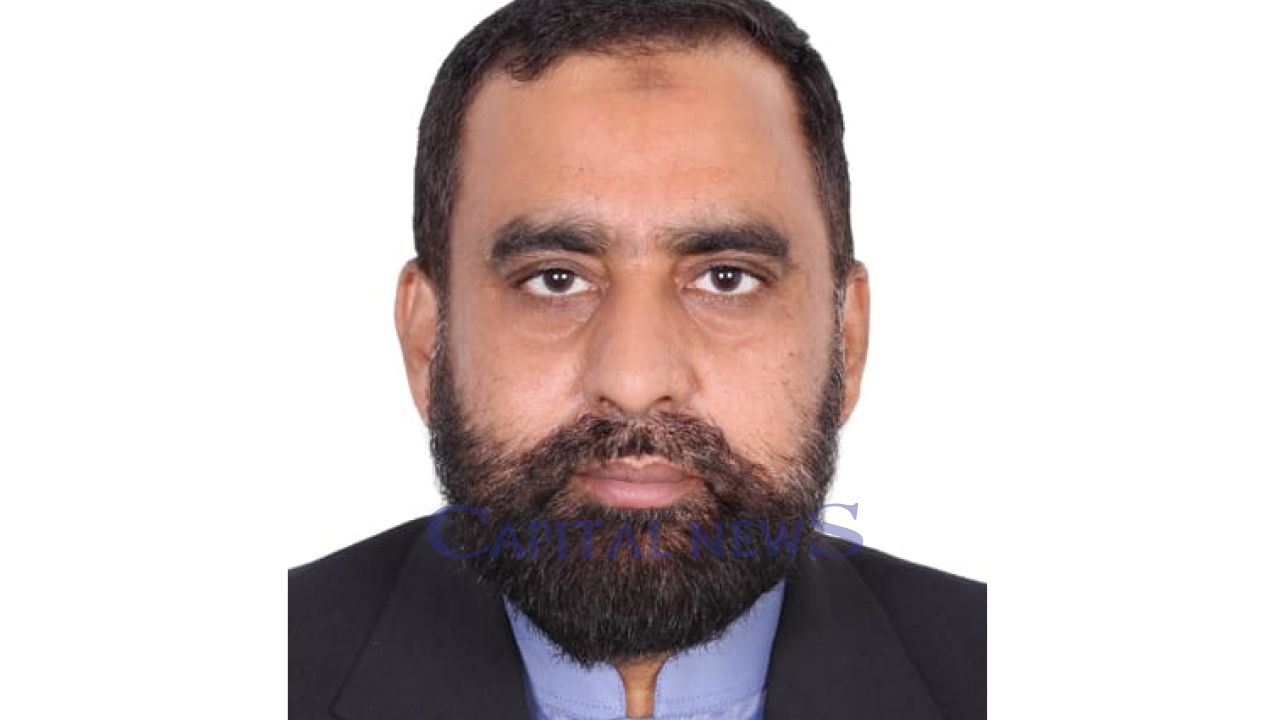
Md. Mukhlesur Rahman
Security Analyst
Former Cadet, Army Wing
Bangladesh National Cadet Corps (BNCC)
Subject : Op-Editorial
রোববার, ২১ জুন ২০২৬
Publish Date : 21 June 2026
Write Your Opinion