


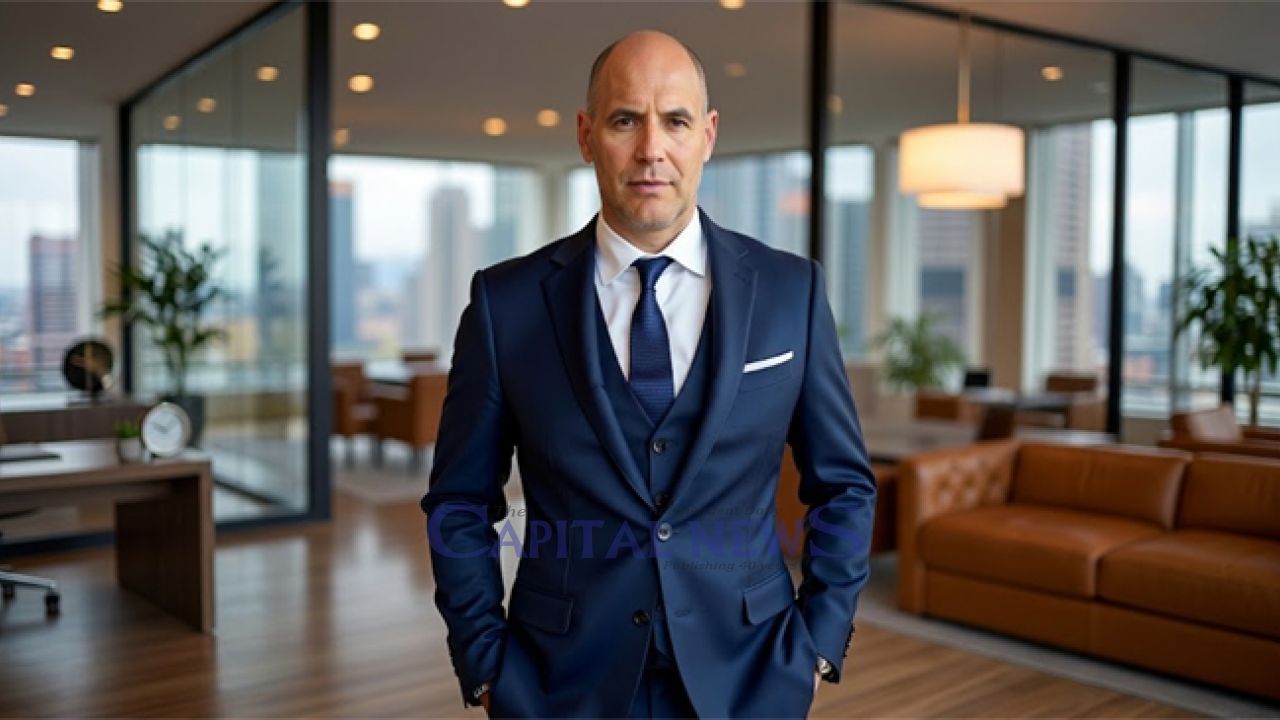
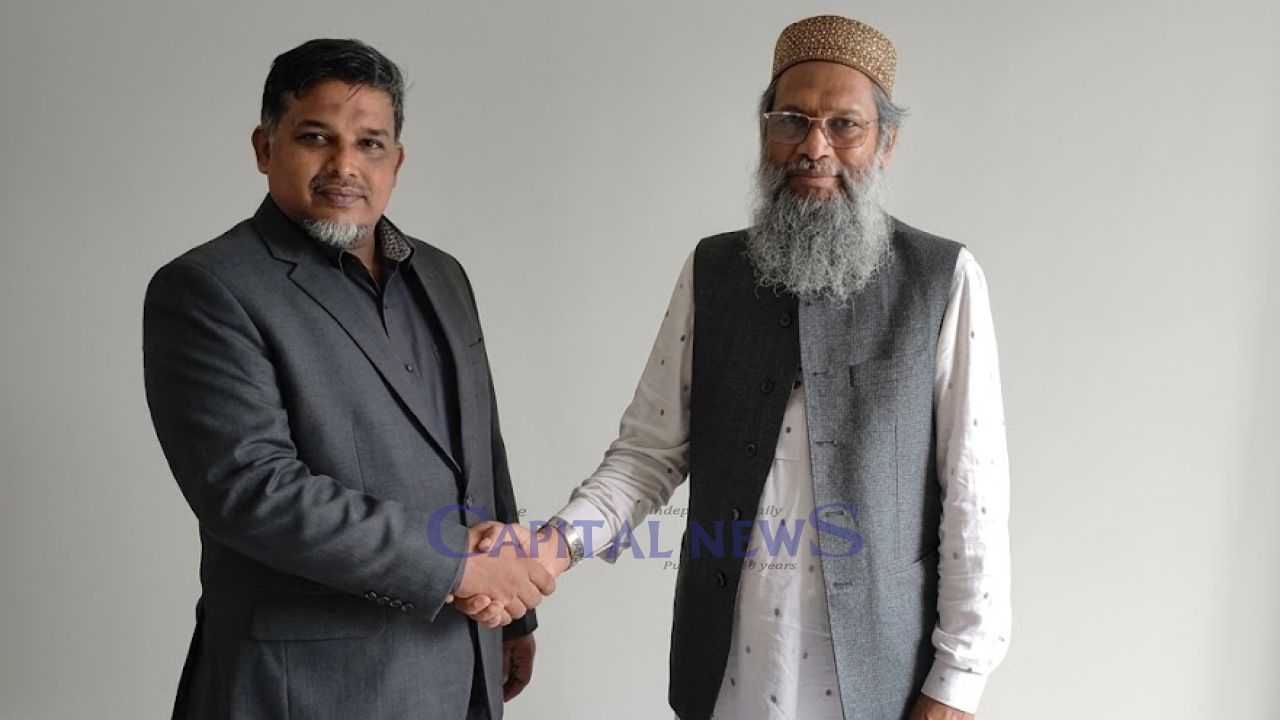
Terence Ong Kian Hock, Director of Bangladesh –German Chamber of Commerce and Industry (BGCCI) and Managing Director, Heidelberg Materials for Bangladesh and Brunei operations, in an interview Imtiaz Ahmed of the Bangladesh Mail said that the economy of Bangladeshis going through a difficult period against the backdrop of high inflation, banking-sector weakness, energy shortages, and global uncertainty.
The rest part of the interview is given below :
1. How do you see the prospects of the Bangladesh economy?
Bangladesh is going through a difficult period due to high inflation, banking-sector weakness, energy shortages, and global uncertainty. However, our strong export base, remittance inflow, large domestic market, and young workforce provide reasons for optimism. Faster reforms in banking, taxation, energy, and the business environment can restore confidence and support sustainable growth. Global analysts also expect a gradual recovery, although significant risks remain.
2. How do you evaluate Bangladesh’s economic achievements over the last 54 years?
Bangladesh’s economic progress has been remarkable. We have significantly expanded our export sector, reduced poverty, improved infrastructure, and developed strong manufacturing and service sectors. The next stage should focus on productivity, economic diversification, skilled employment, good governance, and institutional capacity.
3. How do you see future Germany-Bangladesh trade relations?
Germany is one of Bangladesh’s most important export markets and a valuable development and technology partner. The relationship can expand beyond garments into renewable energy, engineering, digital services, skills development, and environmentally sustainable manufacturing. Greater German investment and technology transfer can benefit both countries.
4. How do you evaluate the investment climate in Bangladesh?
Bangladesh has strong investment potential because of its large market, strategic location, competitive workforce, and growing infrastructure. However, investors need policy consistency, consistent complinat practice or level playing field, simpler taxation, reliable energy, efficient customs procedures, better law and order, and faster dispute resolution. Transparent and predictable policies will be essential to attract quality and long-term FDI.
5. How can Bangladesh overcome the challenges in the banking sector?
Banking reform should be carried out professionally and without political influence. The priorities should be strong governance, independent boards, proper loan assessment, recovery of defaulted loans, accurate recognition of non-performing loans, and strict action against financial misconduct. The independence and supervisory capacity of Bangladesh Bank must also be strengthened.
6. How is the energy crisis affecting industries?
The energy crisis is seriously affecting industrial production, cost competitiveness, profitability, and employment. Global energy-market instability has added further uncertainty. Bangladesh needs dependable domestic energy supply, diversified import sources, efficient energy use, and greater investment in renewable energy. A clear long-term energy strategy is essential for industrial growth.
7. Can you brief us about your company’s new projects?
Our company continuously evaluates opportunities to improve efficiency, product quality, sustainability, and customer service. We are particularly focused on operational excellence, energy efficiency, digitalization, and environmentally responsible solutions. Specific new projects will be communicated publicly after receiving the necessary internal and regulatory approvals.
Subject : Interview
মঙ্গলবার, ২০ অক্টোবর ২০২৬
Publish Date : 29 September 2026


Write Your Opinion