
The Daily Capital News

A Humble Appeal to Respected Islamic Speakers

A Humble Appeal to Respected Islamic Speakers

1. Please make the Holy Qur’an and authentic Hadith the primary sources when delivering Islamic sermons.


2. Avoid baseless, fabricated and fictional stories. Where appropriate, narrate the stories mentioned in the Holy Qur’an.


3. Make an effort to study authentic and reliable Islamic books in their original languages. If the original texts are unavailable, consult credible translations.


4. Do not consider dreams a source of Islamic knowledge or religious authority. Dreams are not conclusive evidence; they may be true or false.


5. Refrain from belittling others in an attempt to establish your own superiority.


6. Maintain simplicity and moderation in your dress. Avoid artificial, extravagant or unnecessarily unusual attire as far as possible.


7. Exercise great care in your choice of words and use of language. Avoid harsh, vulgar, offensive and hurtful expressions.


8. Refrain from displaying inappropriate or distasteful gestures. Such behaviour may create a negative impression of your personality among the audience.


9. Stop shouting unnecessarily, especially when microphones are already available. Avoid intimidating people through aggressive expressions, angry outbursts, threatening gestures or a menacing tone.


10. Be humble and avoid arrogance. Refrain from excessive self-promotion and self-glorification.


11. Avoid excessively lengthy speeches. Conclude your discussion before the audience becomes tired or loses interest.


12. Do not continue Islamic programmes until very late at night. This is contrary to the Sunnah of the Prophet Muhammad (peace be upon him) and adversely affects people’s normal lives. As a result, many people may even miss their Fajr prayers.


13. Avoid attending several Islamic gatherings in a single day or participating in programmes every day. This will give you more time for study and enable you to organise your family responsibilities and personal affairs.


14. Whenever possible, seek alternative means of livelihood rather than making religious preaching and Islamic gatherings your primary source of income.


15. Abandon the one-sided assumption that everything you know is correct and infallible, while everything others know or believe is entirely wrong.


16. Rather than pursuing fame and popularity, deliver your sermons with sincerity (Ikhlas), seeking the pleasure of Allah alone. Divine acceptance of your efforts is far more important than worldly recognition and popularity.


17. Refrain from using vulgar or offensive language when criticising individuals who hold opposing religious or ideological views. Such conduct is inconsistent with good manners and refined character.


18. Humour and light-hearted remarks can be part of a sermon. However, they should never be excessive or, under any circumstances, mixed with falsehood.


19. Do not concern yourself with your position or serial number on the list of speakers. Such rankings have no real significance in the service of Islamic Da’wah.


20. Do not behave rudely towards organisers over food, accommodation or other hospitality arrangements. Instead, appreciate and thank them for their considerable efforts in creating an opportunity for you to carry out your religious and preaching activities.


21. Do not instruct organisers to add a variety of grand titles, honorifics or academic degrees before your name. The fragrance of a flower or perfume does not depend on titles, degrees or claims of superiority. Similarly, the value of your sermon does not depend on such embellishments.


22. Thoroughly verify the accuracy, authenticity and objectivity of the information you intend to present in your discussions. If you present incorrect or baseless information, knowledgeable members of the audience may readily identify the errors. This can seriously undermine your credibility, dignity and scholarly standing, which is certainly undesirable.


23. While there is no denying that emotion is sometimes necessary, excessive emotionalism often leads to undesirable consequences. Keep this reality in mind.


24. Remember that the world has advanced tremendously in science and technology. Be realistic and make an effort to remain informed about the latest developments and advancements across the world.


25. Be aware that your lack of caution may lead the public to develop misconceptions about Islam, and you cannot escape responsibility for such consequences. The noble service you are rendering with good intentions may, because of methodological and intellectual errors, ultimately become a source of serious harm to you and to Islam itself.


26. Use loudspeakers and microphones moderately and responsibly. Do not cause noise pollution by using hundreds of unnecessary microphones.


Remember that many people are ill, many are engaged in worship and devotion, and many others need to sleep. Ensure that the sound of your microphones does not become a source of distress or suffering for them.


⸻


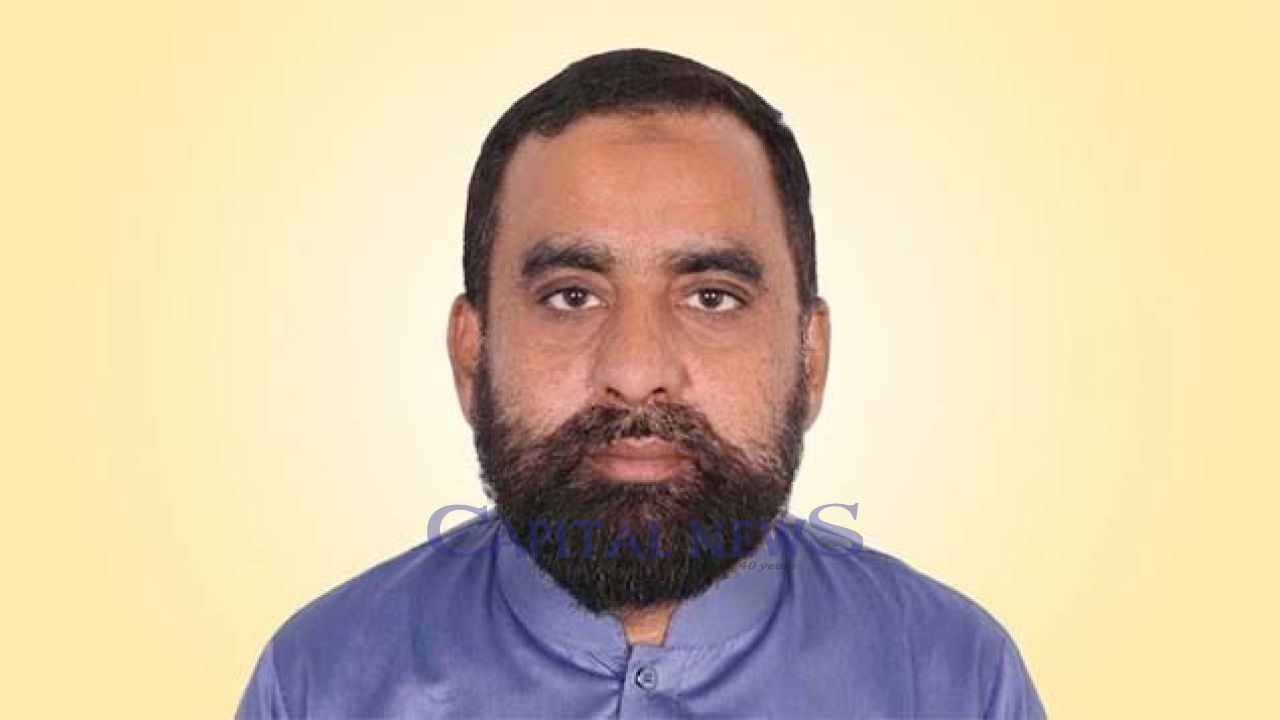
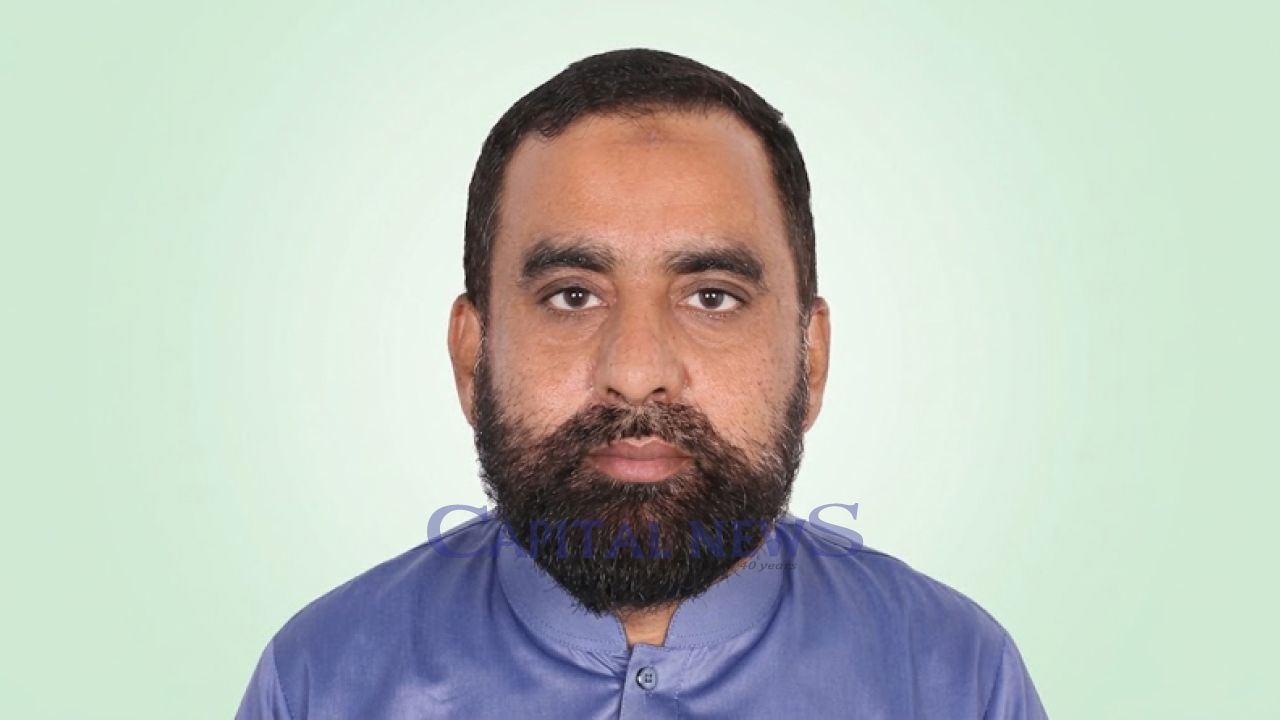
Md. Mukhlesur Rahman


Former Principal, Jamiya Deenia; Visiting Faculty Member, Madrasa Teachers Training Institute; Founding Director, Ta’mirul Millat Madrasa, Tongi Branch.


Former Secretary General, Central Shariah Board for Islamic Banks of Bangladesh.

Subject : Op-Editorial

Write Your Opinion

The Daily Capital News

রোববার, ০১ নভেম্বর ২০২৬


A Humble Appeal to Respected Islamic Speakers

Publish Date : 01 November 2026

featured Image
1. Please make the Holy Qur’an and authentic Hadith the primary sources when delivering Islamic sermons.2. Avoid baseless, fabricated and fictional stories. Where appropriate, narrate the stories mentioned in the Holy Qur’an.3. Make an effort to study authentic and reliable Islamic books in their original languages. If the original texts are unavailable, consult credible translations.4. Do not consider dreams a source of Islamic knowledge or religious authority. Dreams are not conclusive evidence; they may be true or false.5. Refrain from belittling others in an attempt to establish your own superiority.6. Maintain simplicity and moderation in your dress. Avoid artificial, extravagant or unnecessarily unusual attire as far as possible.7. Exercise great care in your choice of words and use of language. Avoid harsh, vulgar, offensive and hurtful expressions.8. Refrain from displaying inappropriate or distasteful gestures. Such behaviour may create a negative impression of your personality among the audience.9. Stop shouting unnecessarily, especially when microphones are already available. Avoid intimidating people through aggressive expressions, angry outbursts, threatening gestures or a menacing tone.10. Be humble and avoid arrogance. Refrain from excessive self-promotion and self-glorification.11. Avoid excessively lengthy speeches. Conclude your discussion before the audience becomes tired or loses interest.12. Do not continue Islamic programmes until very late at night. This is contrary to the Sunnah of the Prophet Muhammad (peace be upon him) and adversely affects people’s normal lives. As a result, many people may even miss their Fajr prayers.13. Avoid attending several Islamic gatherings in a single day or participating in programmes every day. This will give you more time for study and enable you to organise your family responsibilities and personal affairs.14. Whenever possible, seek alternative means of livelihood rather than making religious preaching and Islamic gatherings your primary source of income.15. Abandon the one-sided assumption that everything you know is correct and infallible, while everything others know or believe is entirely wrong.16. Rather than pursuing fame and popularity, deliver your sermons with sincerity (Ikhlas), seeking the pleasure of Allah alone. Divine acceptance of your efforts is far more important than worldly recognition and popularity.17. Refrain from using vulgar or offensive language when criticising individuals who hold opposing religious or ideological views. Such conduct is inconsistent with good manners and refined character.18. Humour and light-hearted remarks can be part of a sermon. However, they should never be excessive or, under any circumstances, mixed with falsehood.19. Do not concern yourself with your position or serial number on the list of speakers. Such rankings have no real significance in the service of Islamic Da’wah.20. Do not behave rudely towards organisers over food, accommodation or other hospitality arrangements. Instead, appreciate and thank them for their considerable efforts in creating an opportunity for you to carry out your religious and preaching activities.21. Do not instruct organisers to add a variety of grand titles, honorifics or academic degrees before your name. The fragrance of a flower or perfume does not depend on titles, degrees or claims of superiority. Similarly, the value of your sermon does not depend on such embellishments.22. Thoroughly verify the accuracy, authenticity and objectivity of the information you intend to present in your discussions. If you present incorrect or baseless information, knowledgeable members of the audience may readily identify the errors. This can seriously undermine your credibility, dignity and scholarly standing, which is certainly undesirable.23. While there is no denying that emotion is sometimes necessary, excessive emotionalism often leads to undesirable consequences. Keep this reality in mind.24. Remember that the world has advanced tremendously in science and technology. Be realistic and make an effort to remain informed about the latest developments and advancements across the world.25. Be aware that your lack of caution may lead the public to develop misconceptions about Islam, and you cannot escape responsibility for such consequences. The noble service you are rendering with good intentions may, because of methodological and intellectual errors, ultimately become a source of serious harm to you and to Islam itself.26. Use loudspeakers and microphones moderately and responsibly. Do not cause noise pollution by using hundreds of unnecessary microphones.Remember that many people are ill, many are engaged in worship and devotion, and many others need to sleep. Ensure that the sound of your microphones does not become a source of distress or suffering for them.⸻Md. Mukhlesur RahmanFormer Principal, Jamiya Deenia; Visiting Faculty Member, Madrasa Teachers Training Institute; Founding Director, Ta’mirul Millat Madrasa, Tongi Branch.Former Secretary General, Central Shariah Board for Islamic Banks of Bangladesh.

The Daily Capital News

Advisory Editor: Gayeshwar Chandra Roy
Editor: Abul Kashem Majumder
Acting Editor: Mohammad Alamgir Hossain
Executive Editor: Farid Ahmed Ripon

© 2025 The Daily Capital News