


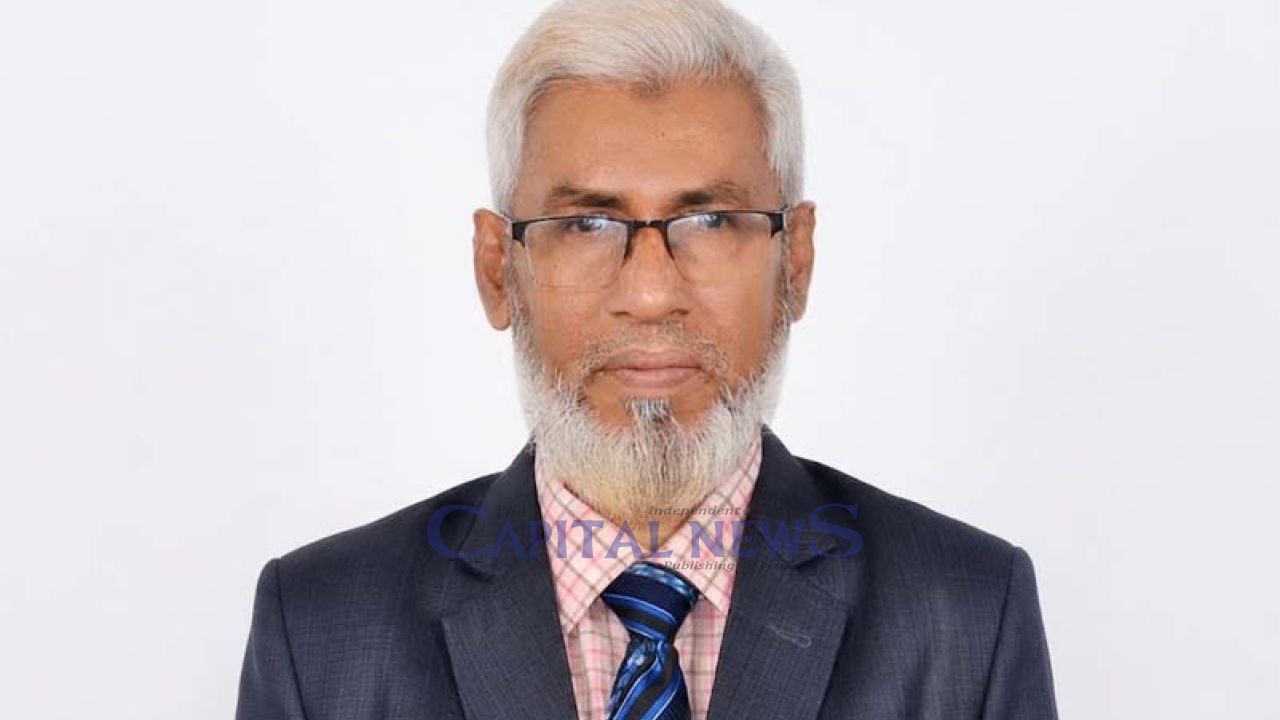
By Md. Mukhlesur Rahman: Waz mahfils, or Islamic religious gatherings featuring sermons, are an important means of promoting Islamic education, morality, religious awareness and social values in Bangladesh. Thousands of such gatherings are held across the country, particularly during the winter. From villages to cities, countless people attend these events. Many Islamic scholars and preachers, through their knowledge, dedication and sincerity, educate people about religion, encourage them to avoid moral degradation and help foster human values. Their contributions are undoubtedly commendable.
However, the widespread nature of an activity does not necessarily guarantee its quality. If the purpose of Islamic preaching is to enhance people’s knowledge, develop their character and seek the pleasure of Allah, its content, presentation, language and conduct must also be consistent with Islamic teachings. A preacher’s words can influence the thoughts and beliefs of thousands of people. Therefore, the responsibility they carry is considerable.
Let the Quran and Sunnah Be the Primary Foundations of Sermons
When conveying Islamic teachings, the Holy Quran and authentic Hadith should receive priority. The credibility of a religious sermon depends on its evidentiary foundation. It is unacceptable to promote baseless anecdotes, fabricated stories or unverified narrations merely to stir the audience’s emotions or gain temporary popularity.
The accounts of the Prophets and Messengers mentioned in the Quran, their struggles and their moral lessons may be presented with appropriate explanations. When citing incidents from Hadith or historical works, it is essential to verify their sources, authenticity and relevance. If there is a need to mention a weak narration, the audience should be informed of its status. Fabricated narrations must never be presented as authentic accounts.
Preachers should make an effort to study important Islamic texts in their original languages. Those who cannot attain proficiency in Arabic may consult reliable translations and explanations by recognised scholars. They should also develop an understanding of modern science, technology, economics, sociology and contemporary global affairs. However, it is important to maintain a distinction between scientific information and religious interpretation.
Understand the Limits of Dreams, Emotions and Personal Opinions
Dreams may be personal experiences. Although Islamic tradition recognises that certain dreams may carry significance, dreams cannot be treated as independent or conclusive sources of Islamic law. Preachers should refrain from establishing new religious rulings, making allegations against individuals or spreading fear and confusion on the basis of dreams.
Although emotions have a place in religious discourse, they must not overshadow reason, evidence and balance. No matter how powerful or melodious a preacher’s voice may be, it does not determine the truthfulness of what is being said. Rather than intimidating people through angry gestures, threats or fear, preachers should emphasise knowledge, wisdom and effective presentation.
The Holy Quran instructs people to invite others to the path of Allah with wisdom and good counsel (Surah An-Nahl, 16:125). This guidance is equally important in determining the language and methods of Islamic preaching.
Differences of Opinion Are Acceptable; Insults Are Not
Throughout the history of Islamic scholarship, scholars have held differing opinions on various issues. There is nothing wrong with believing one’s own position to be correct. However, declaring another person’s opinion entirely wrong without examining it, belittling opponents or resorting to personal attacks cannot be considered the conduct of a knowledgeable person.
In dealing with differences of opinion, evidence, reasoning and respectful language should be given priority. Where necessary, preachers should acknowledge the limitations of their own arguments. Admitting that one does not know the answer to a question, or recommending consultation with a relevant specialist, is not a loss of dignity. Rather, it demonstrates intellectual honesty and a commitment to learning.
In political, social and religious debates, preachers should avoid indecent personal criticism, slander and expressions that promote hostility. Wrongdoing must certainly be criticised, but such criticism should be evidence-based, relevant and responsible.
Maintain Decency in Language, Dress and Conduct
A preacher’s character is reflected not only in sermons but also in dress, gestures and interactions with others. Cleanliness, modesty and appropriateness should be maintained in personal appearance. Displaying eccentricity in the name of religious identity or treating outward appearance as a measure of superiority is neither reasonable nor appropriate.
Preachers must refrain from indecent words, abusive remarks, ridicule and statements that generate hatred. Humour can make a sermon engaging, but it should never involve falsehood, humiliation or obscenity.
According to a Hadith recorded in Sahih al-Bukhari and Sahih Muslim, whoever believes in Allah and the Last Day should speak good words or remain silent. This principle is equally relevant when delivering religious speeches in public.
Respect Time and the Public Interest
Both organisers and speakers should act responsibly when setting schedules for waz mahfils. Rather than exhausting audiences with excessively long speeches, preachers should present their subjects in a well-organised and effective manner. Concluding a sermon within the allotted time is a sign of a speaker’s competence.
In particular, the practice of continuing mahfils until late at night deserves reconsideration. The sleep of children, the needs of elderly and sick people, and the work commitments of the following day must be taken into account. Events that continue late into the night may disrupt people’s rest and make it difficult for them to perform the Fajr prayer on time. Religious gatherings should support people’s normal lives and worship rather than hinder them.
The use of loudspeakers also requires moderation. Excessive loudspeakers, high-volume announcements and noise spreading across surrounding neighbourhoods late at night can cause public distress. The needs of sick people, students, working individuals and those engaged in worship should be considered.
Bangladesh has introduced the Noise Pollution (Control) Rules, 2025. Although the rules provide for certain exemptions concerning religious institutions and some religious activities, the ethical obligations to respect neighbours, protect the public interest and avoid causing harm remain. The administration, event organisers and religious leaders should work together to adopt practical measures in this regard.
Uphold Professional Integrity and Rise Above Self-Promotion
Speakers should not express unreasonable dissatisfaction over their position in the programme, honorarium, transportation, meals or accommodation arrangements at waz mahfils. Organisers invest considerable time, effort and money in arranging these events. Treating them courteously and expressing gratitude for their cooperation are part of a speaker’s ethical responsibilities.
Similarly, it is inappropriate to pressure organisers to include lengthy honorific titles, numerous designations or irrelevant academic qualifications before a speaker’s name. A person’s true worth is reflected in their knowledge, character and contributions, not in the number of titles they possess.
The question of earning a livelihood through Islamic preaching has been discussed in Islamic jurisprudence. Rather than imposing a single, universal verdict on everyone, the relevant Shariah discussions and practical circumstances should be considered. Nevertheless, money, honoraria and other benefits must not influence the content of sermons, the disclosure of truth or the fulfilment of religious responsibilities. Financial transparency and professional integrity are essential.
If attending multiple mahfils in a single day or speaking at gatherings every day interferes with study, preparation, family responsibilities and rest, the schedule should be reorganised. A smaller number of well-prepared and evidence-based sermons can be more beneficial than frequent speeches delivered without adequate preparation.
Credibility Matters More Than Popularity
In the age of social media, even a short excerpt from a sermon can reach hundreds of thousands of people within moments. Consequently, the impact of misinformation, incomplete statements and inflammatory remarks can extend far beyond the original gathering. Verifying information, checking sources and assessing relevance before speaking are therefore essential.
Before discussing statistics, scientific discoveries, historical events or contemporary issues, preachers should gather information from reliable sources. They should not hesitate to correct mistakes when they are identified. Acknowledging an error is not a sign of weakness; rather, it demonstrates loyalty to the truth.
Preachers should also protect themselves from the temptations of self-promotion, fame and competitive popularity. The number of people attending a mahfil or the number of views a sermon receives on social media cannot adequately measure the true value of religious work. Sincerity of intention, knowledge, practice and the ability to bring positive changes to people’s lives are far more important.
Respected Islamic preachers exert considerable influence on society. Their words can inspire people to become more just, responsible, compassionate and honest. Conversely, careless statements, baseless information and uncontrolled behaviour can create confusion, hostility and misunderstanding. Their responsibility, therefore, extends beyond speaking: they must verify the truth, recognise the limits of their knowledge, respect the rights of their audiences and demonstrate the beauty of Islam through their conduct.
This appeal is not intended to belittle any individual or group. Rather, it is motivated by the desire to strengthen the positive role of waz mahfils in society. Through the collective efforts of organisers, speakers, mosque and madrasa management authorities, and concerned citizens, these gatherings can become effective platforms for learning, moral development and social harmony.
Our expectation is that Islamic preaching will be grounded in reliable knowledge, expressed in dignified language, characterised by humility, conducted responsibly and guided by the pursuit of Allah’s pleasure. Rather than outward grandeur, loud voices or competitions for popularity, the true measure of success in Islamic preaching should be its positive impact on people’s knowledge, character and quality of life.
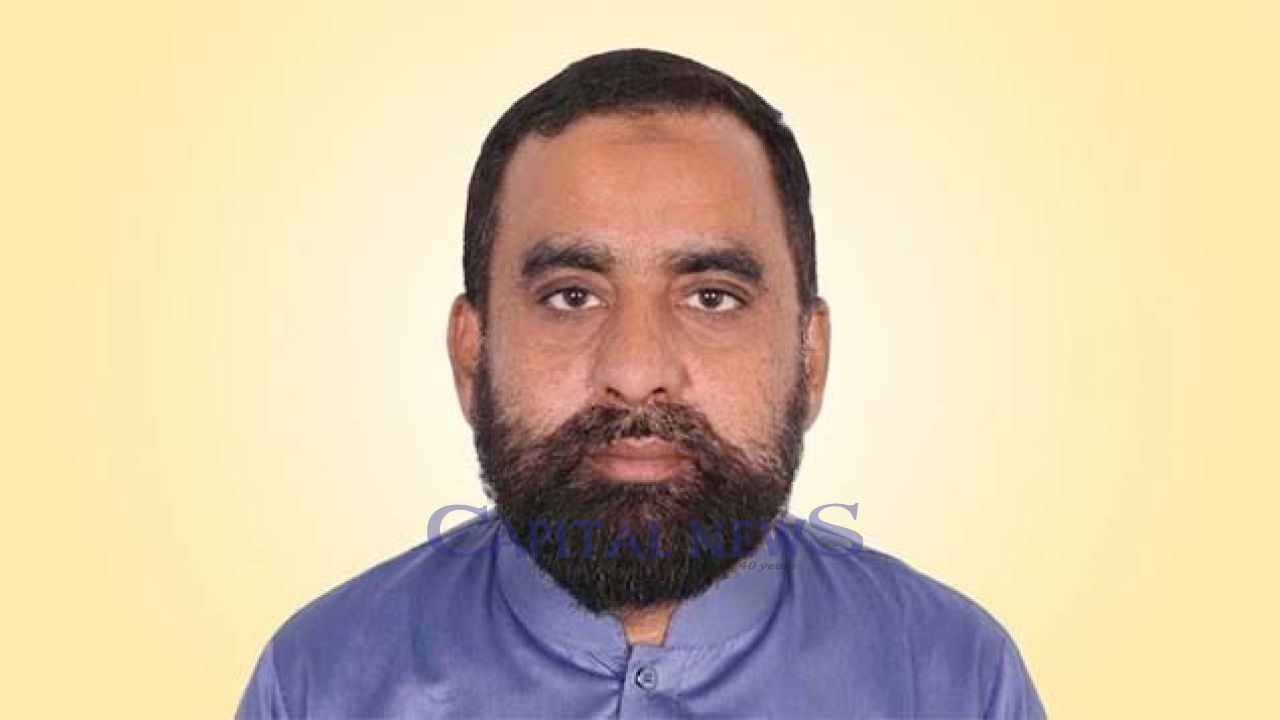
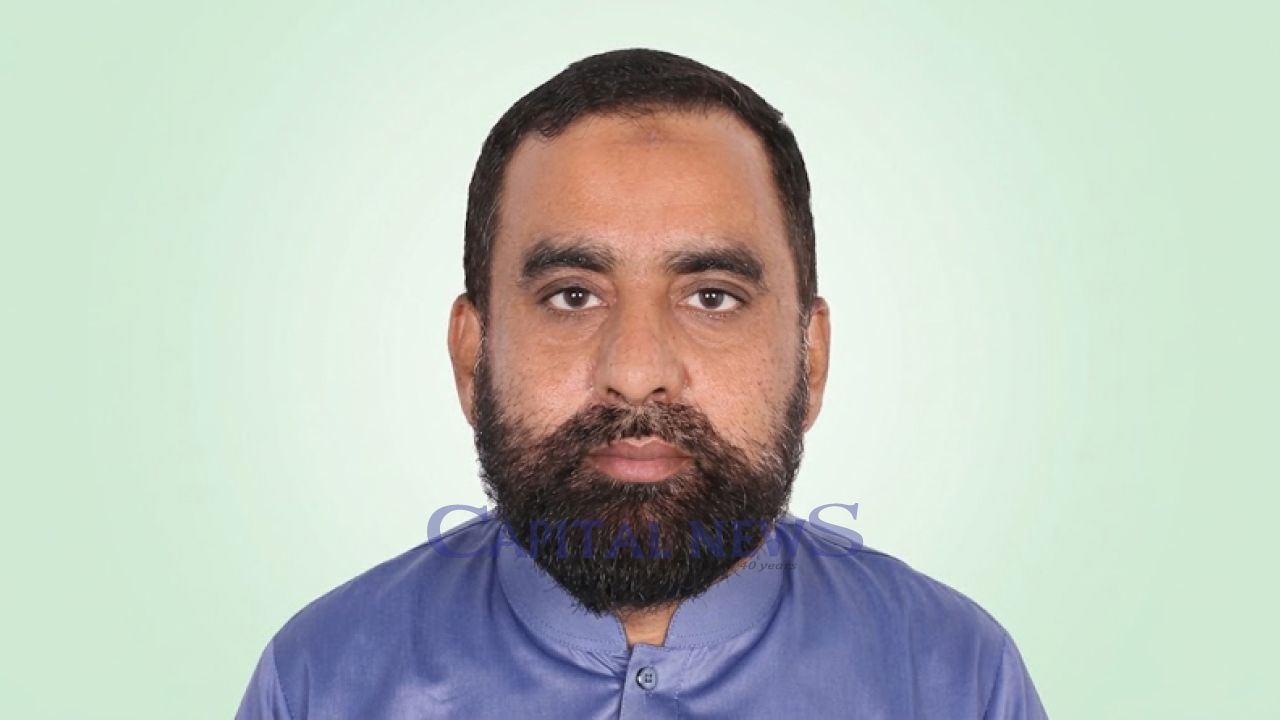
By Md. Mukhlesur Rahman
Islamic Finance Specialist, Economist, Social and Political Thinker, Geopolitical Analyst, and Human Rights Activist
Subject : Op-Editorial
শনিবার, ৩১ অক্টোবর ২০২৬
Publish Date : 30 October 2026


Write Your Opinion