The Daily Capital News

Bangladesh moves to overhaul investment, trade procedures

Bangladesh moves to overhaul investment, trade procedures

Digital reforms, faster customs clearance and stronger inter-agency coordination at the centre of efforts to attract investment and improve competitiveness

Special Correspondent: Bangladesh is stepping up efforts to simplify investment and trade procedures through digitalisation, faster decision-making and stronger coordination among government agencies, aiming to reduce bureaucratic delays, attract more domestic and foreign investment and improve the country's economic competitiveness.


The initiatives include a proposed tenfold increase in pre-arrival customs clearance, a unified online business start-up service, round-the-clock digital payment facilities at Chittagong Port and a fully automated bond management system.


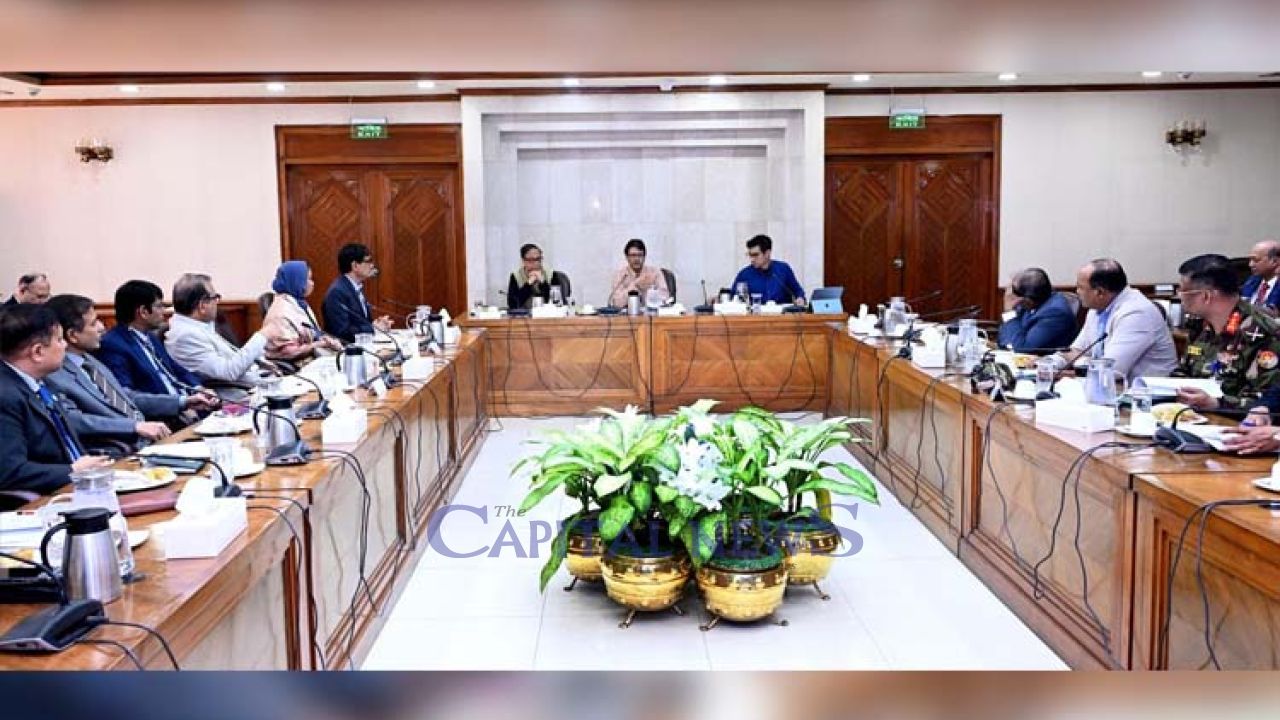
These proposals were discussed at the seventh meeting of the Investment Coordination Committee, held at the Chief Adviser's Office in Tejgaon on Thursday. Senior policymakers, regulators and representatives of key government agencies attended the meeting, according to the Chief Adviser's Press Wing.


Lutfey Siddiqi, Special Envoy of the Chief Adviser and chairman of the committee, said improving government procedures could have an immediate and significant impact on economic competitiveness and people's livelihoods.


"While we have limited control over external factors such as tariffs and market access, we have full control over our own policies and procedures," he said, stressing that greater efficiency could deliver tangible economic benefits.


Among the participants were Ashik Chowdhury, Executive Chairman of the Bangladesh Investment Development Authority (BIDA), Bangladesh Economic Zones Authority (BEZA) and Public Private Partnership (PPP) Authority; Bangladesh Bank Governor Dr Ahsan H Mansur; and Chittagong Port Authority Chairman Rear Admiral SM Moniruzzaman, alongside senior secretaries and agency heads.


The meeting highlighted several improvements already achieved through inter-agency cooperation. The National Single Window (NSW), introduced by the National Board of Revenue (NBR), has reportedly eliminated around 1.2 million physical visits to government offices within just a few months.


The digital platform is designed to simplify trade-related services by allowing businesses to complete multiple regulatory procedures through a single online system, reducing paperwork, time and administrative costs.


At Chittagong Port, automated truck entry systems have cut vehicle entry times by at least 90 per cent. Digital tracking and cashless payment facilities have also improved transparency and operational efficiency.


Another significant development is the joint monitoring of investment proposals by BIDA, BEZA, the Bangladesh Export Processing Zones Authority (BEPZA) and the Bangladesh Hi-Tech Park Authority. The agencies are working together to ensure that investment proposals move beyond initial approval and translate into actual projects.


Officials also reported a record number of land lease agreements, while investment promotion missions to China, Turkey and South Korea have resulted in confirmed investment activations.


However, the committee identified implementation gaps as a major obstacle to achieving the full benefits of digital reforms. Some government offices are still maintaining parallel paper-based procedures despite having online systems, undermining the purpose of digitalisation.


Siddiqi pointed to the Bureau of Manpower, Employment and Training (BMET) as an example of effective implementation. Its digital-only application and payment system, supported by help desks at service locations, has helped users adapt to online services.


The Chittagong Port Authority has also introduced an agent desk to assist businesses and service users in shifting to digital platforms.


The committee identified the launch of the first version of the Bangladesh Business Portal by BIDA as an immediate priority. The portal is being developed through cooperation among ministries and city corporations to make business-related information and services more accessible.


Another major initiative is the pilot launch of the Automated Risk Management System (ARMS) at Chittagong Customs House. The system is expected to reduce unnecessary physical cargo inspections through a more risk-based assessment process.


Emphasising the need to expand pre-arrival customs clearance, Siddiqi said existing rules were sufficient but required effective implementation.


"It is unacceptable that less than 5 percent of cargo is pre-cleared when the figure should exceed 50 percent," he said.


The proposed expansion is expected to reduce delays at ports, lower the cost of doing business and help exporters and importers manage their supply chains more efficiently.


Participants described the committee's data-driven and action-oriented approach as a significant change in government operations, placing greater emphasis on implementation, accountability and measurable results.


For Bangladesh, where businesses frequently face lengthy administrative procedures, high operating costs and delays in regulatory approvals, successful implementation of these reforms could provide an important boost to investment and trade.


Economists and business stakeholders have long emphasised that attracting investment requires more than incentives and policy announcements. Investors also need predictable regulations, efficient public services, transparent procedures and timely decisions.


The latest initiatives therefore represent an important step towards creating a more business-friendly environment. However, their real success will depend on how consistently the government implements the decisions and ensures that digital services replace, rather than merely run alongside, traditional bureaucratic processes.

Subject : National

Write Your Opinion

The Daily Capital News

মঙ্গলবার, ০৩ নভেম্বর ২০২৬


Bangladesh moves to overhaul investment, trade procedures

Publish Date : 02 November 2026

featured Image
Digital reforms, faster customs clearance and stronger inter-agency coordination at the centre of efforts to attract investment and improve competitivenessSpecial Correspondent: Bangladesh is stepping up efforts to simplify investment and trade procedures through digitalisation, faster decision-making and stronger coordination among government agencies, aiming to reduce bureaucratic delays, attract more domestic and foreign investment and improve the country's economic competitiveness.The initiatives include a proposed tenfold increase in pre-arrival customs clearance, a unified online business start-up service, round-the-clock digital payment facilities at Chittagong Port and a fully automated bond management system.These proposals were discussed at the seventh meeting of the Investment Coordination Committee, held at the Chief Adviser's Office in Tejgaon on Thursday. Senior policymakers, regulators and representatives of key government agencies attended the meeting, according to the Chief Adviser's Press Wing.Lutfey Siddiqi, Special Envoy of the Chief Adviser and chairman of the committee, said improving government procedures could have an immediate and significant impact on economic competitiveness and people's livelihoods."While we have limited control over external factors such as tariffs and market access, we have full control over our own policies and procedures," he said, stressing that greater efficiency could deliver tangible economic benefits.Among the participants were Ashik Chowdhury, Executive Chairman of the Bangladesh Investment Development Authority (BIDA), Bangladesh Economic Zones Authority (BEZA) and Public Private Partnership (PPP) Authority; Bangladesh Bank Governor Dr Ahsan H Mansur; and Chittagong Port Authority Chairman Rear Admiral SM Moniruzzaman, alongside senior secretaries and agency heads.The meeting highlighted several improvements already achieved through inter-agency cooperation. The National Single Window (NSW), introduced by the National Board of Revenue (NBR), has reportedly eliminated around 1.2 million physical visits to government offices within just a few months.The digital platform is designed to simplify trade-related services by allowing businesses to complete multiple regulatory procedures through a single online system, reducing paperwork, time and administrative costs.At Chittagong Port, automated truck entry systems have cut vehicle entry times by at least 90 per cent. Digital tracking and cashless payment facilities have also improved transparency and operational efficiency.Another significant development is the joint monitoring of investment proposals by BIDA, BEZA, the Bangladesh Export Processing Zones Authority (BEPZA) and the Bangladesh Hi-Tech Park Authority. The agencies are working together to ensure that investment proposals move beyond initial approval and translate into actual projects.Officials also reported a record number of land lease agreements, while investment promotion missions to China, Turkey and South Korea have resulted in confirmed investment activations.However, the committee identified implementation gaps as a major obstacle to achieving the full benefits of digital reforms. Some government offices are still maintaining parallel paper-based procedures despite having online systems, undermining the purpose of digitalisation.Siddiqi pointed to the Bureau of Manpower, Employment and Training (BMET) as an example of effective implementation. Its digital-only application and payment system, supported by help desks at service locations, has helped users adapt to online services.The Chittagong Port Authority has also introduced an agent desk to assist businesses and service users in shifting to digital platforms.The committee identified the launch of the first version of the Bangladesh Business Portal by BIDA as an immediate priority. The portal is being developed through cooperation among ministries and city corporations to make business-related information and services more accessible.Another major initiative is the pilot launch of the Automated Risk Management System (ARMS) at Chittagong Customs House. The system is expected to reduce unnecessary physical cargo inspections through a more risk-based assessment process.Emphasising the need to expand pre-arrival customs clearance, Siddiqi said existing rules were sufficient but required effective implementation."It is unacceptable that less than 5 percent of cargo is pre-cleared when the figure should exceed 50 percent," he said.The proposed expansion is expected to reduce delays at ports, lower the cost of doing business and help exporters and importers manage their supply chains more efficiently.Participants described the committee's data-driven and action-oriented approach as a significant change in government operations, placing greater emphasis on implementation, accountability and measurable results.For Bangladesh, where businesses frequently face lengthy administrative procedures, high operating costs and delays in regulatory approvals, successful implementation of these reforms could provide an important boost to investment and trade.Economists and business stakeholders have long emphasised that attracting investment requires more than incentives and policy announcements. Investors also need predictable regulations, efficient public services, transparent procedures and timely decisions.The latest initiatives therefore represent an important step towards creating a more business-friendly environment. However, their real success will depend on how consistently the government implements the decisions and ensures that digital services replace, rather than merely run alongside, traditional bureaucratic processes.

The Daily Capital News

Advisory Editor: Gayeshwar Chandra Roy
Editor: Abul Kashem Majumder
Acting Editor: Mohammad Alamgir Hossain
Executive Editor: Farid Ahmed Ripon

© 2025 The Daily Capital News