


By Md. Mukhlesur Rahman: The ongoing war involving Iran and the United States may not remain confined to a handful of countries. If the conflict escalates further, its consequences could reverberate throughout the global economy. Energy supplies, international trade, food prices, transportation costs, foreign exchange markets, and labour migration are all likely to face far-reaching consequences. The situation could be particularly alarming for countries like Bangladesh, which are heavily dependent on imports and rely significantly on remittances from overseas workers.
Alongside the conflict in the Middle East, protests have also been reported in various European countries over the rising cost of living, energy prices, housing shortages, and economic grievances. France, Italy, Spain, Belgium, and Portugal, among others, have witnessed anti-government demonstrations and social unrest. However, these movements may have multiple domestic and international causes. It would be inaccurate to attribute all of them solely to the Iran war. Rather, they reflect the broader picture of mounting economic pressures and social dissatisfaction across the world.
New Diplomatic Initiatives over the Strait of Hormuz
One of the most important geopolitical questions at present concerns the future of the Strait of Hormuz. Located between the Persian Gulf and the Gulf of Oman, this strategic waterway is one of the world’s most important routes for international energy trade. A substantial volume of the world’s crude oil and liquefied natural gas (LNG) passes through this narrow maritime corridor. Any prolonged disruption could therefore have serious consequences for energy-importing economies.
According to reports published by Al Jazeera and Reuters on November 1, discussions are underway involving Iran and Qatari mediators to reopen the Strait of Hormuz and bring an end to the war. According to Iranian Foreign Minister Abbas Araghchi, a proposal is being discussed under which the strait could be reopened within two days if the United States agrees to certain Iranian conditions. However, no final agreement has yet been reached.
The issues reportedly included in Iran’s proposal include easing US sanctions, restoring opportunities for Iranian oil exports, reducing the American military presence in the Middle East, and respecting the respective positions of Iran and Oman regarding maritime arrangements in the strait.
In other words, this is not simply a proposal to reopen the Strait of Hormuz. It also involves broader questions concerning post-war regional security and the future economic and geopolitical order.
The question is: Why is Iran proposing such a rapid reopening of the strait? There may be diplomatic, economic, and strategic considerations behind this initiative. On the one hand, Iran may be seeking to reduce international pressure and create opportunities to emerge from economic isolation. On the other, it may be offering Washington an opportunity to resolve the crisis through negotiations. At the same time, Iran could demonstrate to the international community that it has made every possible diplomatic effort to avoid further escalation.
Through this proposal, Iran may also be signalling to its allies and international partners that it remains open to negotiations. However, it is equally determined to resist any new military action that disregards its conditions. This is a possible geopolitical interpretation rather than a confirmed assessment of Iran’s intentions.
The Next Move Depends on Trump’s Decision
On November 1, US President Donald Trump said that negotiations with Iran were progressing well. However, he indicated that he was in no hurry to reach a peace agreement. At the same time, the possibility of further American military action against Iran has not been entirely ruled out.
What happens after the US midterm elections on November 3 has become an important question for international observers.
It is important to remember that the end of the elections does not necessarily mean that war will resume. Nevertheless, the possibility of renewed military confrontation after the elections cannot be dismissed.
Recent remarks by US Senator Chris Murphy have further heightened concerns. On October 29, he disclosed that he had been briefed by the administration during a closed-door meeting about plans for the next phase of the war. Describing the plan as “Their plan is insane”, he expressed concern that renewed military operations could prolong the conflict and trigger an even more devastating escalation. He also raised particular concerns about the possibility of attacks on civilian infrastructure.
His remarks deserve attention because they do not come merely from a political commentator speculating about the situation. Rather, they represent the public concerns of a senator who has received a briefing on the administration’s plans. Although he did not disclose the details of classified documents, his comments suggest that a renewed military campaign may not necessarily produce the results Washington expects.
If direct military confrontation between Iran and the United States resumes, its consequences will not remain limited to the two countries. Iran could retaliate against American military installations and associated infrastructure across the Middle East. Saudi Arabia, the United Arab Emirates, Qatar, Kuwait, Bahrain, and even Jordan could face serious security risks.
In particular, attacks on oil and gas fields, refineries, ports, power plants, maritime facilities, and water desalination infrastructure could turn the situation into a humanitarian disaster.
Many parts of the Gulf region depend heavily on desalination technology to meet their freshwater needs. Damage to these facilities could therefore create not only an economic catastrophe but also a serious humanitarian crisis.
However, it would be premature to suggest that the governments of these countries would necessarily collapse or that all their oil, gas, and water infrastructure would be destroyed.
What can reasonably be said is that these facilities could face heightened risks in the event of a wider conflict. The longer the war continues, the greater the risks to regional security, investment, energy supplies, and civilian lives.
Bangladesh Could Face Particularly Serious Consequences
The situation could be especially alarming for Bangladesh.
Bangladesh’s relationship with the Middle East is not merely diplomatic or commercial. The livelihoods of millions of people are directly connected to the region. Saudi Arabia, the United Arab Emirates, Qatar, Kuwait, Oman, and Bahrain are among the most important destinations for Bangladeshi migrant workers.
A few statistics illustrate the importance of the Gulf region to Bangladesh’s economy. According to information published by The Business Standard in March 2026, approximately 81 per cent of Bangladesh’s total overseas workers in 2025 were employed in Gulf countries. In the same year, approximately 46 per cent of the country’s total remittance inflows originated from this region.
Published data from Bangladesh Bank for the 2025–26 financial year also indicate substantial remittance inflows from Saudi Arabia, the United Arab Emirates, Oman, Kuwait, and Qatar. These five countries collectively contributed approximately US$15.8 billion.
Therefore, the potential consequences for Bangladesh if the war expands further into the Middle East are not difficult to imagine.
First, if industries, construction, transportation, businesses, and service sectors in the Gulf countries are affected, employment opportunities for Bangladeshi expatriates could shrink. Many businesses may be forced to close, recruitment of new workers could be suspended, and existing employees could face the risk of losing their jobs.
Second, disruptions to banking, transportation, and international money-transfer systems could reduce remittance inflows. This would place additional pressure on Bangladesh’s foreign exchange reserves, balance of payments, and exchange rate.
Third, if the situation deteriorates further, a large number of Bangladeshi migrant workers could be forced to return home. Bangladesh would then have to shoulder the responsibility of providing them with employment opportunities, housing, healthcare, and social protection.
The country is already struggling with unemployment, limited job opportunities, inflation, and the rising cost of living, particularly among low-income households. If a large number of returning migrant workers are added to these existing pressures, the situation could become considerably more complicated.
Many of these workers have spent years abroad, working hard and sending money home to support their families. Upon returning, they may be forced to search for employment all over again. Their savings could also be adversely affected by the conflict. Consequently, the impact would extend beyond individual and family hardships to the broader national economy.
Energy and Essential Commodity Markets Could Face a Major Shock
Bangladesh is heavily dependent on imported petroleum products and LNG. If maritime traffic through the Strait of Hormuz is disrupted by the Middle East conflict, international energy prices could rise further.
This would affect electricity generation, industrial production, transportation, agricultural output, and the overall supply chain.
Higher energy prices would increase production and transportation costs. Consequently, prices of food and almost all essential commodities could rise. Increased import expenditure would place additional pressure on foreign exchange reserves. If remittance inflows also decline, the economy would face a double shock.
In other words, Bangladesh could simultaneously confront an energy crisis, foreign exchange pressure, an employment crisis, and rising inflation.
When an economic crisis becomes prolonged, its consequences are not confined to people’s income and expenditure. Job losses, declining earnings, mounting debt, and rising living costs can eventually generate widespread social dissatisfaction.
Recent protests and public discontent in various European countries remind us that prolonged economic pressure can create instability even in developed economies.
If Bangladesh experiences a simultaneous decline in remittances, a large-scale return of migrant workers, and rising energy and essential commodity prices, managing the resulting social situation could become extremely challenging.
Another important issue deserves particular attention. In our society, garment workers, low-income employees, day labourers, and returning migrant workers are sometimes treated with disregard and intolerance. Yet each of these groups makes an indispensable contribution to keeping the national economy functioning.
Social solidarity will be essential in confronting any impending crisis. Looking down upon people because of their professions, denying them their legitimate rights, or exploiting their vulnerable circumstances cannot be acceptable under any circumstances.
Bangladesh Must Prepare Without Delay
It is impossible to predict with certainty how the international situation will evolve. Diplomatic agreements could prevent the conflict from spreading further. Conversely, the failure of negotiations could make the situation even more complicated. Therefore, preparing in advance for potential risks would be the wisest course of action.
The government should give particular attention to several areas:
1. Monitoring the Middle Eastern labour market: Strengthen diplomatic engagement to monitor employment conditions and ensure the safety and security of Bangladeshi expatriates.
2. Rehabilitation and employment: Prepare emergency rehabilitation, employment, and vocational training programmes for migrant workers who may be compelled to return home because of the war.
3. Energy security: Explore alternative sources of petroleum and LNG imports and ensure adequate strategic reserves.
4. Food and essential commodities: Develop advance plans for imports and market management to maintain uninterrupted supplies of food and other essential goods.
5. Foreign exchange management: Preserve foreign exchange reserves, control unnecessary import expenditure, and undertake effective initiatives to increase export earnings.
6. Social protection: Strengthen social safety-net programmes for low-income people and families whose members may lose their jobs.
Expatriates themselves should also remain cautious at the individual level. Reducing unnecessary expenditure, maintaining emergency savings for their families, and remaining aware of their employment conditions and legal documentation are particularly important.
History offers very few examples of complex problems being resolved through war. By contrast, there are numerous examples of conflicts being addressed through dialogue, negotiations, and diplomatic channels.
No country can truly emerge victorious from a prolonged war. Military power may temporarily weaken another country, but the economic, social, and humanitarian costs of war can continue for many years. Particularly in a region as important to global energy supplies and international trade as the Middle East, any new escalation would impose a heavy price not only on the countries directly involved but also on the entire world.
The United States, Iran, and other regional powers should reduce military tensions and seek a lasting solution through dialogue. Ensuring the safety of international maritime navigation through the Strait of Hormuz, protecting civilian lives and infrastructure, and respecting the sovereignty of regional countries must remain fundamental priorities.
We must remember that ordinary people suffer the most in geopolitical power struggles. A worker losing a job, an expatriate being forced to return home, or a family losing its sole source of income is not merely a statistical matter. These are human lives and futures at stake.
This is also a critical moment for Bangladesh. Instead of waiting for the situation to deteriorate and then scrambling to respond, we must take timely and effective preparatory measures. The government, business community, industrial entrepreneurs, banks, financial institutions, and ordinary citizens all have responsibilities in this regard.
The Middle East crisis cannot be treated as a distant conflict with no consequences for us. The fire burning there today could eventually reach Bangladesh’s economy and society. Therefore, no one should be looked down upon or treated disrespectfully because of their profession—not garment workers, nor people from any other occupational group. Mutual compassion, social solidarity, and economic preparedness could be among our strongest tools for confronting the challenges ahead.
We must not become helpless victims of other people’s strategic calculations. Instead, we must take timely initiatives and make our own plans to safeguard our future.
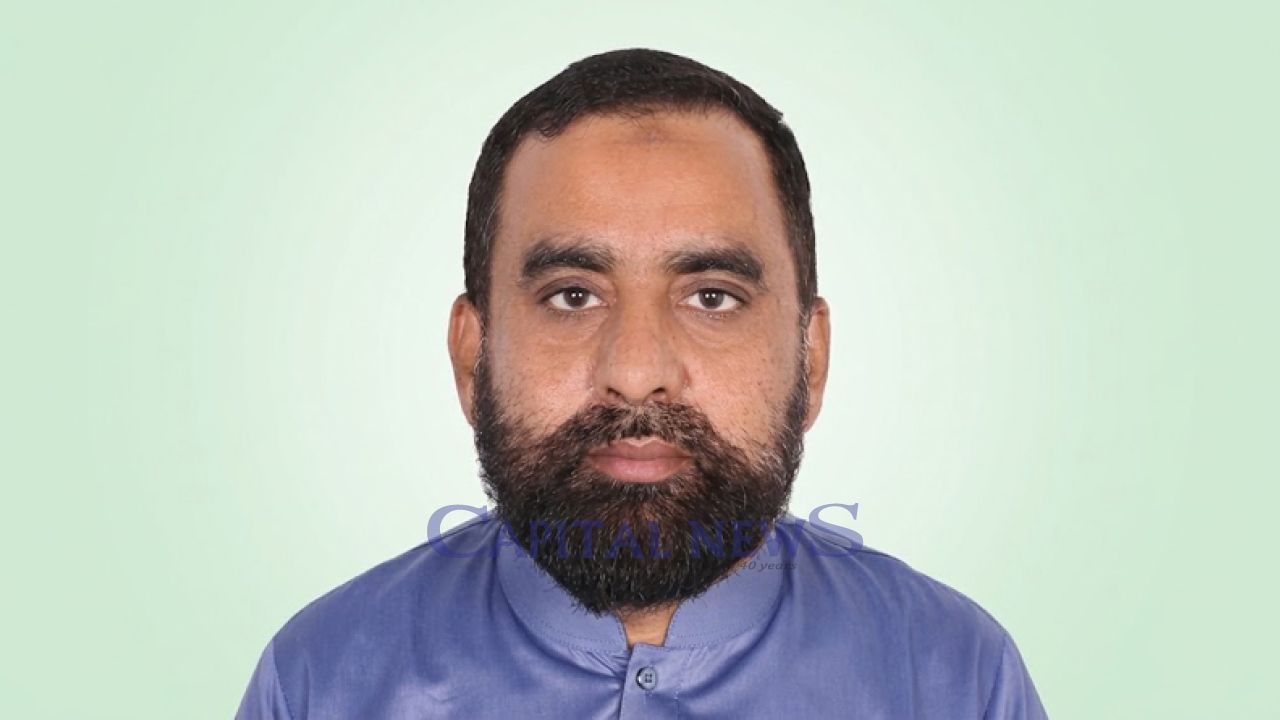
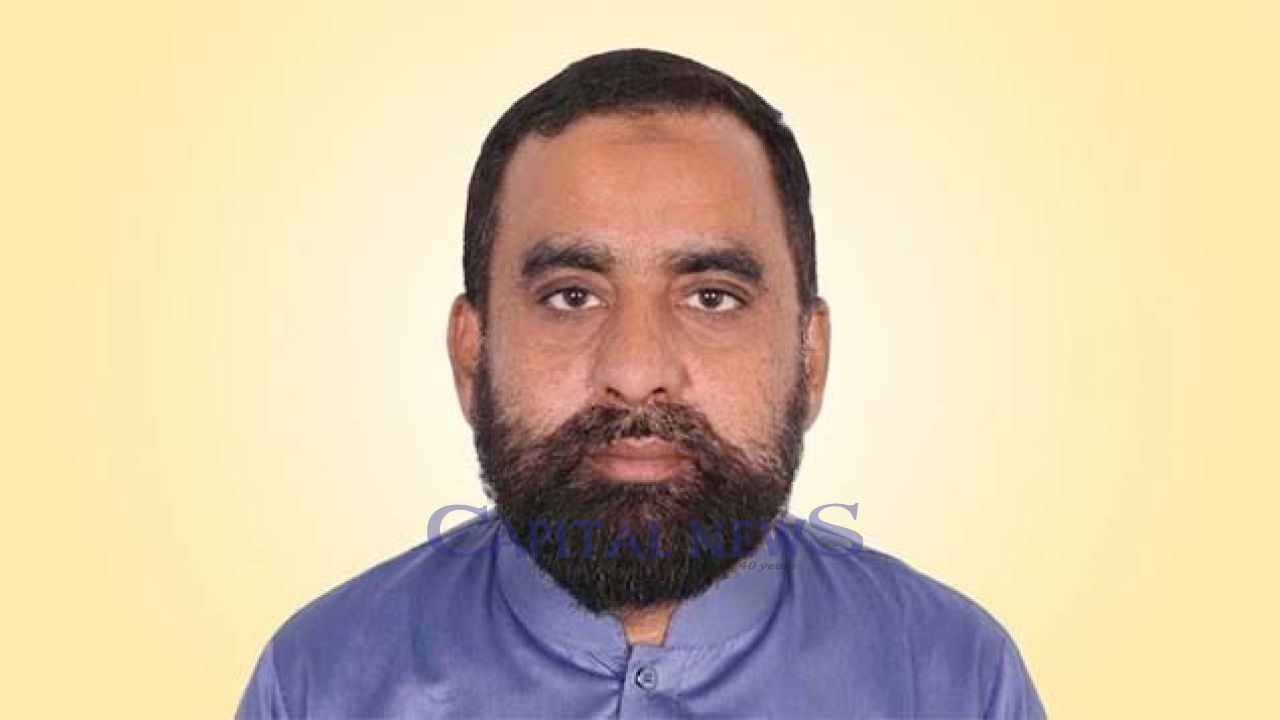
Author: Md. Mukhlesur Rahman
Islamic Finance Specialist, Economist, Social and Political Thinker, Geopolitical Analyst, and Human Rights Activist
Subject : Op-Editorial
মঙ্গলবার, ০৩ নভেম্বর ২০২৬
Publish Date : 02 November 2026


Write Your Opinion