
The Daily Capital News

Corruption in the Healthcare Sector: Playing with Human Lives

Corruption in the Healthcare Sector: Playing with Human Lives

Access to healthcare is a fundamental human right. People visit doctors and seek treatment at hospitals with the hope of recovering from illness. They place their trust in doctors and depend on healthcare institutions. The foundation of this trust is humanity, professional responsibility and ethical conduct. But when healthcare becomes a means of personal enrichment for certain individuals, and patients’ vulnerability is exploited for commission-based business, it is no longer merely a matter of corruption; it represents a profound moral decline. Unpleasant as it may sound, the state of Bangladesh’s healthcare sector confronts us with this harsh reality.


A recent biennial research report for 2025–26 by Bangladesh Health Watch has revealed an alarming picture of corruption, irregularities and institutional weaknesses in the healthcare sector. According to the report, some doctors receive commissions amounting to 20 to 50 per cent of diagnostic test fees by referring patients to particular diagnostic centres. The annual volume of such commission transactions at major diagnostic institutions is estimated at approximately Tk 18.61 billion (Tk 1,861 crore). However, this estimate requires independent verification. It is not an audited or conclusively established figure; rather, it is a research-based estimate. Nevertheless, the findings are sufficient to illustrate the depth of the ethical crisis in the healthcare sector.


The question is: when a doctor advises a patient to undergo tests at a particular diagnostic centre, what is the real motivation—to ensure the best possible treatment for the patient or to earn a personal commission in return for the referral? It would, however, be unfair to generalise these allegations to the entire medical profession. Thousands of doctors in Bangladesh perform their duties with dedication, integrity and compassion. But if anyone exploits the medical profession and turns patients’ illnesses into a source of personal income, strict action must be taken against them. Such practices expose patients to unnecessary diagnostic tests, increase the cost of treatment and undermine the impartiality of medical advice.


Another serious problem in the healthcare sector is the absence of doctors from their assigned workplaces in government hospitals. According to Bangladesh Health Watch’s research, approximately 40 per cent of doctors were found absent during unannounced inspections. In some healthcare facilities in remote areas, the rate of absenteeism exceeded 70 per cent. The report also highlights allegations that some doctors receive salaries and allowances without performing their assigned duties. When a poor patient visits an upazila or district hospital in search of treatment, the absence of a doctor leaves them helpless and distressed. In many cases, patients are forced to seek treatment at private hospitals or clinics, significantly increasing their medical expenses. Receiving government salaries and benefits without fulfilling professional responsibilities is not merely an administrative offence; it is an act of gross negligence and indifference towards sick and vulnerable people.


The activities of brokers and intermediaries operating inside government hospitals are another disturbing concern. Allegations of illegal payments demanded from patients in exchange for hospital beds, discharge procedures, surgery schedules and access to medical services are widespread. The report cites an incident in which a ward employee allegedly took Tk 5,000 from an elderly patient by promising to arrange a date for surgery, even though the concerned ward had no facility for performing such an operation. More concerning is that, instead of taking appropriate disciplinary action against the employee, the authorities reportedly transferred him elsewhere. Such administrative responses do not discourage corruption; rather, they foster a culture of impunity among those involved in irregularities.


Irregularities in the procurement of medical equipment are equally alarming. The report highlights financial losses amounting to Tk 4.59 billion (Tk 459 crore) in procurement activities of the Central Medical Stores Depot (CMSD). It also refers to medical equipment worth Tk 2.83 billion (Tk 283 crore) lying unused. Some equipment was reportedly purchased at prices up to 18 times higher than the prevailing market rates. On the one hand, numerous hospitals across the country lack essential medical equipment; on the other, equipment worth billions of taka is purchased and subsequently left unused. What could be a greater example of waste and irresponsibility? An impartial investigation is urgently needed to establish who was involved in these procurements, how the tendering process was conducted, why there was such a significant discrepancy between market prices and procurement costs, and who should be held accountable for leaving the equipment unused.


Corruption in the healthcare sector is not confined to financial embezzlement or commission-based transactions. Allegations of political influence, nepotism and irregularities also surround recruitment, transfers and promotions. The report identifies these weaknesses in the human resource management of more than 180,000 healthcare workers. If political connections or personal influence, rather than merit and professional competence, determine recruitment and promotion, how can the quality of healthcare improve? Medicine is a specialised profession in which incompetence and irresponsibility can cost human lives. Therefore, transparency and merit-based evaluation must be ensured at every stage, from recruitment to promotion.


Weaknesses in regulatory institutions are another major contributing factor to this crisis. Between 2010 and May 2025, the Bangladesh Medical and Dental Council (BMDC) reportedly received 172 complaints. Of these, 79 were awaiting resolution, while disciplinary action had been taken in only 29 cases. If complaints of medical negligence remain unresolved for years, how can patients expect justice? It is essential to ensure professional accountability among doctors and strengthen the independence, impartiality and effectiveness of regulatory and supervisory institutions.


As stated earlier, not all members of the medical profession are involved in corruption. A large number of doctors continue to provide healthcare services with sincerity despite challenging working conditions, inadequate facilities and staff shortages. Protecting their dignity and professional standing is the responsibility of the state. At the same time, those who exploit patients’ vulnerability under the cover of their professional identity must not be shielded from accountability. Holding the entire medical community responsible for the misconduct of individuals would be unjust, just as granting immunity to offenders because of their professional status would be unacceptable.


Overcoming this crisis requires coordinated and structural reforms. First, effective legal measures and strict monitoring must be introduced to prevent doctors from receiving undisclosed commissions in exchange for patient referrals. Second, digital attendance systems and regular surprise inspections should be introduced to ensure the presence of doctors in government hospitals. Third, information relating to public procurement—including tender procedures, purchase prices, delivery, installation and actual use of equipment—must be made publicly accessible. Fourth, an independent and effective mechanism should be established to ensure the prompt resolution of complaints concerning medical negligence and professional misconduct. In addition, legal protection must be guaranteed for individuals who expose corruption and irregularities.


The healthcare sector is not an ordinary commercial industry. It involves human life, death, suffering and the fundamental right to survive. From the Islamic perspective, protecting human life is a sacred trust and a matter of paramount importance. A patient approaches a doctor as someone who places their health and, at times, their very life in the hands of that doctor’s knowledge, competence and integrity. Those who abuse this trust may look like human beings, but their conduct is utterly inhumane.


The government must recognise that building new hospitals, increasing budgetary allocations or purchasing medical equipment alone cannot improve healthcare services. What is needed is good governance, integrity, accountability and effective oversight. Regardless of who is involved in corruption, legal action must be taken without consideration of political identity, professional status or personal influence. Ordinary people are paying the price of corruption: some are forced to sell their land, others to borrow money, while many lose their loved ones because they cannot afford or access proper medical treatment.


No one has the right to play with human lives. Protecting healthcare services from commission-based business, irregularities and vested interests is now an urgent national priority. The state must act without further delay to combat corruption in the healthcare sector and safeguard patients’ rights.


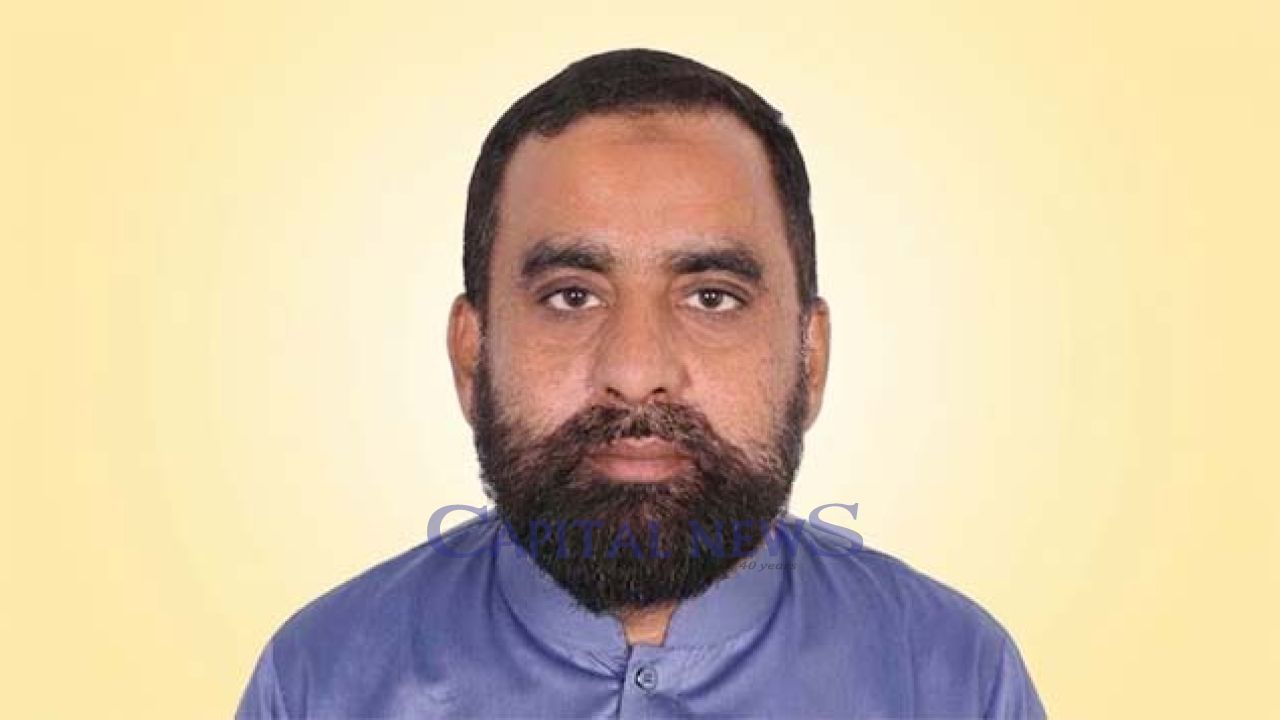
Md. Mukhlesur Rahman

Former Member, Governing Body, Islami Bank Hospital, Rajshahi

Former Director, Hospitals Operated by Islami Bank Foundation

Subject : Op-Editorial

Write Your Opinion

The Daily Capital News

মঙ্গলবার, ২৪ নভেম্বর ২০২৬


Corruption in the Healthcare Sector: Playing with Human Lives

Publish Date : 17 November 2026

featured Image
Access to healthcare is a fundamental human right. People visit doctors and seek treatment at hospitals with the hope of recovering from illness. They place their trust in doctors and depend on healthcare institutions. The foundation of this trust is humanity, professional responsibility and ethical conduct. But when healthcare becomes a means of personal enrichment for certain individuals, and patients’ vulnerability is exploited for commission-based business, it is no longer merely a matter of corruption; it represents a profound moral decline. Unpleasant as it may sound, the state of Bangladesh’s healthcare sector confronts us with this harsh reality.A recent biennial research report for 2025–26 by Bangladesh Health Watch has revealed an alarming picture of corruption, irregularities and institutional weaknesses in the healthcare sector. According to the report, some doctors receive commissions amounting to 20 to 50 per cent of diagnostic test fees by referring patients to particular diagnostic centres. The annual volume of such commission transactions at major diagnostic institutions is estimated at approximately Tk 18.61 billion (Tk 1,861 crore). However, this estimate requires independent verification. It is not an audited or conclusively established figure; rather, it is a research-based estimate. Nevertheless, the findings are sufficient to illustrate the depth of the ethical crisis in the healthcare sector.The question is: when a doctor advises a patient to undergo tests at a particular diagnostic centre, what is the real motivation—to ensure the best possible treatment for the patient or to earn a personal commission in return for the referral? It would, however, be unfair to generalise these allegations to the entire medical profession. Thousands of doctors in Bangladesh perform their duties with dedication, integrity and compassion. But if anyone exploits the medical profession and turns patients’ illnesses into a source of personal income, strict action must be taken against them. Such practices expose patients to unnecessary diagnostic tests, increase the cost of treatment and undermine the impartiality of medical advice.Another serious problem in the healthcare sector is the absence of doctors from their assigned workplaces in government hospitals. According to Bangladesh Health Watch’s research, approximately 40 per cent of doctors were found absent during unannounced inspections. In some healthcare facilities in remote areas, the rate of absenteeism exceeded 70 per cent. The report also highlights allegations that some doctors receive salaries and allowances without performing their assigned duties. When a poor patient visits an upazila or district hospital in search of treatment, the absence of a doctor leaves them helpless and distressed. In many cases, patients are forced to seek treatment at private hospitals or clinics, significantly increasing their medical expenses. Receiving government salaries and benefits without fulfilling professional responsibilities is not merely an administrative offence; it is an act of gross negligence and indifference towards sick and vulnerable people.The activities of brokers and intermediaries operating inside government hospitals are another disturbing concern. Allegations of illegal payments demanded from patients in exchange for hospital beds, discharge procedures, surgery schedules and access to medical services are widespread. The report cites an incident in which a ward employee allegedly took Tk 5,000 from an elderly patient by promising to arrange a date for surgery, even though the concerned ward had no facility for performing such an operation. More concerning is that, instead of taking appropriate disciplinary action against the employee, the authorities reportedly transferred him elsewhere. Such administrative responses do not discourage corruption; rather, they foster a culture of impunity among those involved in irregularities.Irregularities in the procurement of medical equipment are equally alarming. The report highlights financial losses amounting to Tk 4.59 billion (Tk 459 crore) in procurement activities of the Central Medical Stores Depot (CMSD). It also refers to medical equipment worth Tk 2.83 billion (Tk 283 crore) lying unused. Some equipment was reportedly purchased at prices up to 18 times higher than the prevailing market rates. On the one hand, numerous hospitals across the country lack essential medical equipment; on the other, equipment worth billions of taka is purchased and subsequently left unused. What could be a greater example of waste and irresponsibility? An impartial investigation is urgently needed to establish who was involved in these procurements, how the tendering process was conducted, why there was such a significant discrepancy between market prices and procurement costs, and who should be held accountable for leaving the equipment unused.Corruption in the healthcare sector is not confined to financial embezzlement or commission-based transactions. Allegations of political influence, nepotism and irregularities also surround recruitment, transfers and promotions. The report identifies these weaknesses in the human resource management of more than 180,000 healthcare workers. If political connections or personal influence, rather than merit and professional competence, determine recruitment and promotion, how can the quality of healthcare improve? Medicine is a specialised profession in which incompetence and irresponsibility can cost human lives. Therefore, transparency and merit-based evaluation must be ensured at every stage, from recruitment to promotion.Weaknesses in regulatory institutions are another major contributing factor to this crisis. Between 2010 and May 2025, the Bangladesh Medical and Dental Council (BMDC) reportedly received 172 complaints. Of these, 79 were awaiting resolution, while disciplinary action had been taken in only 29 cases. If complaints of medical negligence remain unresolved for years, how can patients expect justice? It is essential to ensure professional accountability among doctors and strengthen the independence, impartiality and effectiveness of regulatory and supervisory institutions.As stated earlier, not all members of the medical profession are involved in corruption. A large number of doctors continue to provide healthcare services with sincerity despite challenging working conditions, inadequate facilities and staff shortages. Protecting their dignity and professional standing is the responsibility of the state. At the same time, those who exploit patients’ vulnerability under the cover of their professional identity must not be shielded from accountability. Holding the entire medical community responsible for the misconduct of individuals would be unjust, just as granting immunity to offenders because of their professional status would be unacceptable.Overcoming this crisis requires coordinated and structural reforms. First, effective legal measures and strict monitoring must be introduced to prevent doctors from receiving undisclosed commissions in exchange for patient referrals. Second, digital attendance systems and regular surprise inspections should be introduced to ensure the presence of doctors in government hospitals. Third, information relating to public procurement—including tender procedures, purchase prices, delivery, installation and actual use of equipment—must be made publicly accessible. Fourth, an independent and effective mechanism should be established to ensure the prompt resolution of complaints concerning medical negligence and professional misconduct. In addition, legal protection must be guaranteed for individuals who expose corruption and irregularities.The healthcare sector is not an ordinary commercial industry. It involves human life, death, suffering and the fundamental right to survive. From the Islamic perspective, protecting human life is a sacred trust and a matter of paramount importance. A patient approaches a doctor as someone who places their health and, at times, their very life in the hands of that doctor’s knowledge, competence and integrity. Those who abuse this trust may look like human beings, but their conduct is utterly inhumane.The government must recognise that building new hospitals, increasing budgetary allocations or purchasing medical equipment alone cannot improve healthcare services. What is needed is good governance, integrity, accountability and effective oversight. Regardless of who is involved in corruption, legal action must be taken without consideration of political identity, professional status or personal influence. Ordinary people are paying the price of corruption: some are forced to sell their land, others to borrow money, while many lose their loved ones because they cannot afford or access proper medical treatment.No one has the right to play with human lives. Protecting healthcare services from commission-based business, irregularities and vested interests is now an urgent national priority. The state must act without further delay to combat corruption in the healthcare sector and safeguard patients’ rights.Md. Mukhlesur RahmanFormer Member, Governing Body, Islami Bank Hospital, RajshahiFormer Director, Hospitals Operated by Islami Bank Foundation

The Daily Capital News

Advisory Editor: Gayeshwar Chandra Roy
Editor: Abul Kashem Majumder
Acting Editor: Mohammad Alamgir Hossain
Executive Editor: Farid Ahmed Ripon

© 2025 The Daily Capital News