
The Daily Capital News

The Risk of Banking Sector Insolvency: Who Is Responsible, and Who Will Rescue It?

The Risk of Banking Sector Insolvency: Who Is Responsible, and Who Will Rescue It?

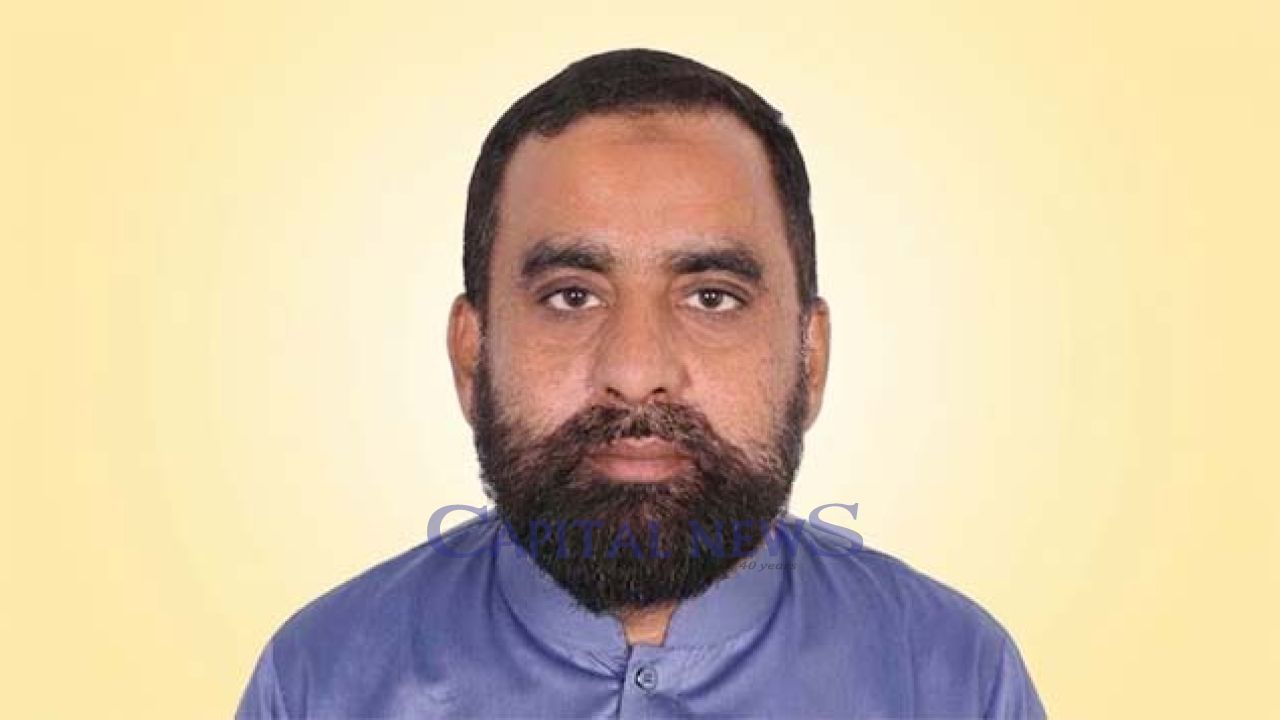
Md. Mukhlesur Rahman: Bringing those responsible for financial looting to justice, recovering misappropriated assets, protecting depositors and ensuring good governance must be treated as national priorities requiring urgent and effective action.


One of the most serious and complex challenges facing Bangladesh’s economy is the deepening crisis in the banking sector. There is little room for doubt that the very foundation of a system upon which the country’s trade, commerce, industrialisation, employment, international transactions and people’s savings depend has become increasingly fragile. Recent assessments by the influential London-based magazine The Economist, together with Bangladesh Bank’s statistics, have highlighted the alarming scale of the crisis. The fundamental questions are: Who is responsible for this financial catastrophe, and what measures are needed to overcome it?


According to The Economist, a substantial portion of Bangladesh’s banking sector is at risk of insolvency. The crisis has been driven by years of political interference, loan fraud, the influence of business groups close to those in power and the diversion of enormous sums of money from banks. The unprecedented irregularities, corruption and financial looting that took place in the banking sector during Sheikh Hasina’s prolonged tenure have left the country facing their devastating consequences.


According to Bangladesh Bank data for the second quarter of 2026, non-performing loans (NPLs) accounted for approximately 32.78 per cent of total outstanding loans. In other words, nearly Tk 33 out of every Tk 100 lent by banks had become classified as non-performing. Even more alarming is the banking sector’s capital adequacy shortfall, which has reached 3.8 per cent. Capital adequacy is one of the most important indicators of a bank’s financial strength and its ability to absorb losses. Its deterioration indicates that many banks lack sufficient capital of their own to withstand mounting financial losses.


One point needs to be clarified. The sharp increase in the NPL ratio does not necessarily mean that all these loans became newly defaulted at once. For years, the actual scale of the problem remained concealed through repeated loan rescheduling, special concessions and classification practices that were not fully consistent with international standards. As accounting and classification practices have increasingly moved towards international standards, the underlying weaknesses have become more visible. In other words, the disease is not new; rather, its true nature and severity were concealed for years.


No One Should Escape Accountability


The banking sector’s present predicament is not the result of an unforeseen natural disaster. It is the consequence of prolonged regulatory failures, political interference, conflicts of interest and a lack of institutional accountability.


There is considerable reason to investigate the roles played by bank boards of directors, senior management, regulatory authorities and individuals associated with political centres of power. Their respective responsibilities must be examined through impartial, transparent and internationally credible investigations.


In particular, the growing dominance of influential business groups over bank ownership and management transformed many institutions into financing vehicles for specific interest groups rather than institutions serving the interests of depositors. Fundamental principles of lending—including project viability assessments, borrowers’ financial capacity, adequacy of collateral and verification of the actual use of loan proceeds—were allegedly disregarded in numerous cases, as reflected in various investigations and reports.


The Islamic banking sector has also suffered severely. Public confidence in Shariah-based banks was traditionally founded on expectations of integrity, ethical conduct, deposit security and interest-free financing. However, political interference, hostile takeovers or undue control over ownership and management, excessive financing concentration among particular business groups, and weaknesses in Shariah compliance have seriously undermined that confidence.


Simply retaining the name and institutional structure of Islamic banking does not make a bank genuinely Islamic. Authentic Islamic banking requires effective Shariah compliance, transparency, accountability and equitable financing practices.


Liquidity Support Alone Cannot Solve the Crisis


To address the banking crisis, Bangladesh Bank has provided emergency liquidity assistance to financially distressed banks on several occasions. Information published in reference to The Economist reportedly indicates that Bangladesh Bank has extended liquidity support equivalent to approximately US$6.2 billion. Meanwhile, assessments attributed to Moody’s have suggested that recapitalising the banking sector could require resources equivalent to around 10 per cent of GDP over several years.


This presents a major challenge for the government. Bangladesh’s tax revenue remains exceptionally low relative to GDP, making it extremely difficult for the government to mobilise such enormous resources for bank recapitalisation. Moreover, it would be neither fair nor economically justifiable to use taxpayers’ money indiscriminately to cover the losses resulting from financial looting and mismanagement.


Liquidity shortages and capital deficiencies are not the same thing. If a bank temporarily lacks sufficient cash to meet its obligations, emergency central bank assistance may be necessary. However, if the actual value of a bank’s assets has fallen below its liabilities, liquidity support alone cannot restore its financial health.


What is required in such circumstances is a comprehensive assessment of the bank’s actual financial position, recognition of genuine losses, capital restructuring and recovery of misappropriated funds from those responsible.


Recovery of Misappropriated Assets Must Be the Top Priority


The first priority in restoring the banking sector should be to identify funds and assets siphoned off through irregularities and take effective measures to recover them, including repatriating assets transferred abroad.


Loans granted through political influence, fraud, forged documents or collusive arrangements must be subjected to comprehensive investigation. Every stage of the lending process needs scrutiny, including loan approval, disbursement, actual utilisation of funds, acceptance and valuation of collateral, and subsequent rescheduling or restructuring of loans.


A coordinated initiative involving Bangladesh Bank, the Anti-Corruption Commission (ACC), the National Board of Revenue (NBR), the Bangladesh Financial Intelligence Unit (BFIU) and law enforcement agencies is essential to identify the domestic and overseas assets of defaulting borrowers and associated entities.


However, asset freezing, seizure and disposal must strictly comply with due process, lawful ownership requirements and the rights of legitimate third parties. No one’s property should be confiscated merely on the basis of allegations without following the appropriate legal procedures.


At the same time, the law must be applied equally to all wilful defaulters, regardless of their political affiliation, influence or social standing. There must be a clear distinction between wilful defaulters, borrowers who obtained loans through deception and genuine entrepreneurs experiencing temporary financial difficulties due to business setbacks.


Genuine entrepreneurs should be given reasonable opportunities for rehabilitation. However, financial looting and deliberate diversion of borrowed funds must never be legitimised by portraying them as ordinary business failures.


Depositors’ Protection Must Come First


Ordinary depositors are the biggest victims of the banking crisis. People deposit their savings in banks with the expectation that their money will remain secure and be available whenever needed. Yet, because of banking irregularities and institutional failures, their hard-earned savings have been exposed to uncertainty.


This is particularly distressing for retired individuals, small business owners, salaried employees, expatriate families and small savers.


The burden of a bank’s mismanagement must not be transferred to ordinary depositors. Effective implementation of deposit protection legislation, appropriate deposit insurance coverage and transparent restructuring plans for distressed banks are urgently needed.


The authorities must clearly communicate how much depositors will receive, when payments will be made and what procedures will be followed. Regular progress reports and clearly defined timelines are essential to restore public confidence.


Strong Reforms and Political Commitment Are Essential


Banking sector reform must not become the political programme of any particular party. It is a matter of national economic security and public interest.


If, following a change of government, control of banks simply passes from one influential group to another, the crisis will inevitably recur. Replacing one group of financial looters with another will make sustainable reform impossible.


Professional competence, integrity and independent decision-making must be ensured in bank boards of directors. Political interference and undue influence from bank owners in loan approval decisions must be eliminated. Bangladesh Bank must be empowered to exercise effective regulatory and supervisory independence.


Information regarding large loans, related-party lending, concentration of credit exposure and loan rescheduling should be disclosed regularly. Internal audits, external audits and risk management systems must also be strengthened to ensure institutional accountability.


Bank mergers, in my view, are not a magical solution either. Before a financially distressed bank is merged with a stronger institution, its actual assets, liabilities, capital shortfall and potential losses must be independently assessed.


Otherwise, the problems of one weak bank will simply be transferred to another, potentially undermining the financial health of the stronger institution. Whether the appropriate course of action is restructuring, merger or liquidation, the decision must be based on transparent financial assessments and the protection of depositors’ interests.


Ultimately, restoring the banking sector requires more than emergency financial assistance or administrative reshuffling. It demands accountability for past wrongdoing, recovery of misappropriated assets, protection of depositors, institutional independence and fundamental governance reforms.


The government, Bangladesh Bank and all relevant institutions must demonstrate the political will and professional commitment necessary to undertake these reforms. The future stability of Bangladesh’s economy, the confidence of investors and the financial security of millions of depositors depend on it.


Author: Md. Mukhlesur Rahman

Islamic Finance Specialist, Economist, Social and Political Thinker, Geopolitical Analyst and Human Rights Activist.

Subject : Op-Editorial

Write Your Opinion

The Daily Capital News

সোমবার, ২৩ নভেম্বর ২০২৬


The Risk of Banking Sector Insolvency: Who Is Responsible, and Who Will Rescue It?

Publish Date : 22 November 2026

featured Image
Md. Mukhlesur Rahman: Bringing those responsible for financial looting to justice, recovering misappropriated assets, protecting depositors and ensuring good governance must be treated as national priorities requiring urgent and effective action.One of the most serious and complex challenges facing Bangladesh’s economy is the deepening crisis in the banking sector. There is little room for doubt that the very foundation of a system upon which the country’s trade, commerce, industrialisation, employment, international transactions and people’s savings depend has become increasingly fragile. Recent assessments by the influential London-based magazine The Economist, together with Bangladesh Bank’s statistics, have highlighted the alarming scale of the crisis. The fundamental questions are: Who is responsible for this financial catastrophe, and what measures are needed to overcome it?According to The Economist, a substantial portion of Bangladesh’s banking sector is at risk of insolvency. The crisis has been driven by years of political interference, loan fraud, the influence of business groups close to those in power and the diversion of enormous sums of money from banks. The unprecedented irregularities, corruption and financial looting that took place in the banking sector during Sheikh Hasina’s prolonged tenure have left the country facing their devastating consequences.According to Bangladesh Bank data for the second quarter of 2026, non-performing loans (NPLs) accounted for approximately 32.78 per cent of total outstanding loans. In other words, nearly Tk 33 out of every Tk 100 lent by banks had become classified as non-performing. Even more alarming is the banking sector’s capital adequacy shortfall, which has reached 3.8 per cent. Capital adequacy is one of the most important indicators of a bank’s financial strength and its ability to absorb losses. Its deterioration indicates that many banks lack sufficient capital of their own to withstand mounting financial losses.One point needs to be clarified. The sharp increase in the NPL ratio does not necessarily mean that all these loans became newly defaulted at once. For years, the actual scale of the problem remained concealed through repeated loan rescheduling, special concessions and classification practices that were not fully consistent with international standards. As accounting and classification practices have increasingly moved towards international standards, the underlying weaknesses have become more visible. In other words, the disease is not new; rather, its true nature and severity were concealed for years.No One Should Escape AccountabilityThe banking sector’s present predicament is not the result of an unforeseen natural disaster. It is the consequence of prolonged regulatory failures, political interference, conflicts of interest and a lack of institutional accountability.There is considerable reason to investigate the roles played by bank boards of directors, senior management, regulatory authorities and individuals associated with political centres of power. Their respective responsibilities must be examined through impartial, transparent and internationally credible investigations.In particular, the growing dominance of influential business groups over bank ownership and management transformed many institutions into financing vehicles for specific interest groups rather than institutions serving the interests of depositors. Fundamental principles of lending—including project viability assessments, borrowers’ financial capacity, adequacy of collateral and verification of the actual use of loan proceeds—were allegedly disregarded in numerous cases, as reflected in various investigations and reports.The Islamic banking sector has also suffered severely. Public confidence in Shariah-based banks was traditionally founded on expectations of integrity, ethical conduct, deposit security and interest-free financing. However, political interference, hostile takeovers or undue control over ownership and management, excessive financing concentration among particular business groups, and weaknesses in Shariah compliance have seriously undermined that confidence.Simply retaining the name and institutional structure of Islamic banking does not make a bank genuinely Islamic. Authentic Islamic banking requires effective Shariah compliance, transparency, accountability and equitable financing practices.Liquidity Support Alone Cannot Solve the CrisisTo address the banking crisis, Bangladesh Bank has provided emergency liquidity assistance to financially distressed banks on several occasions. Information published in reference to The Economist reportedly indicates that Bangladesh Bank has extended liquidity support equivalent to approximately US$6.2 billion. Meanwhile, assessments attributed to Moody’s have suggested that recapitalising the banking sector could require resources equivalent to around 10 per cent of GDP over several years.This presents a major challenge for the government. Bangladesh’s tax revenue remains exceptionally low relative to GDP, making it extremely difficult for the government to mobilise such enormous resources for bank recapitalisation. Moreover, it would be neither fair nor economically justifiable to use taxpayers’ money indiscriminately to cover the losses resulting from financial looting and mismanagement.Liquidity shortages and capital deficiencies are not the same thing. If a bank temporarily lacks sufficient cash to meet its obligations, emergency central bank assistance may be necessary. However, if the actual value of a bank’s assets has fallen below its liabilities, liquidity support alone cannot restore its financial health.What is required in such circumstances is a comprehensive assessment of the bank’s actual financial position, recognition of genuine losses, capital restructuring and recovery of misappropriated funds from those responsible.Recovery of Misappropriated Assets Must Be the Top PriorityThe first priority in restoring the banking sector should be to identify funds and assets siphoned off through irregularities and take effective measures to recover them, including repatriating assets transferred abroad.Loans granted through political influence, fraud, forged documents or collusive arrangements must be subjected to comprehensive investigation. Every stage of the lending process needs scrutiny, including loan approval, disbursement, actual utilisation of funds, acceptance and valuation of collateral, and subsequent rescheduling or restructuring of loans.A coordinated initiative involving Bangladesh Bank, the Anti-Corruption Commission (ACC), the National Board of Revenue (NBR), the Bangladesh Financial Intelligence Unit (BFIU) and law enforcement agencies is essential to identify the domestic and overseas assets of defaulting borrowers and associated entities.However, asset freezing, seizure and disposal must strictly comply with due process, lawful ownership requirements and the rights of legitimate third parties. No one’s property should be confiscated merely on the basis of allegations without following the appropriate legal procedures.At the same time, the law must be applied equally to all wilful defaulters, regardless of their political affiliation, influence or social standing. There must be a clear distinction between wilful defaulters, borrowers who obtained loans through deception and genuine entrepreneurs experiencing temporary financial difficulties due to business setbacks.Genuine entrepreneurs should be given reasonable opportunities for rehabilitation. However, financial looting and deliberate diversion of borrowed funds must never be legitimised by portraying them as ordinary business failures.Depositors’ Protection Must Come FirstOrdinary depositors are the biggest victims of the banking crisis. People deposit their savings in banks with the expectation that their money will remain secure and be available whenever needed. Yet, because of banking irregularities and institutional failures, their hard-earned savings have been exposed to uncertainty.This is particularly distressing for retired individuals, small business owners, salaried employees, expatriate families and small savers.The burden of a bank’s mismanagement must not be transferred to ordinary depositors. Effective implementation of deposit protection legislation, appropriate deposit insurance coverage and transparent restructuring plans for distressed banks are urgently needed.The authorities must clearly communicate how much depositors will receive, when payments will be made and what procedures will be followed. Regular progress reports and clearly defined timelines are essential to restore public confidence.Strong Reforms and Political Commitment Are EssentialBanking sector reform must not become the political programme of any particular party. It is a matter of national economic security and public interest.If, following a change of government, control of banks simply passes from one influential group to another, the crisis will inevitably recur. Replacing one group of financial looters with another will make sustainable reform impossible.Professional competence, integrity and independent decision-making must be ensured in bank boards of directors. Political interference and undue influence from bank owners in loan approval decisions must be eliminated. Bangladesh Bank must be empowered to exercise effective regulatory and supervisory independence.Information regarding large loans, related-party lending, concentration of credit exposure and loan rescheduling should be disclosed regularly. Internal audits, external audits and risk management systems must also be strengthened to ensure institutional accountability.Bank mergers, in my view, are not a magical solution either. Before a financially distressed bank is merged with a stronger institution, its actual assets, liabilities, capital shortfall and potential losses must be independently assessed.Otherwise, the problems of one weak bank will simply be transferred to another, potentially undermining the financial health of the stronger institution. Whether the appropriate course of action is restructuring, merger or liquidation, the decision must be based on transparent financial assessments and the protection of depositors’ interests.Ultimately, restoring the banking sector requires more than emergency financial assistance or administrative reshuffling. It demands accountability for past wrongdoing, recovery of misappropriated assets, protection of depositors, institutional independence and fundamental governance reforms.The government, Bangladesh Bank and all relevant institutions must demonstrate the political will and professional commitment necessary to undertake these reforms. The future stability of Bangladesh’s economy, the confidence of investors and the financial security of millions of depositors depend on it.Author: Md. Mukhlesur RahmanIslamic Finance Specialist, Economist, Social and Political Thinker, Geopolitical Analyst and Human Rights Activist.

The Daily Capital News

Advisory Editor: Gayeshwar Chandra Roy
Editor: Abul Kashem Majumder
Acting Editor: Mohammad Alamgir Hossain
Executive Editor: Farid Ahmed Ripon

© 2025 The Daily Capital News