The Daily Capital News

Kashmir Martyrs' Day on Monday to remember 1931 massacre as security clampdowns persist in IIOJK

Kashmir Martyrs' Day on Monday to remember 1931 massacre as security clampdowns persist in IIOJK

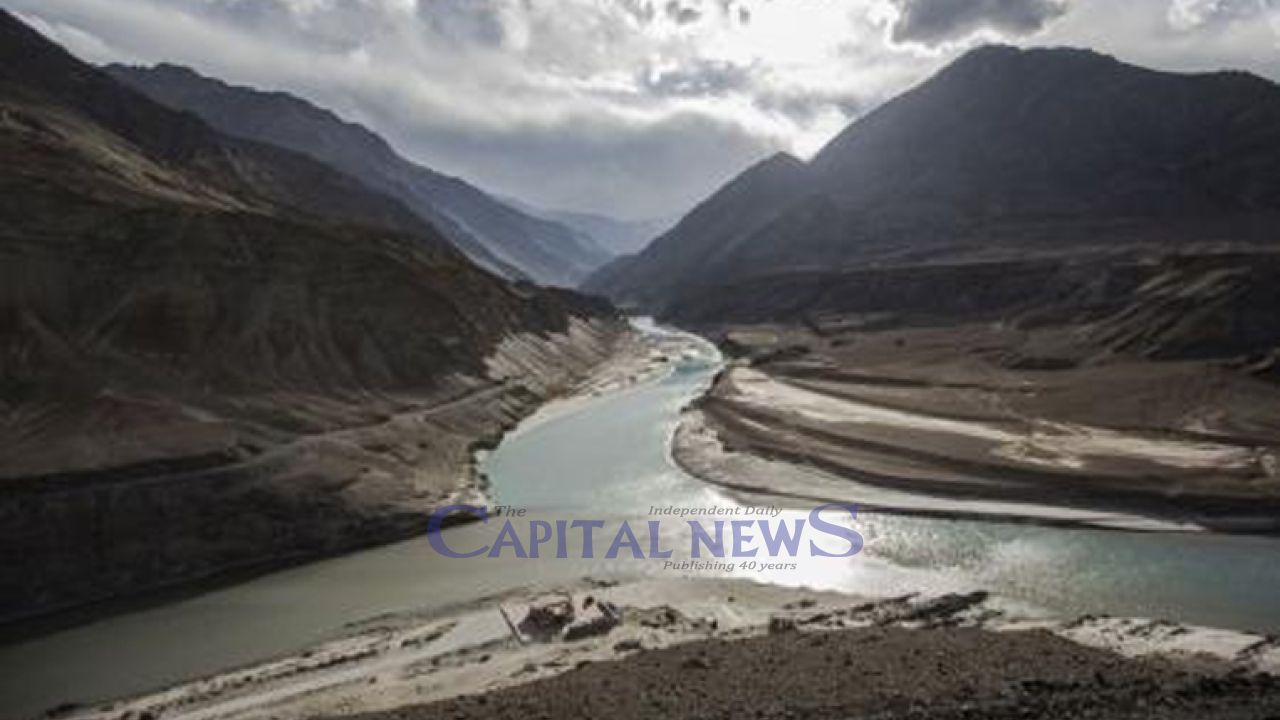
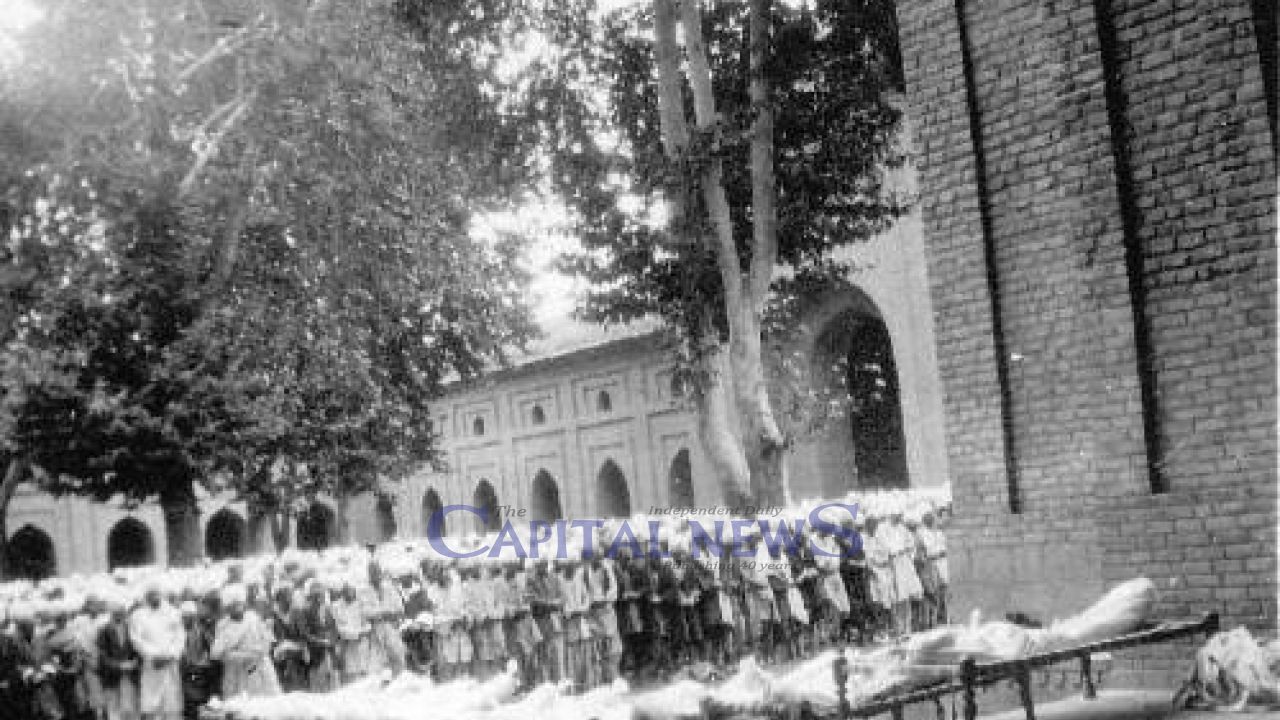
Online Desk: Kashmir Martyrs’ Day will be observed on Monday (July 13) to honour the 22 Kashmiri Muslims massacred by Dogra monarchy forces in 1931, a historic event that remains an indelible symbol of resistance after worshippers laid down their lives in defiance of state tyranny simply to complete the Azaan. The day recalls when, under Maharaja Hari Singh, the Muslim-majority population faced severe economic exploitation and religious discrimination. Tensions peaked during the trial of Abdul Qadeer, who was arrested for a fiery speech against autocratic rule.

On July 13, 1931, thousands gathered outside Srinagar’s Central Jail to support Qadeer. When the time for Zuhr prayer arrived, a young man stood up to deliver the Azaan and was shot dead on the orders of the Dogra governor. In an extraordinary act of resilience, another protester stepped forward to continue the call and was also shot. This succession continued until 22 Kashmiris were martyred, targeted one after another to silence a single Azaan. Once an official state holiday symbolising the foundational struggle for civic rights, its formal status was stripped by India following the unilateral revocation of Article 370 in August 2019.

As the anniversary is marked, the day honouring the 22 Kashmiris stands erased from the official calendar, with access to the Martyrs’ Graveyard sealed off by heavy barricades and razor wire in Indian Illegally Occupied Jammu and Kashmir (IIOJK). Historical patterns repeat as current Indian security forces adopt tactics reminiscent of the Dogra regime, intensifying systemic crackdowns on the civilian population across the occupied valley.

Decades of continuous conflict have resulted in over 96,000 Kashmiri casualties, leaving more than 22,000 women widowed, over 105,000 children orphaned, and over 10,000 documented cases of sexual violence. This pervasive military presence, constant surveillance, and structural accountability deficits have induced severe psychological trauma, sparking a widespread mental health crisis across generations of Kashmiris.

In addition to security clampdowns, systematic economic adjustments have targeted native Kashmiri trading sectors—including agriculture, apple orchards, and local artisans—crippling the valley’s traditional commercial independence and self-reliance.

Forced anti-encroachment demolition campaigns deliberately dispossess native populations of land ownership, while redrawn electoral maps allow non-locals to register as voters, systematically gerrymandering local constituencies.

The issuance of millions of domicile certificates to non-locals following the 2019 repeal of Articles 370 and 35A has drastically altered IIOJK’s demographic character, violating Article 49(6) of the Fourth Geneva Convention. These unilateral legislative and administrative overhauls directly defy multiple UN Security Council mandates, including Resolutions 47, 91, and 122, which strictly require a free and impartial plebiscite to determine the region’s final disposition.


Write Your Opinion

The Daily Capital News

সোমবার, ১৩ জুলাই ২০২৬


Kashmir Martyrs' Day on Monday to remember 1931 massacre as security clampdowns persist in IIOJK

Publish Date : 12 July 2026

featured Image
Online Desk: Kashmir Martyrs’ Day will be observed on Monday (July 13) to honour the 22 Kashmiri Muslims massacred by Dogra monarchy forces in 1931, a historic event that remains an indelible symbol of resistance after worshippers laid down their lives in defiance of state tyranny simply to complete the Azaan. The day recalls when, under Maharaja Hari Singh, the Muslim-majority population faced severe economic exploitation and religious discrimination. Tensions peaked during the trial of Abdul Qadeer, who was arrested for a fiery speech against autocratic rule.On July 13, 1931, thousands gathered outside Srinagar’s Central Jail to support Qadeer. When the time for Zuhr prayer arrived, a young man stood up to deliver the Azaan and was shot dead on the orders of the Dogra governor. In an extraordinary act of resilience, another protester stepped forward to continue the call and was also shot. This succession continued until 22 Kashmiris were martyred, targeted one after another to silence a single Azaan. Once an official state holiday symbolising the foundational struggle for civic rights, its formal status was stripped by India following the unilateral revocation of Article 370 in August 2019.As the anniversary is marked, the day honouring the 22 Kashmiris stands erased from the official calendar, with access to the Martyrs’ Graveyard sealed off by heavy barricades and razor wire in Indian Illegally Occupied Jammu and Kashmir (IIOJK). Historical patterns repeat as current Indian security forces adopt tactics reminiscent of the Dogra regime, intensifying systemic crackdowns on the civilian population across the occupied valley.Decades of continuous conflict have resulted in over 96,000 Kashmiri casualties, leaving more than 22,000 women widowed, over 105,000 children orphaned, and over 10,000 documented cases of sexual violence. This pervasive military presence, constant surveillance, and structural accountability deficits have induced severe psychological trauma, sparking a widespread mental health crisis across generations of Kashmiris.In addition to security clampdowns, systematic economic adjustments have targeted native Kashmiri trading sectors—including agriculture, apple orchards, and local artisans—crippling the valley’s traditional commercial independence and self-reliance.Forced anti-encroachment demolition campaigns deliberately dispossess native populations of land ownership, while redrawn electoral maps allow non-locals to register as voters, systematically gerrymandering local constituencies.The issuance of millions of domicile certificates to non-locals following the 2019 repeal of Articles 370 and 35A has drastically altered IIOJK’s demographic character, violating Article 49(6) of the Fourth Geneva Convention. These unilateral legislative and administrative overhauls directly defy multiple UN Security Council mandates, including Resolutions 47, 91, and 122, which strictly require a free and impartial plebiscite to determine the region’s final disposition.

The Daily Capital News

Advisory Editor: Gayeshwar Chandra Roy
Editor: Abul Kashem Majumder
Acting Editor: Mohammad Alamgir Hossain
Executive Editor: Farid Ahmed Ripon

© 2025 The Daily Capital News