The Daily Capital News

Why Bangladesh should build digital twins for critical infrastructure

Why Bangladesh should build digital twins for critical infrastructure

Tasnim Kabir: Bangladesh usually finds out about infrastructure weakness after the damage is already visible. A flooded road. A failed pump. A power interruption during a heat wave. By that point, the country isn't managing risk anymore. It's paying for failure that already happened.

A modern economy can't run its most important infrastructure on surprise.

Digital twins aren't a fashionable technology add on here. They're a practical tool for maintenance and planning. Roads, substations, water systems, ports, and hospitals aren't isolated assets anymore. They're connected. A power disruption stops water pumps. Drainage failure blocks transport. A telecom outage affects banking and emergency response at the same time.

The country needs a way to see these risks before they turn into headlines.

What a digital twin actually is

A digital twin is a virtual model of a real system. It can be something as plain as a dashboard showing pump condition, or something more advanced that predicts how a bridge or substation behaves under stress. The point isn't a nice 3D rendering. The point is connecting real operating data with engineering judgment, so someone can see what's about to fail and fix it first.

Critical infrastructure shouldn't be managed blind. That's the whole premise.

Having worked in power generation, water infrastructure, and data center operations, I've seen the same thing over and over: failure rarely starts the moment the public notices it. A pump shows abnormal vibration weeks before it dies. A transformer runs hot before it trips. A generator passes a visual inspection and then fails the first time it's actually under real load. Infrastructure talks through data and trends long before it talks through a headline. The question is whether anyone's listening.

Five places to start

Water and wastewater systems first. Utilities run on pumps, valves, and pipelines that a digital twin can map, monitor, and flag for abnormal loss. For drainage systems specifically, it can flag flood-prone zones before the rainy season, not after.

Power comes next. Bangladesh has made real progress on generation and access. Delivery is still the harder test. A digital twin of substations and feeders can show which transformer is overloaded and which feeder keeps tripping for no obvious reason, before a hospital or water plant loses power over it.

Transport and urban infrastructure third. Bridges and drainage corridors take a beating from traffic, weather, and time. Combining inspection data with structural condition lets engineers move from emergency repair to something closer to risk-based maintenance, fixing the thing likely to fail rather than the thing that already did.

Data centers and digital infrastructure fourth. Bangladesh's digital economy runs on uptime. A digital twin here means understanding power paths and cooling capacity before a facility goes down during exactly the wrong week.

Disaster preparedness fifth. Bangladesh is one of the most climate exposed countries on the planet. Planners can simulate what happens when a substation goes offline during a flood, and decide what gets fixed first based on actual consequence rather than which agency shouts loudest.

How to build this without wasting money

Don't try to build one perfect national digital twin overnight. That's expensive and probably impossible.

Start by naming priority infrastructure: water plants, substations, hospitals, ports, bridges. Then build accurate asset registers, because a lot of failures start with something embarrassingly basic: nobody actually knows the age or condition of the asset in question. Install sensors only where they matter, not everywhere, just on the pumps, transformers, and generators that actually carry consequence. Connect that data to dashboards engineers will genuinely use, not ones that sit unopened. Then train people to read the data and act on it.

Technology without a maintenance culture behind it fixes nothing.

Cybersecurity has to be part of this from the start too. A digital twin wired into real infrastructure needs access control and network segmentation, or it becomes a new risk instead of solving an old one.

Why this actually pays off

Better infrastructure visibility means fewer emergency repairs, longer asset life, and fewer preventable failures showing up in the news. For investors, it signals that Bangladesh can support serious industry and digital growth without the grid or water system buckling under it.

Bangladesh has built with ambition for years. The next step is operating what it built with some actual intelligence behind it. Not because "digital twin" sounds advanced, but because roads, power systems, and hospitals have gotten too interconnected to manage through delayed reports and emergency phone calls after the fact.

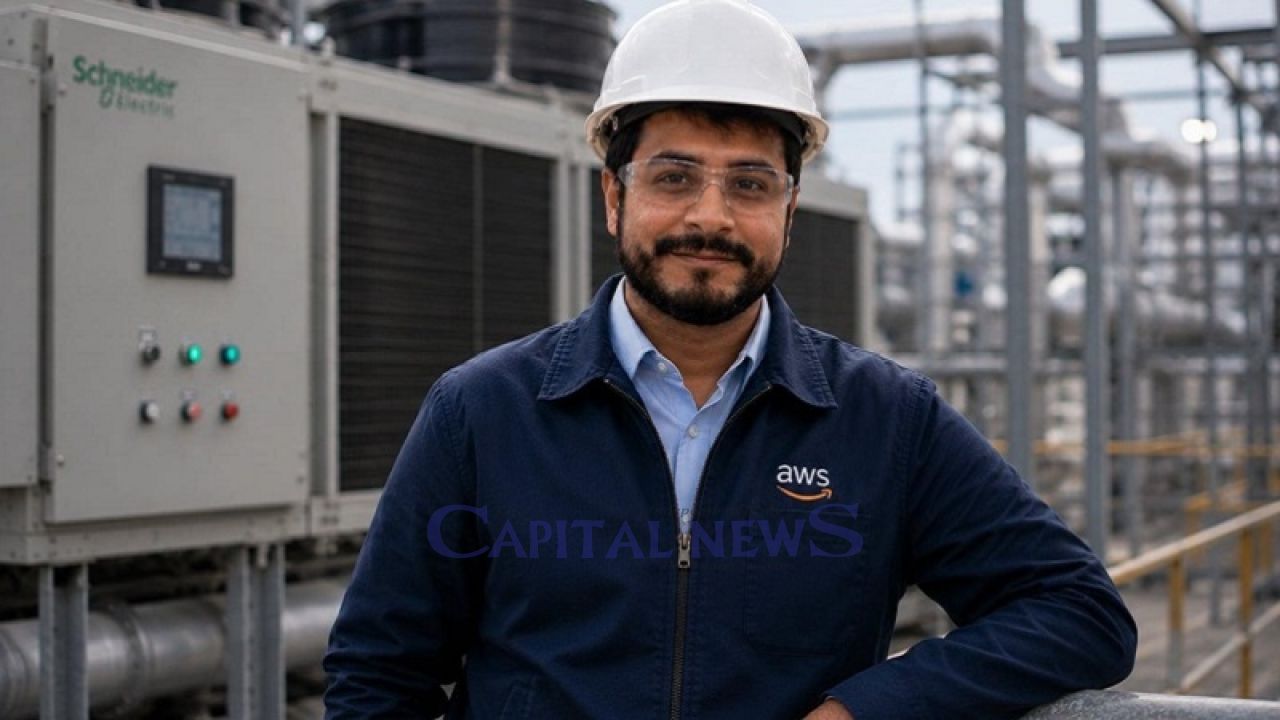
Writer: Tasnim Kabir is a Data Center Engineering Operations Engineer (DCEO Engineer) at Amazon Web Services (AWS)

Subject : Op-Editorial

Write Your Opinion

The Daily Capital News

শনিবার, ১৮ জুলাই ২০২৬


Why Bangladesh should build digital twins for critical infrastructure

Publish Date : 18 July 2026

featured Image
Tasnim Kabir: Bangladesh usually finds out about infrastructure weakness after the damage is already visible. A flooded road. A failed pump. A power interruption during a heat wave. By that point, the country isn't managing risk anymore. It's paying for failure that already happened.A modern economy can't run its most important infrastructure on surprise.Digital twins aren't a fashionable technology add on here. They're a practical tool for maintenance and planning. Roads, substations, water systems, ports, and hospitals aren't isolated assets anymore. They're connected. A power disruption stops water pumps. Drainage failure blocks transport. A telecom outage affects banking and emergency response at the same time.The country needs a way to see these risks before they turn into headlines.What a digital twin actually isA digital twin is a virtual model of a real system. It can be something as plain as a dashboard showing pump condition, or something more advanced that predicts how a bridge or substation behaves under stress. The point isn't a nice 3D rendering. The point is connecting real operating data with engineering judgment, so someone can see what's about to fail and fix it first.Critical infrastructure shouldn't be managed blind. That's the whole premise.Having worked in power generation, water infrastructure, and data center operations, I've seen the same thing over and over: failure rarely starts the moment the public notices it. A pump shows abnormal vibration weeks before it dies. A transformer runs hot before it trips. A generator passes a visual inspection and then fails the first time it's actually under real load. Infrastructure talks through data and trends long before it talks through a headline. The question is whether anyone's listening.Five places to startWater and wastewater systems first. Utilities run on pumps, valves, and pipelines that a digital twin can map, monitor, and flag for abnormal loss. For drainage systems specifically, it can flag flood-prone zones before the rainy season, not after.Power comes next. Bangladesh has made real progress on generation and access. Delivery is still the harder test. A digital twin of substations and feeders can show which transformer is overloaded and which feeder keeps tripping for no obvious reason, before a hospital or water plant loses power over it.Transport and urban infrastructure third. Bridges and drainage corridors take a beating from traffic, weather, and time. Combining inspection data with structural condition lets engineers move from emergency repair to something closer to risk-based maintenance, fixing the thing likely to fail rather than the thing that already did.Data centers and digital infrastructure fourth. Bangladesh's digital economy runs on uptime. A digital twin here means understanding power paths and cooling capacity before a facility goes down during exactly the wrong week.Disaster preparedness fifth. Bangladesh is one of the most climate exposed countries on the planet. Planners can simulate what happens when a substation goes offline during a flood, and decide what gets fixed first based on actual consequence rather than which agency shouts loudest.How to build this without wasting moneyDon't try to build one perfect national digital twin overnight. That's expensive and probably impossible.Start by naming priority infrastructure: water plants, substations, hospitals, ports, bridges. Then build accurate asset registers, because a lot of failures start with something embarrassingly basic: nobody actually knows the age or condition of the asset in question. Install sensors only where they matter, not everywhere, just on the pumps, transformers, and generators that actually carry consequence. Connect that data to dashboards engineers will genuinely use, not ones that sit unopened. Then train people to read the data and act on it.Technology without a maintenance culture behind it fixes nothing.Cybersecurity has to be part of this from the start too. A digital twin wired into real infrastructure needs access control and network segmentation, or it becomes a new risk instead of solving an old one.Why this actually pays offBetter infrastructure visibility means fewer emergency repairs, longer asset life, and fewer preventable failures showing up in the news. For investors, it signals that Bangladesh can support serious industry and digital growth without the grid or water system buckling under it.Bangladesh has built with ambition for years. The next step is operating what it built with some actual intelligence behind it. Not because "digital twin" sounds advanced, but because roads, power systems, and hospitals have gotten too interconnected to manage through delayed reports and emergency phone calls after the fact.Writer: Tasnim Kabir is a Data Center Engineering Operations Engineer (DCEO Engineer) at Amazon Web Services (AWS)

The Daily Capital News

Advisory Editor: Gayeshwar Chandra Roy
Editor: Abul Kashem Majumder
Acting Editor: Mohammad Alamgir Hossain
Executive Editor: Farid Ahmed Ripon

© 2025 The Daily Capital News