

Indian media cheers Balochistan's fictitious breakaway, echoing Operation Sindoor's fictional maps of captured Pakistani cities Mediaanalysis service
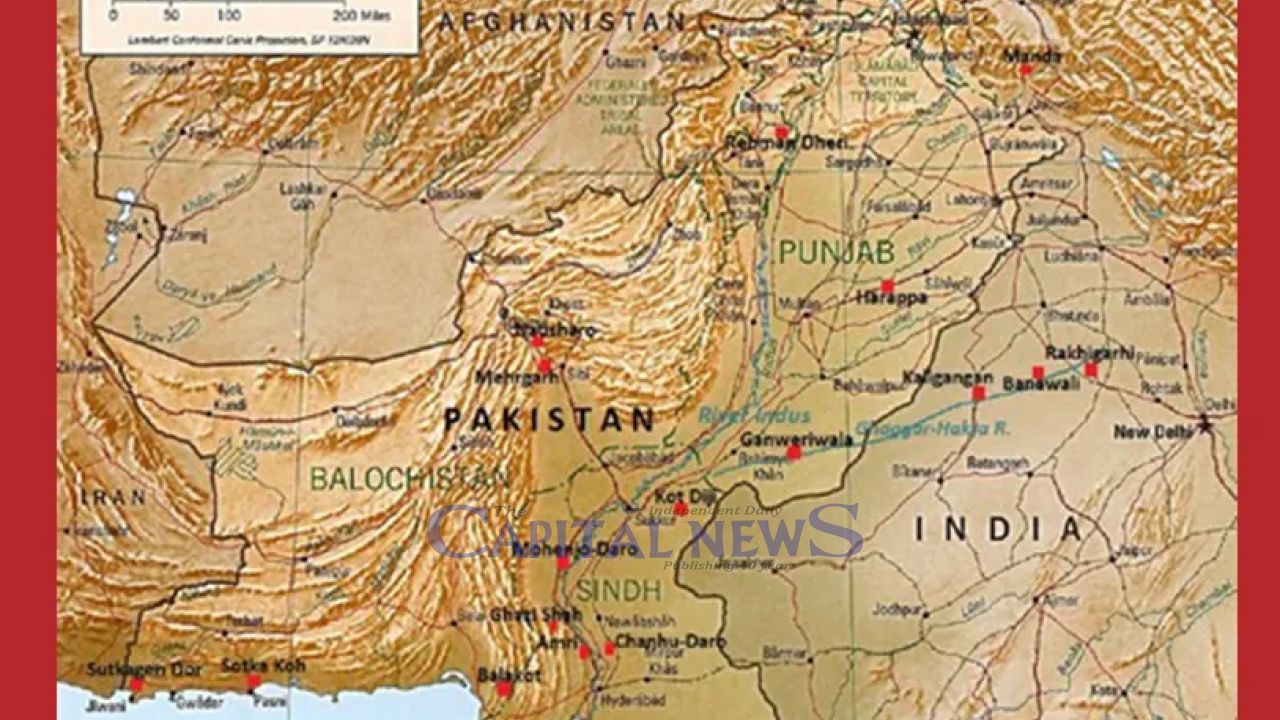
Maskwaith Ahsan: Unverified posts circulating on Facebook and Instagram are claiming that the Balochistan province of Pakistan has declared itself an independent country. According to these posts, the so-called Balochistan Army has taken control of 85 per cent of the region. They further claim that the new state has adopted its own flag, national anthem, currency and administrative system.
The posts also claim that the new administration has assumed
control over Balochistan's mineral resources, particularly more than 200 coal
mines.
The Pakistani authorities have not issued any official
response to these social media posts regarding the alleged declaration of
independence. International observers largely view them as part of a
long-running campaign advocating Balochistan's independence.
Indian media outlets have greeted the alleged declaration of
Balochistan's independence with considerable enthusiasm. This recalls the
recent period during India's Operation Sindoor against Pakistan, when sections
of the Indian media confidently broadcast animated graphics depicting Indian
forces capturing Karachi Port, Lahore and Islamabad, and raising the Indian
flag over them. The current reporting on Balochistan's purported declaration of
independence seems to draw from the same well of imagination.
Ever since the arrest of Indian intelligence operative
Kulbhushan Jadhav in Balochistan, Islamabad has consistently accused Indian
intelligence agencies of involvement in terrorist activities in the province.
More recently, during the hijacking of a train in Balochistan, the weapons and
communication equipment reportedly used by the attackers suggested, according
to Pakistani authorities, the involvement of a professionally trained military
force.
In recent months, Islamabad has also portrayed the growing
rapprochement between the Taliban government in Afghanistan and New Delhi,
together with the pattern of militants crossing into Pakistan's Balochistan and
Khyber Pakhtunkhwa provinces from Afghanistan to carry out attacks before
retreating across the border, as part of an Indian proxy war conducted through
the Tehreek-e-Taliban Pakistan (TTP), which is based in Afghanistan.
For a long time, the idea of creating an independent
Balochistan was generally viewed as little more than an Indian aspiration.
However, following Pakistan's mediation efforts aimed at halting the recent US
and Israeli military campaign against Iran, Israel openly expressed deep
dissatisfaction with both Iran and Pakistan.
Given that India is widely regarded as Israel's closest
partner in the region, there are now reports that Israel may also be taking an
interest in the Balochistan issue. It should be remembered that Iran's Sistan
and Baluchestan Province is home to another part of the Baloch population.
Recent events indicate that Israel and India are working in tandem toward the
goal of establishing an independent Greater Balochistan comprising Pakistan's
Balochistan and Iran's Sistan and Baluchestan. The underlying assumption is
that such a state would significantly weaken both Pakistan and Iran.
The declaration of an independent Balochistan currently
exists only as a social media narrative. On the ground, Pakistan continues to
exercise control over Balochistan, while Iran remains firmly in control of
Sistan and Baluchestan.
Since Balochistan hosts major Chinese economic investments,
particularly under the China-Pakistan Economic Corridor (CPEC), Indian media
narratives also suggest an ambition to establish influence there as a means of
simultaneously countering both China and Pakistan.
China's efforts to safeguard its economic investments in
Balochistan are therefore entirely understandable. Likewise, the recent
Iran-US-Israel conflict demonstrates the extent of Iran's military
capabilities. Pakistan also responded forcefully to India's Operation Sindoor.
Consequently, the visions inspired by religious and mythological narratives,
whether Israel's concept of a "Greater Israel" or India's idea of an
"Akhand Bharat" (Undivided India), appear extremely difficult to
translate into geopolitical reality.
Moreover, both India and Pakistan possess nuclear weapons.
For that reason, the world's major powers are unlikely to allow any conflict
between them to escalate to the point of nuclear confrontation. As such,
implementing a plan in Balochistan that resembles the plot of a grand Bollywood
action film is far from straightforward.
For now, the notion that Balochistan can be made independent
through militant groups operating from Afghanistan remains little more than a
social media fantasy. If, at some point, these Facebook and Instagram
narratives begin to acquire a tangible basis in reality, there will certainly
be reason to write about them then.
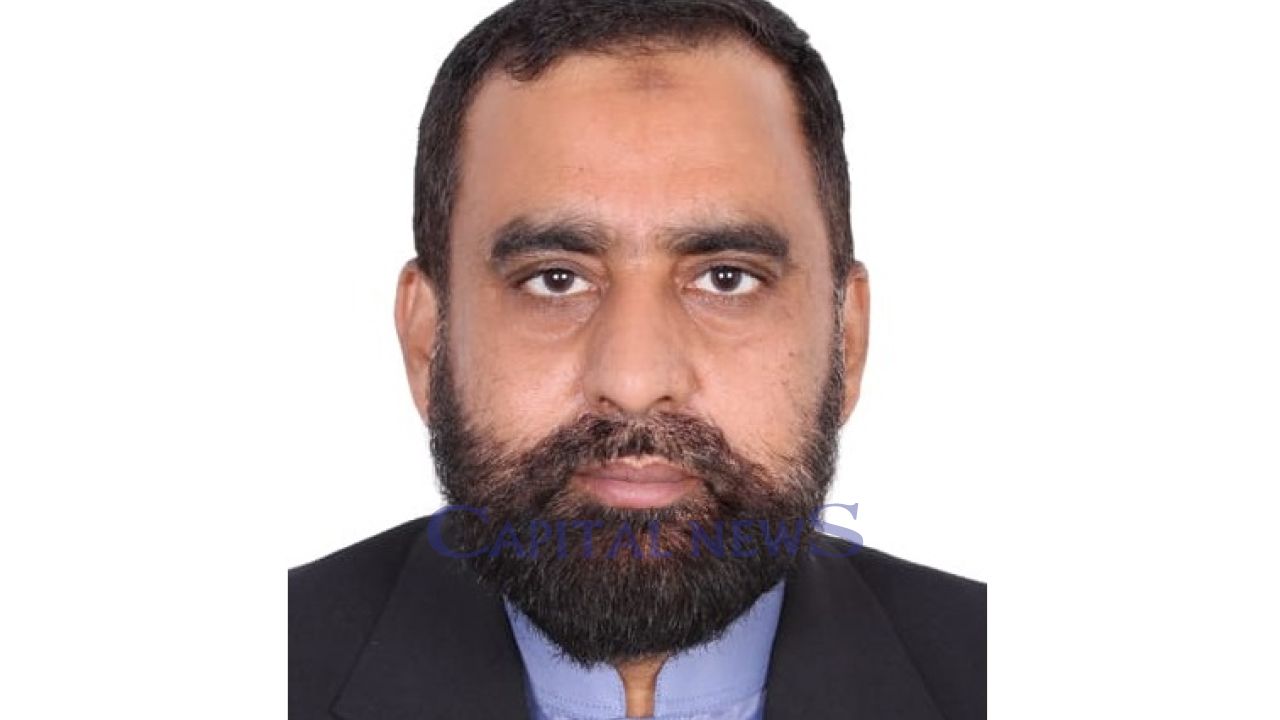
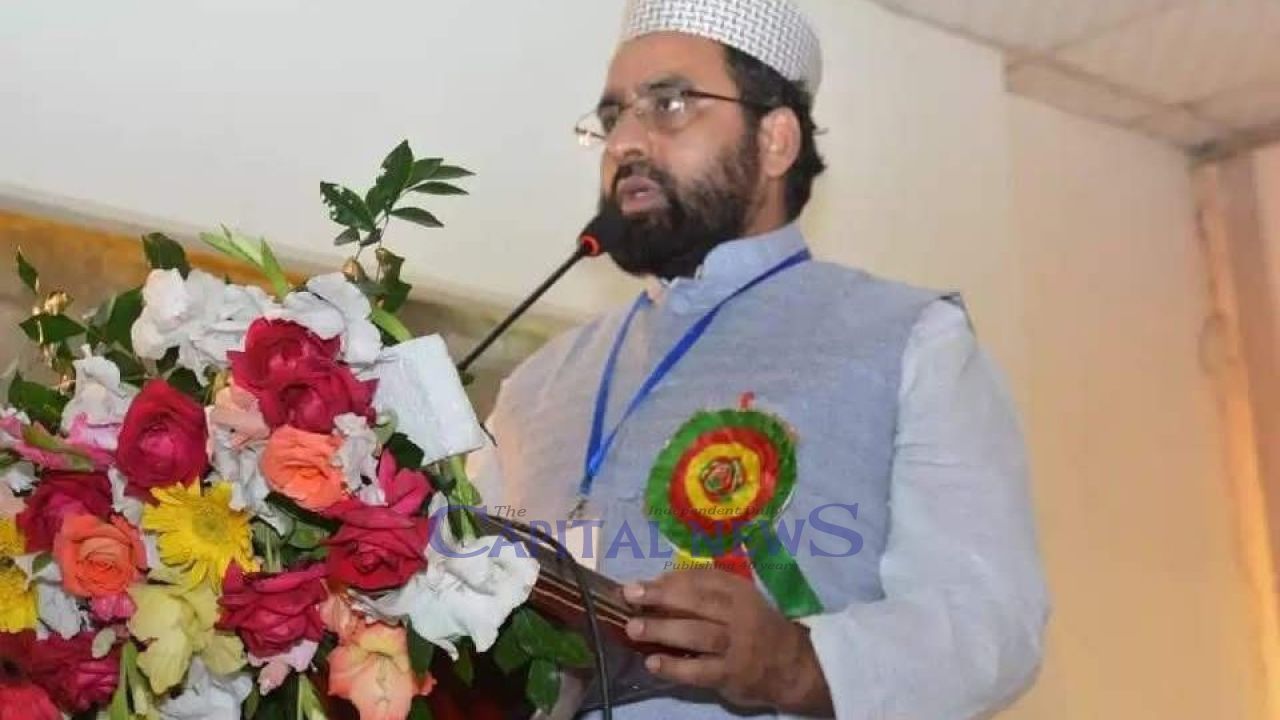
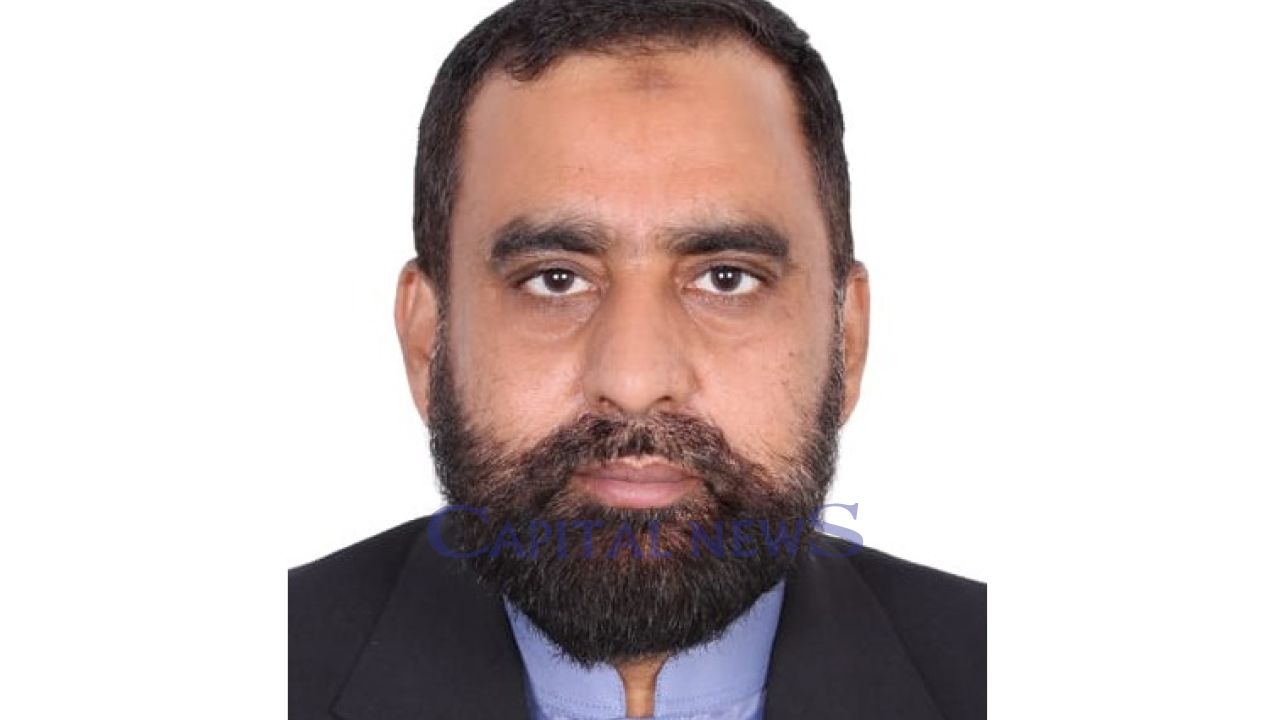
About the author: Maskwaith
Ahsan is the Editor-in-Chief of E-SouthAsia
Subject : Op-Editorial
শুক্রবার, ২৪ জুলাই ২০২৬
Publish Date : 23 July 2026


Write Your Opinion