The Daily Capital News

Ensuring a Safe Childhood: A Shared Responsibility of the State, Society, and the Family

Ensuring a Safe Childhood: A Shared Responsibility of the State, Society, and the Family

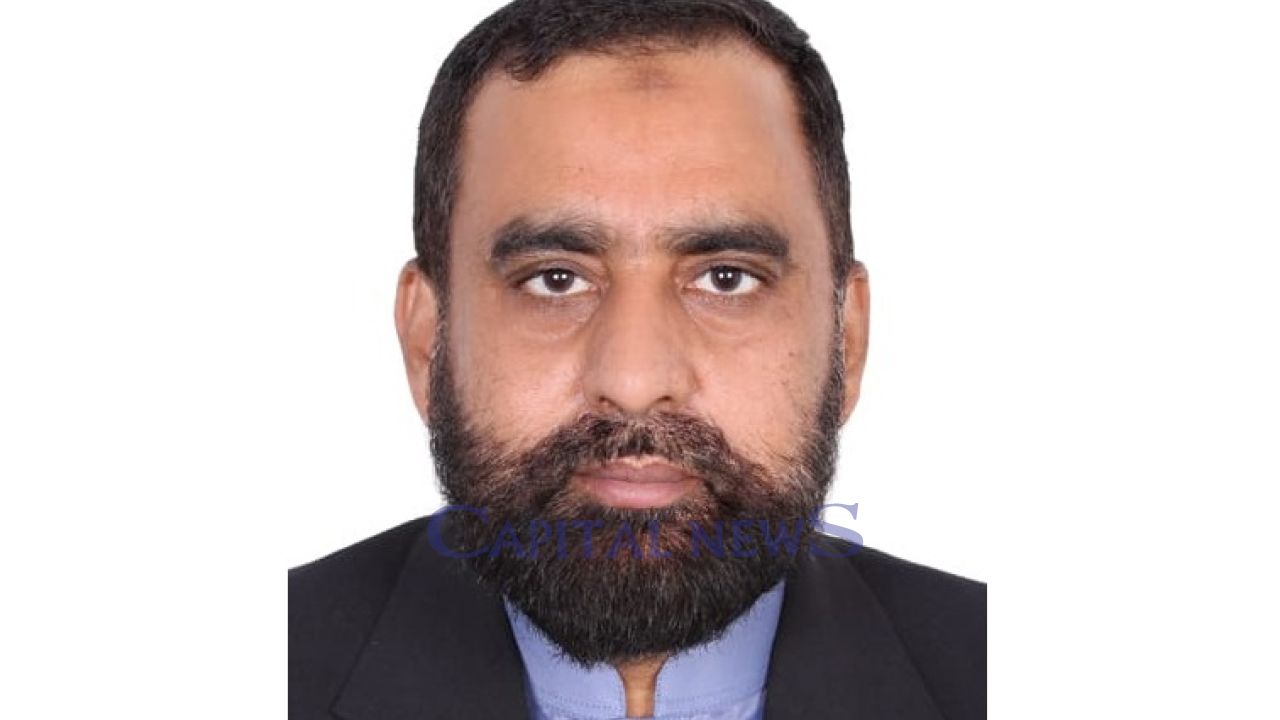
Md. Mukhlesur Rahman: Every child represents the promise of a brighter future. The children of today are the citizens, leaders, professionals, and changemakers of tomorrow. The birth of a child is not merely the expansion of a family; it is the birth of new hope for a nation.


The infant in a mother’s arms today may one day become a scholar, teacher, scientist, judge, physician, entrepreneur, writer, journalist, policymaker, or national leader. More importantly, every child has the potential to become a compassionate, responsible, and ethical citizen who contributes to the progress of society.


For this reason, ensuring that every child grows up in a safe, healthy, nurturing, and dignified environment is not solely a parental obligation. It is a shared moral, legal, and constitutional responsibility of families, communities, educational institutions, and the State.


Child Abuse: A Persistent Global Challenge


Despite remarkable progress in child protection over recent decades, millions of children around the world continue to experience physical, psychological, emotional, and social abuse. Bangladesh, like many other countries, is not immune to this challenge.


Child abuse cuts across social and economic boundaries. It occurs not only in disadvantaged households but also within affluent families, schools, religious institutions, workplaces, childcare settings, and increasingly within digital spaces.


Particularly concerning is the widespread tendency to justify abusive behavior under the guise of “discipline,” “education,” or “character building.” Such misconceptions must be challenged. Discipline should never become an excuse for violence or humiliation.


Discipline Must Never Become Abuse


Parents bear the primary responsibility for nurturing children into honest, disciplined, and responsible members of society. Likewise, teachers play a vital role in shaping character, promoting knowledge, and cultivating civic values.


Constructive discipline is an essential component of child development. However, discipline fundamentally differs from abuse.


Its purpose is to guide, educate, correct mistakes, and foster self-discipline—not to instill fear, inflict pain, humiliate, or intimidate.


When children obey only because they are afraid, genuine learning and healthy emotional development are compromised. Fear may secure temporary compliance, but it never builds confidence, resilience, or moral character.


Respect—not fear—should form the foundation of every educational and family relationship.


Psychological Abuse: The Invisible Wound


Physical violence is generally recognized as abuse. Psychological abuse, however, often remains hidden and underestimated despite its devastating long-term consequences.


Repeated statements such as, “You will never succeed,” “You are a disappointment,” or “You are worthless,” may leave lifelong emotional scars.


Similarly, public humiliation, constant comparisons with siblings or classmates, emotional neglect, rejection, or dismissing a child’s thoughts and feelings can severely damage self-esteem and emotional well-being.


Many adults continue to carry emotional wounds inflicted during childhood long after physical injuries have healed.


Invisible wounds often last the longest.


The Impact on Brain Development


Childhood is the most critical period of human brain development. During these formative years, love, emotional security, and positive relationships are essential for healthy cognitive, emotional, and social growth.


Children who are repeatedly exposed to fear, humiliation, or violence often experience difficulties in learning, concentration, emotional regulation, social interaction, and decision-making.


Scientific research consistently demonstrates that adverse childhood experiences can affect educational achievement, employment, mental health, and family relationships throughout adulthood.


Protecting children, therefore, is not merely a humanitarian obligation—it is an investment in a nation’s future.


The Islamic Perspective: Mercy Before Authority


Islam places exceptional emphasis on mercy, justice, compassion, and human dignity.


The Prophet Muhammad (peace and blessings be upon him) exemplified kindness toward children throughout his life. He greeted them warmly, played with them, embraced them, and respected their emotions and individuality.


He said:


“He is not one of us who does not show mercy to our young and respect to our elders.”

(Jami’ al-Tirmidhi)


The Holy Qur’an repeatedly commands believers to uphold justice, kindness, and excellence in conduct.


Cruelty toward children therefore contradicts the ethical and moral foundations of Islam.


Law Must Be Complemented by Social Responsibility


Effective child protection requires more than legislation. Strong laws must be accompanied by public awareness, institutional accountability, efficient law enforcement, and timely justice.


When abuse is ignored or concealed, perpetrators are emboldened while victims are denied protection and justice.


Governments, educational institutions, civil society organizations, faith leaders, and families must work together under a policy of zero tolerance for every form of child abuse.


Schools Should Be Places of Safety and Inspiration


Educational institutions should provide children with environments where they feel safe, respected, encouraged, and inspired to learn.


Children should be able to ask questions, express opinions, develop creativity, and discover their talents without fear of humiliation or violence.


Teachers are not merely transmitters of knowledge; they are mentors, role models, and builders of future generations.


Positive discipline, empathy, fairness, and respect must become the hallmarks of modern education.


New Risks in the Digital Age


Today’s children navigate both physical and digital environments.


Cyberbullying, online harassment, exposure to harmful content, violations of privacy, and public humiliation on social media have emerged as new forms of psychological abuse.


Protecting children in the digital world has therefore become an essential component of child protection policies worldwide.


A Collective Call to Action


Preventing child abuse requires sustained commitment from every sector of society. Priority actions include:


* Promoting positive and non-violent parenting practices.

* Strictly implementing child protection policies in schools and educational institutions.

* Establishing safe, confidential, and child-friendly reporting mechanisms.

* Training parents, teachers, caregivers, and religious leaders in child protection.

* Expanding access to child and adolescent mental health services.

* Strengthening public awareness campaigns on children’s rights.

* Ensuring prompt, impartial investigations and accountability in every allegation of child abuse.


Conclusion


The true strength of any civilized nation is reflected in the safety, confidence, dignity, and happiness of its children.


Abusing a child does not merely harm one individual; it weakens the future of an entire society.


Children are not symbols of weakness. They are reservoirs of limitless potential.


Our responsibility is not to govern them through fear but to nurture them through love, respect, justice, moral guidance, and opportunity.


Let us replace intimidation with encouragement, humiliation with dignity, and violence with compassion.


Only by ensuring every child’s right to a safe and nurturing childhood can we build a peaceful, just, and prosperous Bangladesh—and contribute to a more humane world.


Md. Mukhlesur Rahman

Former Principal, Jameya Diniya

Founding Director, Ta’mirul Millat Madrasa, Tongi Branch

Social Thinker and Human Rights Activist


Write Your Opinion

The Daily Capital News

সোমবার, ২৭ জুলাই ২০২৬


Ensuring a Safe Childhood: A Shared Responsibility of the State, Society, and the Family

Publish Date : 26 July 2026

featured Image
Md. Mukhlesur Rahman: Every child represents the promise of a brighter future. The children of today are the citizens, leaders, professionals, and changemakers of tomorrow. The birth of a child is not merely the expansion of a family; it is the birth of new hope for a nation.The infant in a mother’s arms today may one day become a scholar, teacher, scientist, judge, physician, entrepreneur, writer, journalist, policymaker, or national leader. More importantly, every child has the potential to become a compassionate, responsible, and ethical citizen who contributes to the progress of society.For this reason, ensuring that every child grows up in a safe, healthy, nurturing, and dignified environment is not solely a parental obligation. It is a shared moral, legal, and constitutional responsibility of families, communities, educational institutions, and the State.Child Abuse: A Persistent Global ChallengeDespite remarkable progress in child protection over recent decades, millions of children around the world continue to experience physical, psychological, emotional, and social abuse. Bangladesh, like many other countries, is not immune to this challenge.Child abuse cuts across social and economic boundaries. It occurs not only in disadvantaged households but also within affluent families, schools, religious institutions, workplaces, childcare settings, and increasingly within digital spaces.Particularly concerning is the widespread tendency to justify abusive behavior under the guise of “discipline,” “education,” or “character building.” Such misconceptions must be challenged. Discipline should never become an excuse for violence or humiliation.Discipline Must Never Become AbuseParents bear the primary responsibility for nurturing children into honest, disciplined, and responsible members of society. Likewise, teachers play a vital role in shaping character, promoting knowledge, and cultivating civic values.Constructive discipline is an essential component of child development. However, discipline fundamentally differs from abuse.Its purpose is to guide, educate, correct mistakes, and foster self-discipline—not to instill fear, inflict pain, humiliate, or intimidate.When children obey only because they are afraid, genuine learning and healthy emotional development are compromised. Fear may secure temporary compliance, but it never builds confidence, resilience, or moral character.Respect—not fear—should form the foundation of every educational and family relationship.Psychological Abuse: The Invisible WoundPhysical violence is generally recognized as abuse. Psychological abuse, however, often remains hidden and underestimated despite its devastating long-term consequences.Repeated statements such as, “You will never succeed,” “You are a disappointment,” or “You are worthless,” may leave lifelong emotional scars.Similarly, public humiliation, constant comparisons with siblings or classmates, emotional neglect, rejection, or dismissing a child’s thoughts and feelings can severely damage self-esteem and emotional well-being.Many adults continue to carry emotional wounds inflicted during childhood long after physical injuries have healed.Invisible wounds often last the longest.The Impact on Brain DevelopmentChildhood is the most critical period of human brain development. During these formative years, love, emotional security, and positive relationships are essential for healthy cognitive, emotional, and social growth.Children who are repeatedly exposed to fear, humiliation, or violence often experience difficulties in learning, concentration, emotional regulation, social interaction, and decision-making.Scientific research consistently demonstrates that adverse childhood experiences can affect educational achievement, employment, mental health, and family relationships throughout adulthood.Protecting children, therefore, is not merely a humanitarian obligation—it is an investment in a nation’s future.The Islamic Perspective: Mercy Before AuthorityIslam places exceptional emphasis on mercy, justice, compassion, and human dignity.The Prophet Muhammad (peace and blessings be upon him) exemplified kindness toward children throughout his life. He greeted them warmly, played with them, embraced them, and respected their emotions and individuality.He said:“He is not one of us who does not show mercy to our young and respect to our elders.”(Jami’ al-Tirmidhi)The Holy Qur’an repeatedly commands believers to uphold justice, kindness, and excellence in conduct.Cruelty toward children therefore contradicts the ethical and moral foundations of Islam.Law Must Be Complemented by Social ResponsibilityEffective child protection requires more than legislation. Strong laws must be accompanied by public awareness, institutional accountability, efficient law enforcement, and timely justice.When abuse is ignored or concealed, perpetrators are emboldened while victims are denied protection and justice.Governments, educational institutions, civil society organizations, faith leaders, and families must work together under a policy of zero tolerance for every form of child abuse.Schools Should Be Places of Safety and InspirationEducational institutions should provide children with environments where they feel safe, respected, encouraged, and inspired to learn.Children should be able to ask questions, express opinions, develop creativity, and discover their talents without fear of humiliation or violence.Teachers are not merely transmitters of knowledge; they are mentors, role models, and builders of future generations.Positive discipline, empathy, fairness, and respect must become the hallmarks of modern education.New Risks in the Digital AgeToday’s children navigate both physical and digital environments.Cyberbullying, online harassment, exposure to harmful content, violations of privacy, and public humiliation on social media have emerged as new forms of psychological abuse.Protecting children in the digital world has therefore become an essential component of child protection policies worldwide.A Collective Call to ActionPreventing child abuse requires sustained commitment from every sector of society. Priority actions include:* Promoting positive and non-violent parenting practices.* Strictly implementing child protection policies in schools and educational institutions.* Establishing safe, confidential, and child-friendly reporting mechanisms.* Training parents, teachers, caregivers, and religious leaders in child protection.* Expanding access to child and adolescent mental health services.* Strengthening public awareness campaigns on children’s rights.* Ensuring prompt, impartial investigations and accountability in every allegation of child abuse.ConclusionThe true strength of any civilized nation is reflected in the safety, confidence, dignity, and happiness of its children.Abusing a child does not merely harm one individual; it weakens the future of an entire society.Children are not symbols of weakness. They are reservoirs of limitless potential.Our responsibility is not to govern them through fear but to nurture them through love, respect, justice, moral guidance, and opportunity.Let us replace intimidation with encouragement, humiliation with dignity, and violence with compassion.Only by ensuring every child’s right to a safe and nurturing childhood can we build a peaceful, just, and prosperous Bangladesh—and contribute to a more humane world.Md. Mukhlesur RahmanFormer Principal, Jameya DiniyaFounding Director, Ta’mirul Millat Madrasa, Tongi BranchSocial Thinker and Human Rights Activist

The Daily Capital News

Advisory Editor: Gayeshwar Chandra Roy
Editor: Abul Kashem Majumder
Acting Editor: Mohammad Alamgir Hossain
Executive Editor: Farid Ahmed Ripon

© 2025 The Daily Capital News