

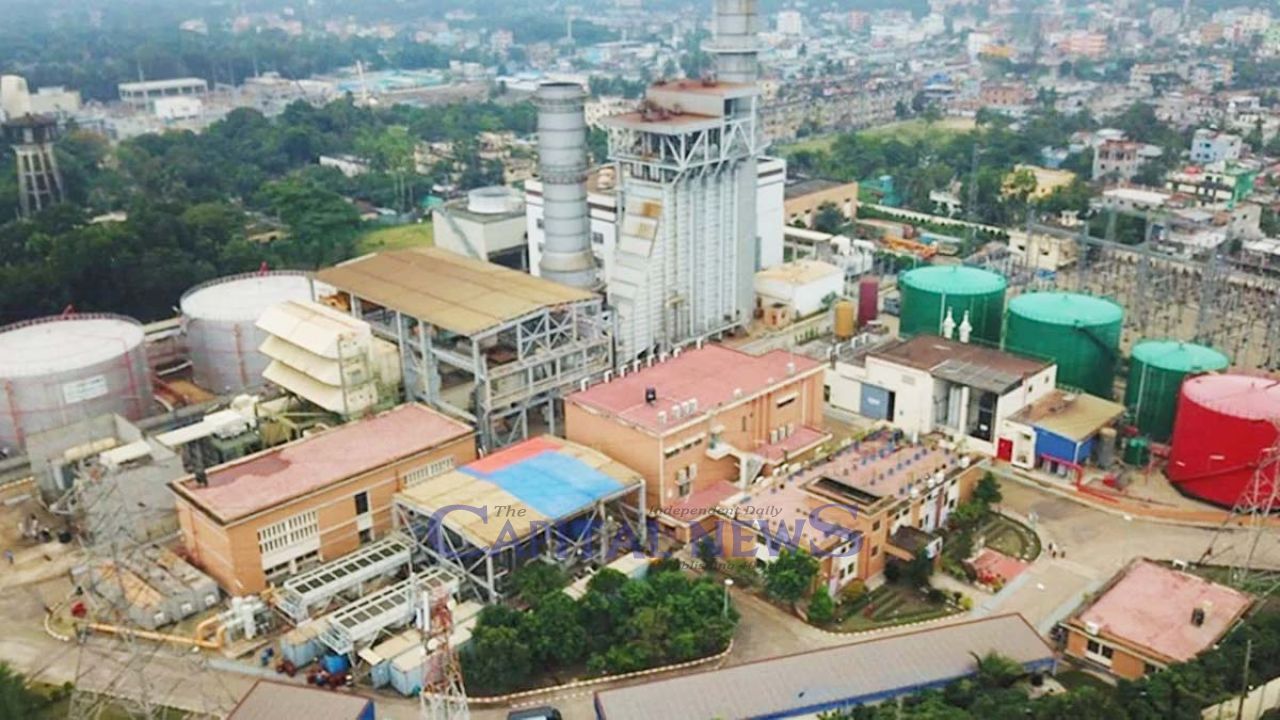
Rafi Rahmatullah, Khulna Bureau: Due to the energy crisis, most of the power plants in the Khulna region have stopped production. As a result, load shedding is intensifying due to the shortage of supply according to demand. The electricity distribution company Ojopadiko is conducting load shedding at regular intervals. Cities and villages remain without electricity for hours.
According to the Load Despatch Center of Power Grid Bangladesh, there are 10 power plants, large and small, in the Khulna region. Their combined generation capacity is about 3,700 MW. However, most of the power generation plants are closed due to the energy crisis. For example, on Monday, a total of 6 plants in the region, including Bheramara GTTP, Khulna 225 CCPP, Rupsha 105 MW, Mongla Orion, Rampal power plants, were closed. The previous day, 5 plants were closed on Sunday. 6 were closed on Saturday. 7 plants were closed on Friday. Analyzing the production data of the last 15 days, it was found that an average of 6 power plants stopped production. The main reason for the shutdown of power plants was mentioned as oil and gas crisis. Khulna 330 MW Power Plant Chief Engineer Md. Alamgir Mahfuzur Rahman said, "Despite having capacity, it is not possible to keep the plant running due to uncertainty in fuel supply. We have to stop production almost all the time due to non-compliance with the demand from the National Load Despatch Center. We have no fuel."
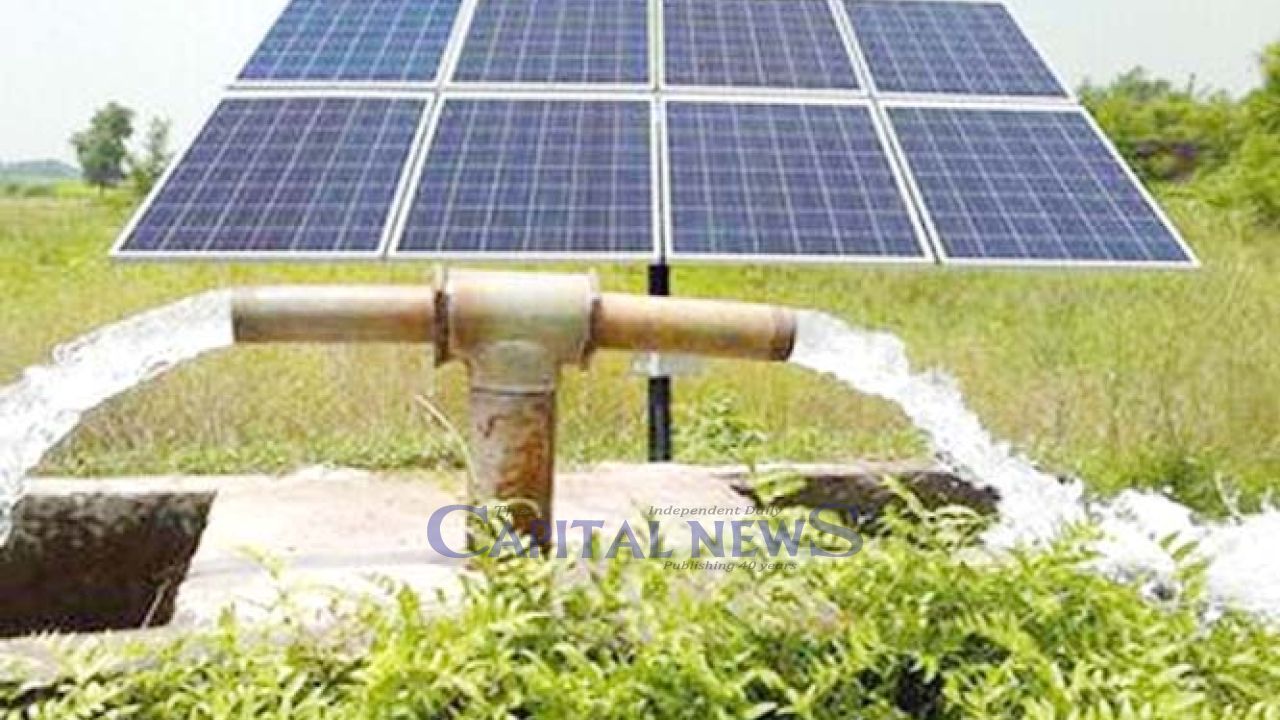
Meanwhile, due to supply shortage, most areas of the 21 districts of the Khulna region are facing load shedding for 3 to 5 hours every day. According to the sales and distribution company Westzone Power Distribution Company (OZOPDICO), the demand in the 21 districts of the southwestern region, including Khulna and Barisal, is on average 650 MW per day. Load shedding is increasing due to lack of supply. After Sunday evening, the demand for electricity in the 21 districts under the company was 694 MW. 530 MW was supplied. As a result, the deficit was 116 MW. At that time, the demand for electricity in the Khulna zone was 528 MW, 447 MW was supplied, and the deficit was 81 MW. In the Barisal zone, 131 MW was supplied against a demand of 166 MW. The deficit in this zone was 35 MW. Khulna topped the list of district-wise deficits in the evening. The deficit in the district was 30 MW. After 1 pm on Wednesday, the demand for electricity in 21 districts was 661 MW. 560 MW was supplied. At that time, load shedding was 101 MW. The Environment and Development Forum (FED) said in a press conference in December 2025 that the country is dependent on foreign fuel for electricity generation. This increases costs. Power plants consume a lot of oil. Gas supply is also low. As a result, the crisis will increase. To reduce this crisis, dependence on solar systems must be increased. The government must come forward to increase the use of natural energy. Commenting on the government's reduction in production to reduce costs, Gaurang Nandi, a member of the Environment and Environmental Protection Committee, said, "While the cost of generating electricity per unit with furnace oil is more than 18 taka, it is about 9 taka with solar power. In this reality, experts are advising to reduce dependence on fossil fuels and quickly increase investment in renewable energy."
Regarding load shedding, Ojopadiko Managing Director Anam Obaidullah said, "If supply is not as per demand, there will be a shortage. Load shedding is normal. There is a shortage of electricity due to various crises. However, it will be fixed," he said.
Subject : Energy
বৃহস্পতিবার, ২২ অক্টোবর ২০২৬
Publish Date : 22 October 2026





Write Your Opinion