The Daily Capital News

Bangladesh Montenegro relationship to grow in the coming days: Honourary Consul of Bangladesh to Montenegro

Bangladesh Montenegro relationship to grow in the coming days: Honourary Consul of Bangladesh to Montenegro

Bangladesh, Montenegro relationship to grow in the coming days,

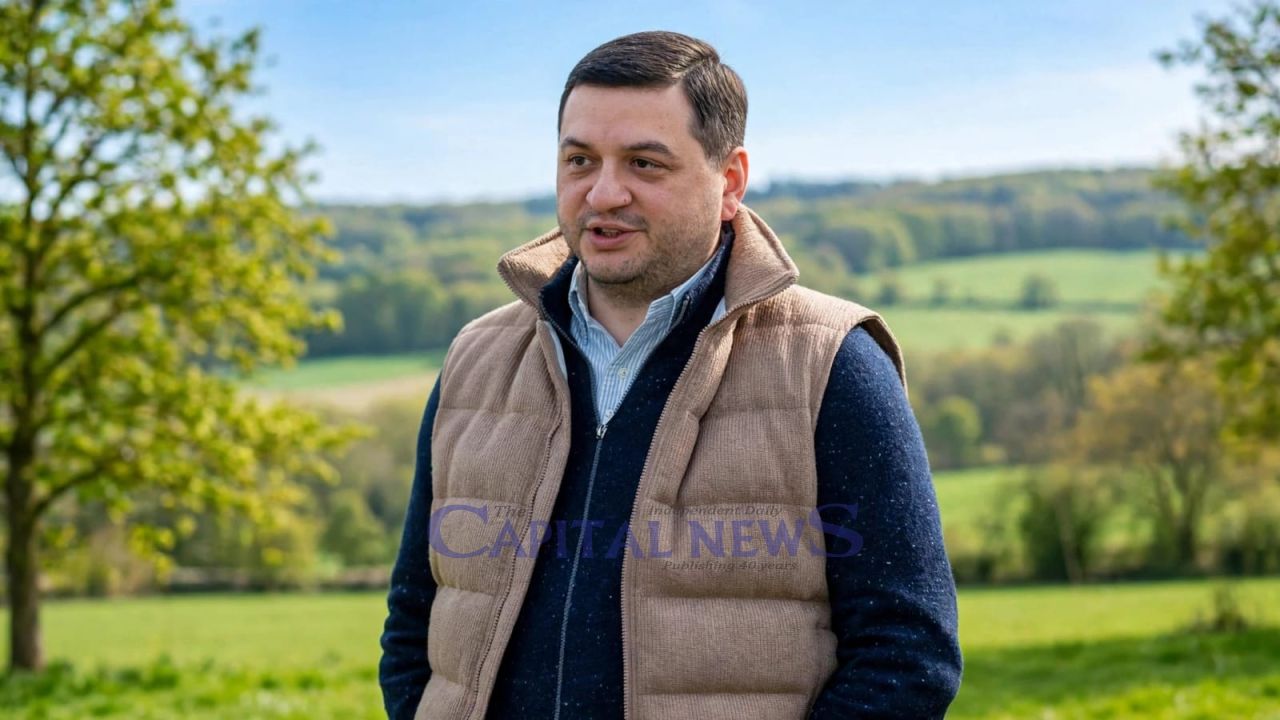
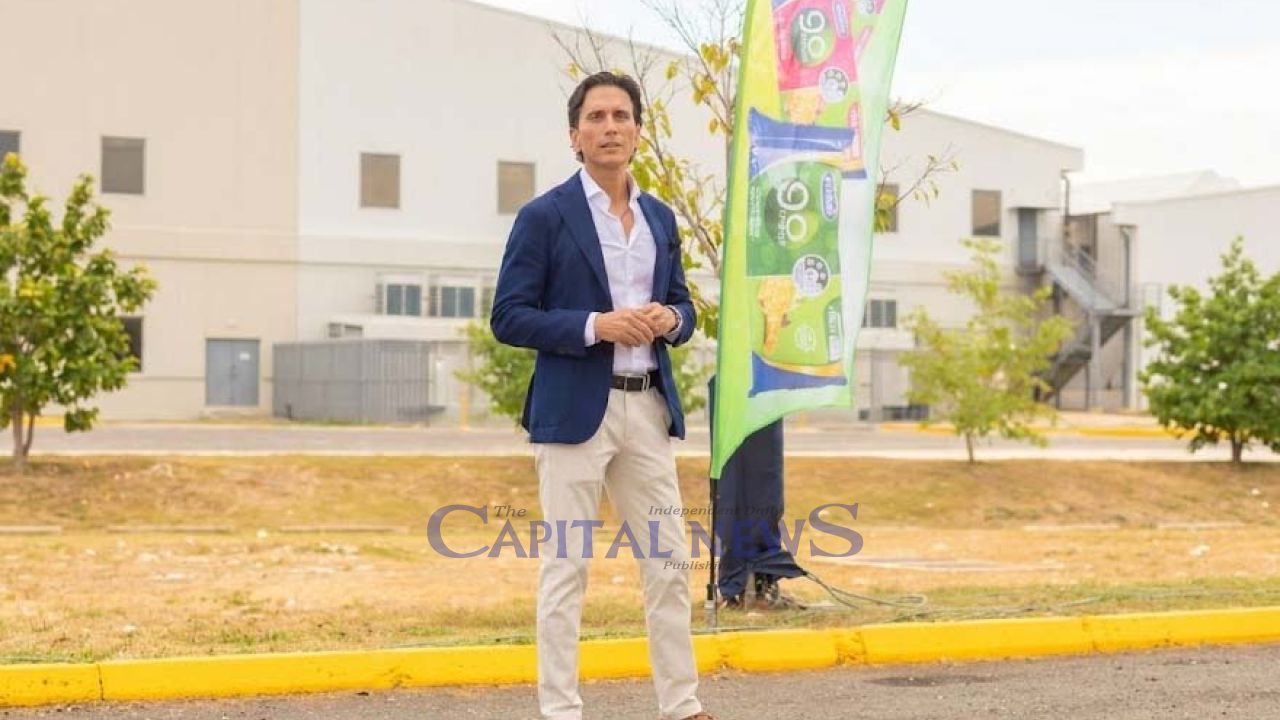
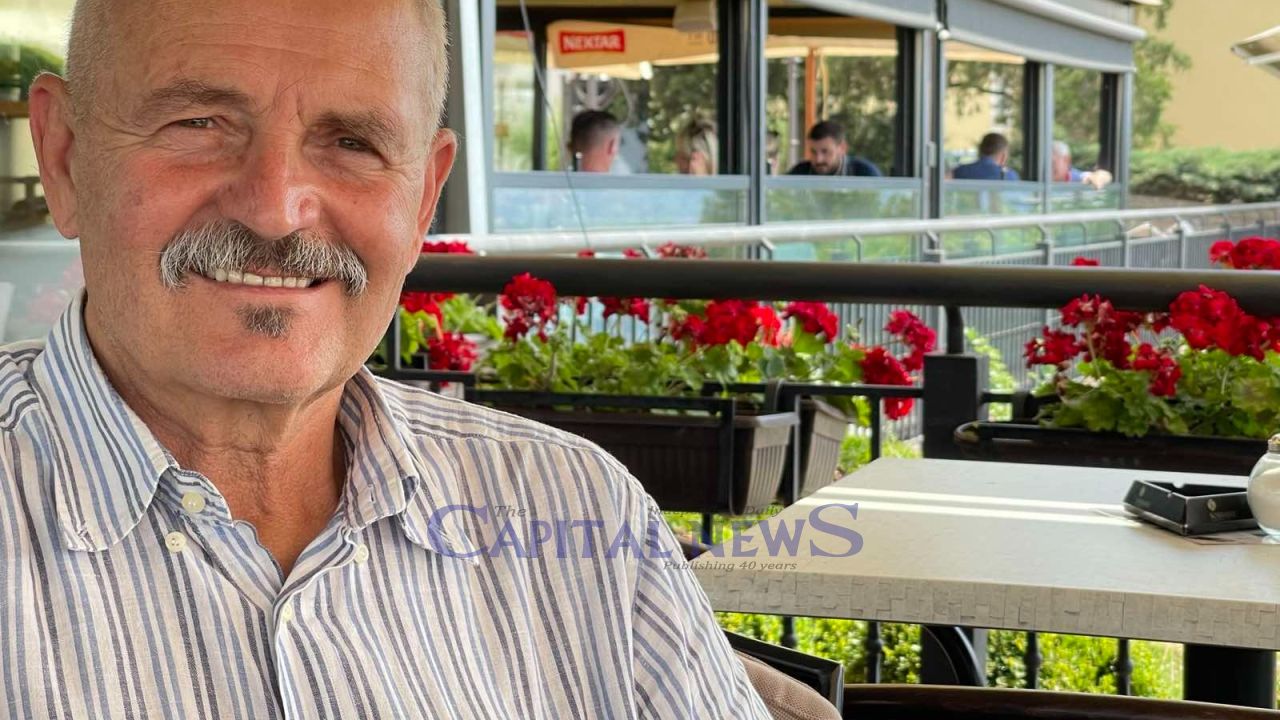
Mr Miljan Vuksanvic, Honorary Consul of Bangladesh in Montenegro

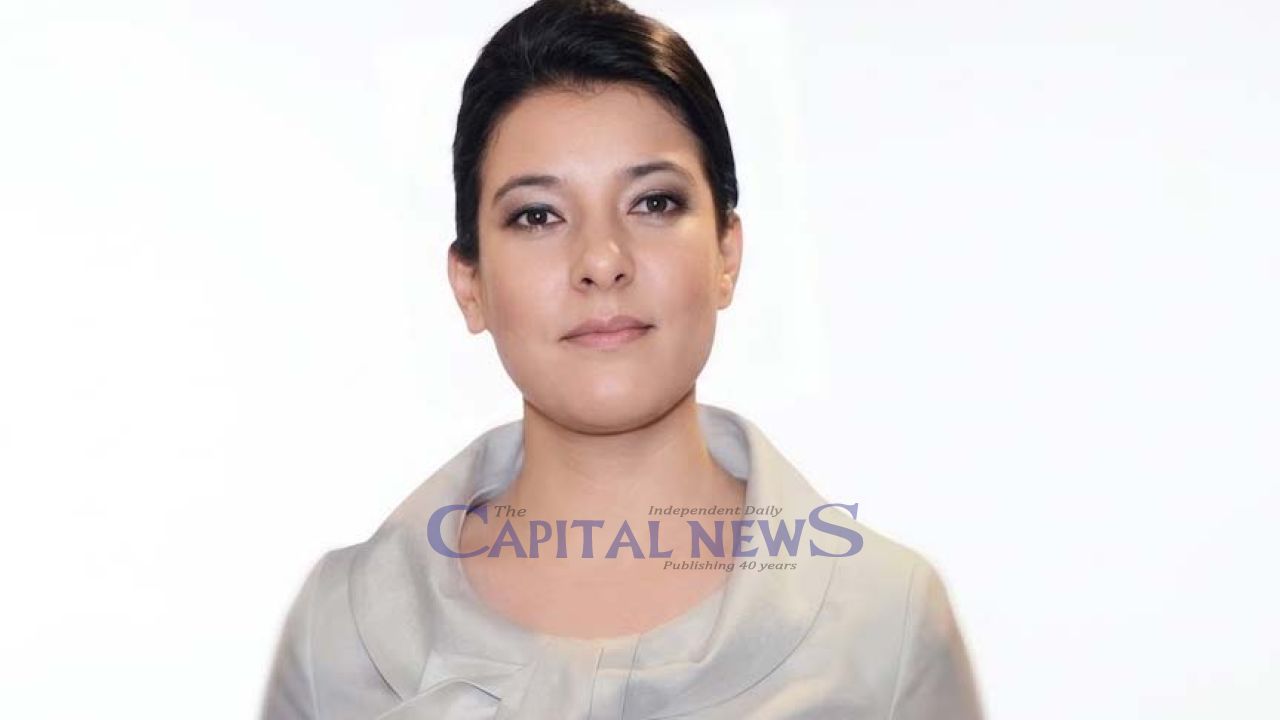
By Imtiaz Ahmed and Samia Tabassum

Mr Miljan Vuksanvic, Honorary Consul of Bangladesh in Montenegro, in an interview with Imtiaz Ahmed and Samia Tabassum, said that relation between Montenegro and Bangladesh will prosper under the leadership of President of Montenegro Mr  Jakov Milatovic, and  Mr Tarique Rahman of Bangladesh in the coming days.

 …” I see the development of Bangladesh as very dynamic and I can predict an even better future. I was in Bangladesh for little over two years and I witnessed rapid development of its power sector,” said Mr Miljan Vuksanvic, former Regional Manager for Pendekar Power Company, and incumbent Honorary Consul of Bangladesh in Montenegro.


Pendekar Energy (operating through Pendekar Energy (L) Ltd) is a Malaysia-based independent power producer (IPP) linked to gas-fired combined cycle power plants in Bangladesh……


01.    Mr Tarique Rahman is the Prime Minister of the new BNP government. How do you see Dhaka- Dhaka-Podgorica  relations in the coming days? Do you see high level visits between two countries in the coming days ?


1.         I see no obstacle for good relations between Bangladesh and Montenegro, although Montenegro is a small country (approximately 14000 Sqkm) with little over 600,000 people. Most of them are Greek orthodox, and 20% are Muslims. The President of Montenegro is Jakov Milatovic, and I believe he and Mr Tarique Rahman can develop a long lasting relationship.


02.   Bangladesh has become a middle-income group country this year. How do you see the economic development of Bangladesh in the last 54 years?


2.   Answer:      I see the development of Bangladesh as very dynamic and I can predict an even better future. I was in Bangladesh for little over two years, say Regional Manager for Pendekar Power Company and I witnessed rapid development of its power sector.


3. Question: The war in the middle-east has exposed the vulnerability of the energy crisis. The present government has laid emphasis on renewable energy. How Bangladesh and Montenegro work together in renewable energy?


3.    Answer.     I believe that GoB has good energy policy, although it operates with numerous problems. Orientation towards green energy is a prudent choice, however there are many challenges in reaching this goal. Bangladesh has a young and well-educated workforce, and that is the greater advantage today. I have experience as a manager with many different nationalities, and I can confirm Bangladesh engineers are of the highest standards.


4. Question: What is the present trade volume between Bangladesh and Montenegro ?   What is our target to reach bilateral trade within the next five years?


4.    Answer.     Present trade volume between Bangladesh and Montenegro is very small, mostly due to the overall size of Montenegro market and its production potentials.


5. Question: The present BNP government is working on improving the business environment in Bangladesh. What are your observations about the business environment?


5.   Answer       My assessment is that potentials for new business development in Bangladesh are significant. Obviously the new GoB is serious about this issue, and despite present challenges I see good potentials for business in Bangladesh.


6. Question .The population of Montenegro is decreasing. Do you see the prospect of skilled Bangladeshis in Montenegro  in the coming days?


.6.   Answer.      Indeed, the population of Montenegro is small, and the type of main business sector – tourism, does not allow more participation of the work force from Bangladesh. This is due to the small duration of the tourism season (only a few months out of the entire year).


07.  Question: What is the number of Bangladeshis living in Montenegro  and how do you evaluate their contribution to your country?


7.   Answer.      For this reason very few people from Bangladesh are employed by Montenegro’s business. Montenegro is on the (entrance) door to the EU, and if, and when, that happens, the situation might change.


Meanwhile, the International Monetary Fund (IMF) said on Tuesday it expects Montenegro's economic growth to quicken to 3.0% in 2026 from last year’s estimated 2.7%.


For 2027, the Fund expects that Montenegro’s gross domestic product (GDP) growth will slow down again – to 2.8%, it said in the October 2026 edition of its World Economic Outlook report.


Previously, in October 2025, the IMF projected that the Montenegrin economy would grow 3.2% in 2025 followed by 3.2% expansion in 2026.


According to data released by Montenegro’s statistical office in September, the country’s economy rose by a real 3.3% in 2025, considerably above the IMF growth estimate for last year, after expanding by 3.2% in 2024, thanks to higher final consumption and investments.


Last month,  the World Bank raised its forecast for Montenegro's 2026 economic growth to 3.3% from 2.9% projected in April, adding the GDP growth is expected to somewhat cool down to 3.0% in 2027. In September, the European Bank for Reconstruction and Development (EBRD) also increased its 2026 GDP growth forecast for Montenegro to 3.1% from 2.9% projected in June, thanks to support by the country's European Union accession progress and infrastructure investment.


 The IMF also said it sees Montenegro’s average annual consumer price inflation slowing down to 3.5% this year and 3.3% next year from 3.9% in 2025. The end-year inflation is also expected to decelerate - to 3.8% at end-2026 and 2.8% at end-2027 from 4.0% at the end of last year, the Fund noted.


In August, annual consumer price inflation in Montenegro hit a ten-month high of 4.5%, quickening from July's 3.8%, due to soaring transport prices driven by the Middle East war conflict. The statistical office is due to release data for September later on Tuesday.


The IMF also said it sees Montenegro's current account gap shrinking to 19.7%/GDP this year and to 19.0%/GDP in 2027 from 20.6%/GDP in 2025.

Subject : Diplomacy

Write Your Opinion

The Daily Capital News

সোমবার, ২৩ নভেম্বর ২০২৬


Bangladesh Montenegro relationship to grow in the coming days: Honourary Consul of Bangladesh to Montenegro

Publish Date : 22 November 2026

featured Image
Bangladesh, Montenegro relationship to grow in the coming days,Mr Miljan Vuksanvic, Honorary Consul of Bangladesh in MontenegroBy Imtiaz Ahmed and Samia TabassumMr Miljan Vuksanvic, Honorary Consul of Bangladesh in Montenegro, in an interview with Imtiaz Ahmed and Samia Tabassum, said that relation between Montenegro and Bangladesh will prosper under the leadership of President of Montenegro Mr  Jakov Milatovic, and  Mr Tarique Rahman of Bangladesh in the coming days. …” I see the development of Bangladesh as very dynamic and I can predict an even better future. I was in Bangladesh for little over two years and I witnessed rapid development of its power sector,” said Mr Miljan Vuksanvic, former Regional Manager for Pendekar Power Company, and incumbent Honorary Consul of Bangladesh in Montenegro.Pendekar Energy (operating through Pendekar Energy (L) Ltd) is a Malaysia-based independent power producer (IPP) linked to gas-fired combined cycle power plants in Bangladesh……01.    Mr Tarique Rahman is the Prime Minister of the new BNP government. How do you see Dhaka- Dhaka-Podgorica  relations in the coming days? Do you see high level visits between two countries in the coming days ?1.         I see no obstacle for good relations between Bangladesh and Montenegro, although Montenegro is a small country (approximately 14000 Sqkm) with little over 600,000 people. Most of them are Greek orthodox, and 20% are Muslims. The President of Montenegro is Jakov Milatovic, and I believe he and Mr Tarique Rahman can develop a long lasting relationship. 02.   Bangladesh has become a middle-income group country this year. How do you see the economic development of Bangladesh in the last 54 years?2.   Answer:      I see the development of Bangladesh as very dynamic and I can predict an even better future. I was in Bangladesh for little over two years, say Regional Manager for Pendekar Power Company and I witnessed rapid development of its power sector. 3. Question: The war in the middle-east has exposed the vulnerability of the energy crisis. The present government has laid emphasis on renewable energy. How Bangladesh and Montenegro work together in renewable energy? 3.    Answer.     I believe that GoB has good energy policy, although it operates with numerous problems. Orientation towards green energy is a prudent choice, however there are many challenges in reaching this goal. Bangladesh has a young and well-educated workforce, and that is the greater advantage today. I have experience as a manager with many different nationalities, and I can confirm Bangladesh engineers are of the highest standards.4. Question: What is the present trade volume between Bangladesh and Montenegro ?   What is our target to reach bilateral trade within the next five years?4.    Answer.     Present trade volume between Bangladesh and Montenegro is very small, mostly due to the overall size of Montenegro market and its production potentials. 5. Question: The present BNP government is working on improving the business environment in Bangladesh. What are your observations about the business environment?5.   Answer       My assessment is that potentials for new business development in Bangladesh are significant. Obviously the new GoB is serious about this issue, and despite present challenges I see good potentials for business in Bangladesh. 6. Question .The population of Montenegro is decreasing. Do you see the prospect of skilled Bangladeshis in Montenegro  in the coming days?.6.   Answer.      Indeed, the population of Montenegro is small, and the type of main business sector – tourism, does not allow more participation of the work force from Bangladesh. This is due to the small duration of the tourism season (only a few months out of the entire year).  07.  Question: What is the number of Bangladeshis living in Montenegro  and how do you evaluate their contribution to your country?7.   Answer.      For this reason very few people from Bangladesh are employed by Montenegro’s business. Montenegro is on the (entrance) door to the EU, and if, and when, that happens, the situation might change.Meanwhile, the International Monetary Fund (IMF) said on Tuesday it expects Montenegro's economic growth to quicken to 3.0% in 2026 from last year’s estimated 2.7%.For 2027, the Fund expects that Montenegro’s gross domestic product (GDP) growth will slow down again – to 2.8%, it said in the October 2026 edition of its World Economic Outlook report.Previously, in October 2025, the IMF projected that the Montenegrin economy would grow 3.2% in 2025 followed by 3.2% expansion in 2026.According to data released by Montenegro’s statistical office in September, the country’s economy rose by a real 3.3% in 2025, considerably above the IMF growth estimate for last year, after expanding by 3.2% in 2024, thanks to higher final consumption and investments.Last month,  the World Bank raised its forecast for Montenegro's 2026 economic growth to 3.3% from 2.9% projected in April, adding the GDP growth is expected to somewhat cool down to 3.0% in 2027. In September, the European Bank for Reconstruction and Development (EBRD) also increased its 2026 GDP growth forecast for Montenegro to 3.1% from 2.9% projected in June, thanks to support by the country's European Union accession progress and infrastructure investment. The IMF also said it sees Montenegro’s average annual consumer price inflation slowing down to 3.5% this year and 3.3% next year from 3.9% in 2025. The end-year inflation is also expected to decelerate - to 3.8% at end-2026 and 2.8% at end-2027 from 4.0% at the end of last year, the Fund noted.In August, annual consumer price inflation in Montenegro hit a ten-month high of 4.5%, quickening from July's 3.8%, due to soaring transport prices driven by the Middle East war conflict. The statistical office is due to release data for September later on Tuesday.The IMF also said it sees Montenegro's current account gap shrinking to 19.7%/GDP this year and to 19.0%/GDP in 2027 from 20.6%/GDP in 2025.

The Daily Capital News

Advisory Editor: Gayeshwar Chandra Roy
Editor: Abul Kashem Majumder
Acting Editor: Mohammad Alamgir Hossain
Executive Editor: Farid Ahmed Ripon

© 2025 The Daily Capital News