

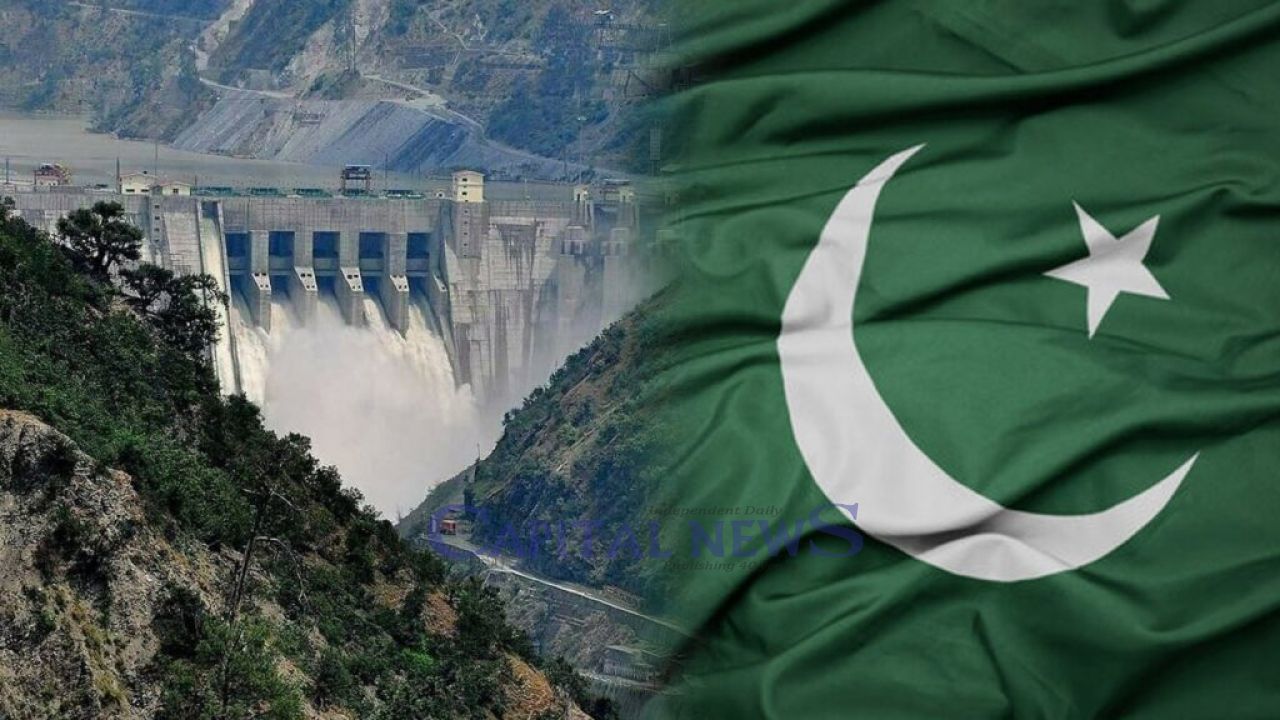
CN Desk: The Permanent Court of Arbitration (PCA) in The Hague upheld its earlier award supporting the continued validity of the Indus Waters Treaty (IWT), ruling that India cannot unilaterally suspend the agreement. The tribunal reaffirmed that the treaty remained in force, rejecting arguments that either party may withdraw or suspend it without mutual consent. It said the legal framework governing the sharing of the Indus river system continued to bind both India and Pakistan.
The ruling related to
long-running disputes between the two countries over hydroelectric developments
on the western rivers of the Indus system. Pakistan has repeatedly raised
concerns that Indian run-of-river projects could reduce downstream flows and
harm agricultural output. In a prior award issued last year, the tribunal
directed that India must allow the waters of the western rivers to flow for
Pakistan’s “unrestricted use,” reinforcing Pakistan’s interpretation of the
treaty’s water allocation provisions.
Later, the statement
issued by the government said that Pakistan expressed utmost satisfaction with
the Court of Arbitration’s Supplemental Award Concerning Maximum Pondage,
handed down on May 15, 2026, in the IWT proceedings arising from the Ratle
Hydroelectric Plant and the Kishenganga Hydroelectric Project design disputes.
“The Award affirms
Pakistan’s central position that the Treaty places substantive limits on
India’s water-control capability on the Western Rivers. These limits are not
formalities. They apply at the planning and design stage and cannot be
satisfied merely by a later assurance of operational restraint,” the statement
said.
It further stated that
pondage for a run-of-river plant must be justified by actual project needs,
expected operations, site hydrology, hydraulic conditions, power-system
requirements, and the information and explanations required under the Treaty.
The statement said the
award also strengthened Pakistan’s review rights, adding that India must
provide Pakistan with sufficient information and explanations to assess Treaty
compliance.
Responding to the
ruling, Ministry of External Affairs spokesperson Randhir Jaiswal dismissed the
proceedings. He said all proceedings by 'illegally constituted so-called Court
of Arbitration' awards, and decisions were “null and void,” and maintained that
India’s position on holding the treaty in abeyance remains unchanged.
Subject : Law & Our Rights
মঙ্গলবার, ২০ অক্টোবর ২০২৬
Publish Date : 20 May 2026





Write Your Opinion