

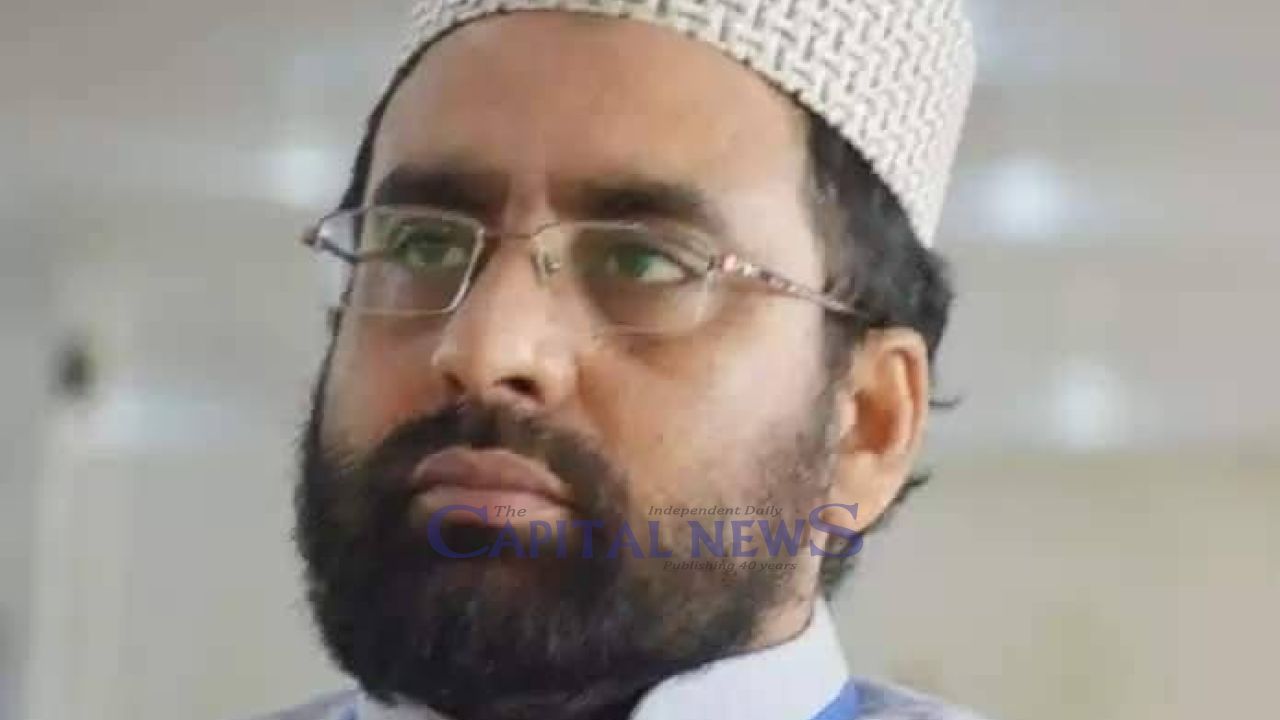
Md. Mukhlesur Rahman: The Middle East once again stands at the threshold of uncertainty, where a single miscalculation, an excessive military move, or a wrong strategic decision could push the entire region toward a broader and more devastating conflict. The tensions that have emerged in recent weeks among the United States, Iran, and several Gulf countries are not only a matter of concern for the states directly involved; they also pose significant risks to the global economy, energy security, and international stability.
History teaches us that while the beginning of conflicts is often visible, their consequences frequently extend far beyond initial expectations. The current situation in the Middle East appears to be another manifestation of this enduring reality. Military strikes, retaliatory attacks, diplomatic exchanges, and competing political narratives have created an environment in which determining the actual state of affairs has become increasingly difficult.
Modern warfare is no longer fought solely with weapons; it is also fought with information. Alongside missiles and drones, nations are engaged in battles of narratives, propaganda, and public opinion. One side portrays an attack as a military success, while the other disputes that claim. In the aftermath of major incidents, social media platforms, news organizations, and political leaders often present conflicting accounts. As a result, distinguishing fact from misinformation has become an increasingly challenging task for ordinary citizens.
Another important aspect of the current crisis is the increasingly regional nature of the conflict. Military actions directed against one country are now affecting the territory, infrastructure, and security arrangements of neighboring states. This expansion of the conflict’s geographical scope has significantly increased the risks facing the region.
Particularly concerning is the vulnerability of civilian infrastructure. Airports, seaports, oil facilities, and energy supply networks are critical not only to the countries in which they are located but also to the global economy. Any disruption to these facilities can affect international trade, energy markets, and the daily lives of millions of people. Given the Middle East’s central role in global energy production and transportation, regional stability remains a matter of worldwide importance.
Another major dimension of the current tensions involves discussions surrounding nuclear capabilities. Iran’s nuclear program has been the subject of international debate for many years, and recent developments have brought the issue back into sharper focus. However, unverified claims, speculation, and assumptions regarding nuclear weapons can further complicate an already volatile situation. In international politics, perceptions of nuclear capability can sometimes influence strategic calculations as much as actual possession of such weapons.
At the same time, the crisis has exposed the limitations of contemporary diplomacy. When one side speaks of ongoing negotiations while the other denies their existence, it reflects the depth of the trust deficit that currently exists. Yet history offers a clear lesson: lasting solutions to major conflicts are rarely achieved through military means alone. There are few examples where military victory by itself has produced enduring political stability. More often than not, even the most bitter conflicts have eventually returned to the negotiating table.
The people of the Middle East have endured decades of war, sanctions, political instability, and geopolitical rivalries. If future generations are forced to inherit the same reality, it would represent a profound tragedy for the region. National security concerns may be legitimate, and states naturally seek to protect their interests. However, when the pursuit of those interests leads to an endless cycle of confrontation, it is ordinary people who ultimately bear the greatest burden.
What is most needed at this moment is restraint. All parties involved should move away from the logic of military escalation and invest greater effort in diplomatic engagement. Regional and international mediation mechanisms should be strengthened to reduce tensions and create opportunities for dialogue. A full-scale conflict would not only destabilize the Middle East but could also generate new crises across the globe.
The world is already facing economic uncertainty, volatile energy markets, and numerous regional conflicts. Against this backdrop, the prospect of a larger war in the Middle East offers little comfort to those concerned with international peace and stability.
Military power may demonstrate a nation’s strength, but it is wise diplomacy that ultimately reflects a nation’s political maturity and strategic vision. Therefore, at this critical moment, the priority should not be the politics of retaliation but the politics of peaceful resolution. It is easy to ignite the flames of war; extinguishing them is far more difficult. While humanity has occasionally succeeded in containing and ending such fires through collective responsibility and determination, history shows that many conflicts, once unleashed, become extraordinarily difficult to bring under control.
That is precisely why the pursuit of peace remains one of civilization’s greatest responsibilities—and its most hopeful promise.
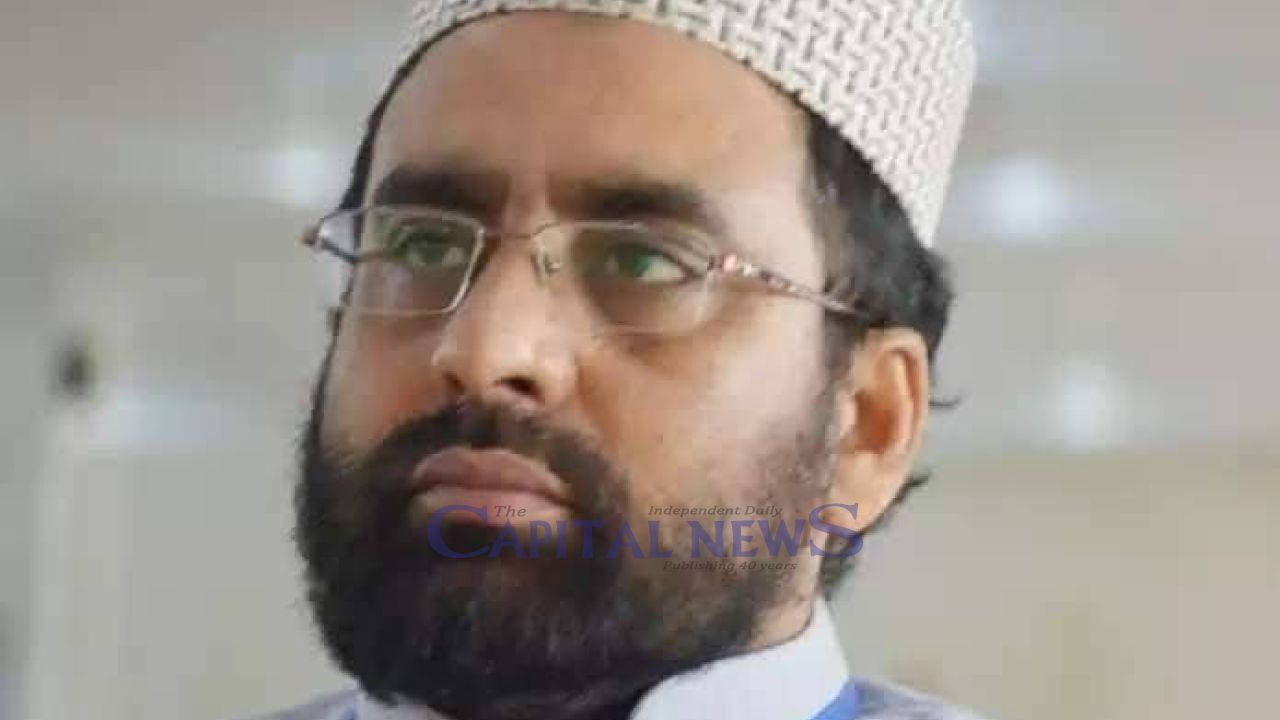
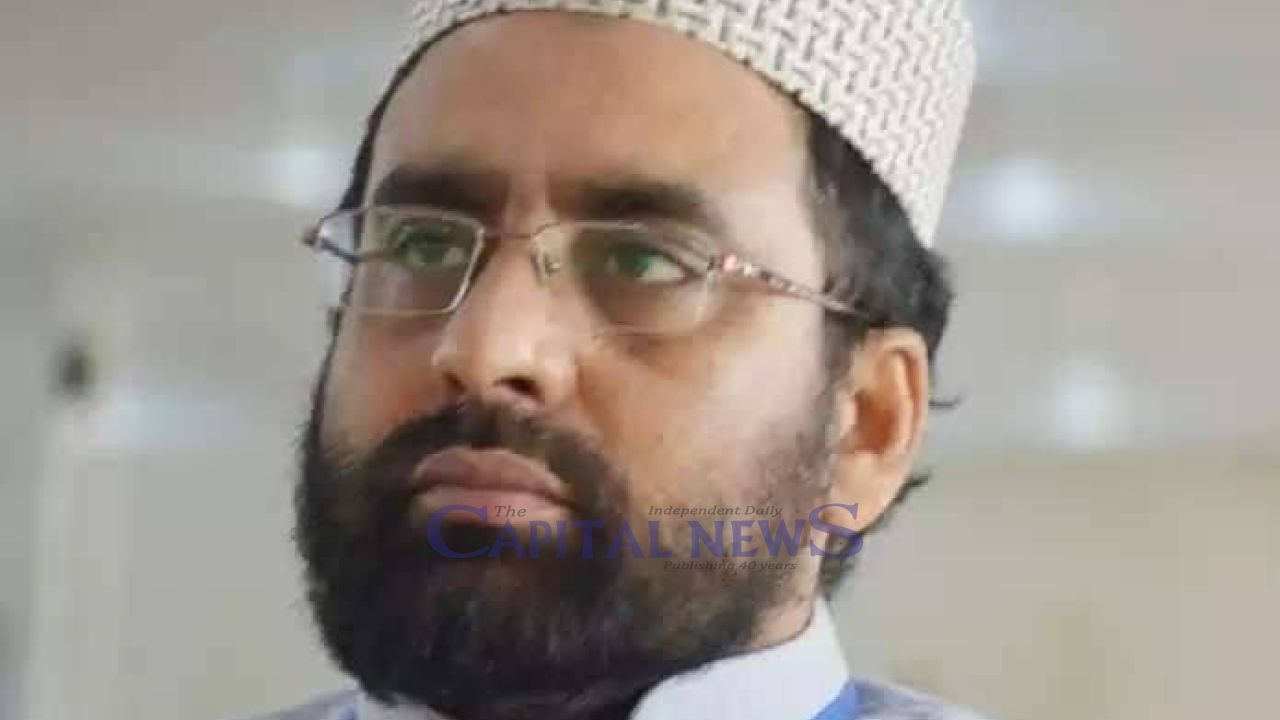
Md. Mukhlesur Rahman
International Political Researcher, Economist, Human Rights Activist, and Social Thinker
Email: mukhles1975@gmail.com
বৃহস্পতিবার, ০৪ জুন ২০২৬
Publish Date : 04 June 2026

Write Your Opinion