
The Daily Capital News

Bangladesh in the new economic map of Asia: opportunities, realities, and limitations

Bangladesh in the new economic map of Asia: opportunities, realities, and limitations

Md. Mukhlesur Rahman: In the late 1990s, a prediction was widely discussed in international economic circles—that China would overtake the United States by 2030. At the time, many considered the forecast overly ambitious. However, with the passage of time, it appears that the prediction is gradually becoming a reality.

Many economists believe that the global economic landscape five decades from now will undergo even more significant changes. According to various recent long-term projections, by 2075 the world’s largest economies may include China, the United States, India, Indonesia, and Nigeria. In other words, the centre of economic power is shifting—gradually moving toward Asia and Africa.

The most important aspect of this transformation is the rapid rise of South and Southeast Asia. Countries like Indonesia, which once occupied a middle position in the global economy, have the potential to become among the world’s largest economies in the future. Bangladesh is also standing at a crucial crossroads amid this major economic restructuring.


Bangladesh’s greatest asset is its young population. With an average age of around 26 years, the country possesses a strong demographic dividend. However, this opportunity is not unlimited. Experts believe that the next one or two decades will be the most critical period for utilizing this advantage effectively.


A recent analysis compared Bangladesh’s economic journey to a “first-stage rocket.” The growth achieved through the ready-made garment sector and remittance inflows has undoubtedly propelled the economy forward. But the most important question remains—what is the next stage?


To move toward a sustainable and high-income economy, Bangladesh needs a second-stage transformation. This means moving away from a low-cost, labour-intensive economic model toward technology-driven, manufacturing-oriented, and high-value-added industries. In the era of automation and artificial intelligence, without such transformation, maintaining long-term competitiveness will become increasingly difficult.


The experience of South Korea is particularly relevant in this context. At one point, the country was advised to remain limited to low-cost labour-based industries. However, through state initiatives, long-term planning, and strategic implementation of industrial policies, South Korea transformed itself into an advanced industrial economy within a few decades.


In Bangladesh’s case, the key difference is not resources, but policy and implementation capacity. Leaving development entirely to market forces may not be sufficient to achieve the desired structural transformation. The experience of East Asia shows that the state did not act merely as a regulator; rather, it played an active role as a strategic planner and facilitator.


At this stage, the question before Bangladesh is very clear—will the country become an integral part of Asia’s ongoing economic transformation, or will it remain a lagging economy in the midst of a rapidly changing region?


Although there is no simple answer to this question, one thing is increasingly clear: without reforming the education system, developing skilled human resources, ensuring greater participation of the workforce, and creating a clear and realistic industrial roadmap, this transformation will not be possible.


Because history shows that economic opportunities, once lost, rarely return.


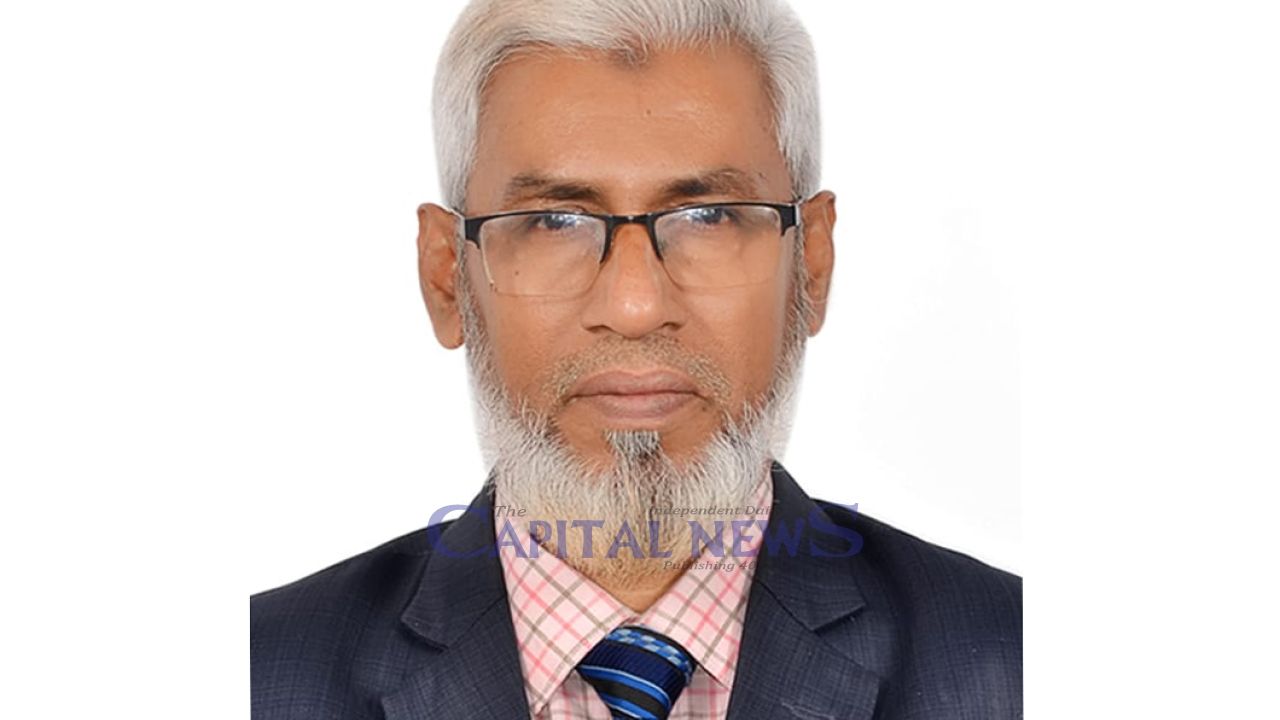
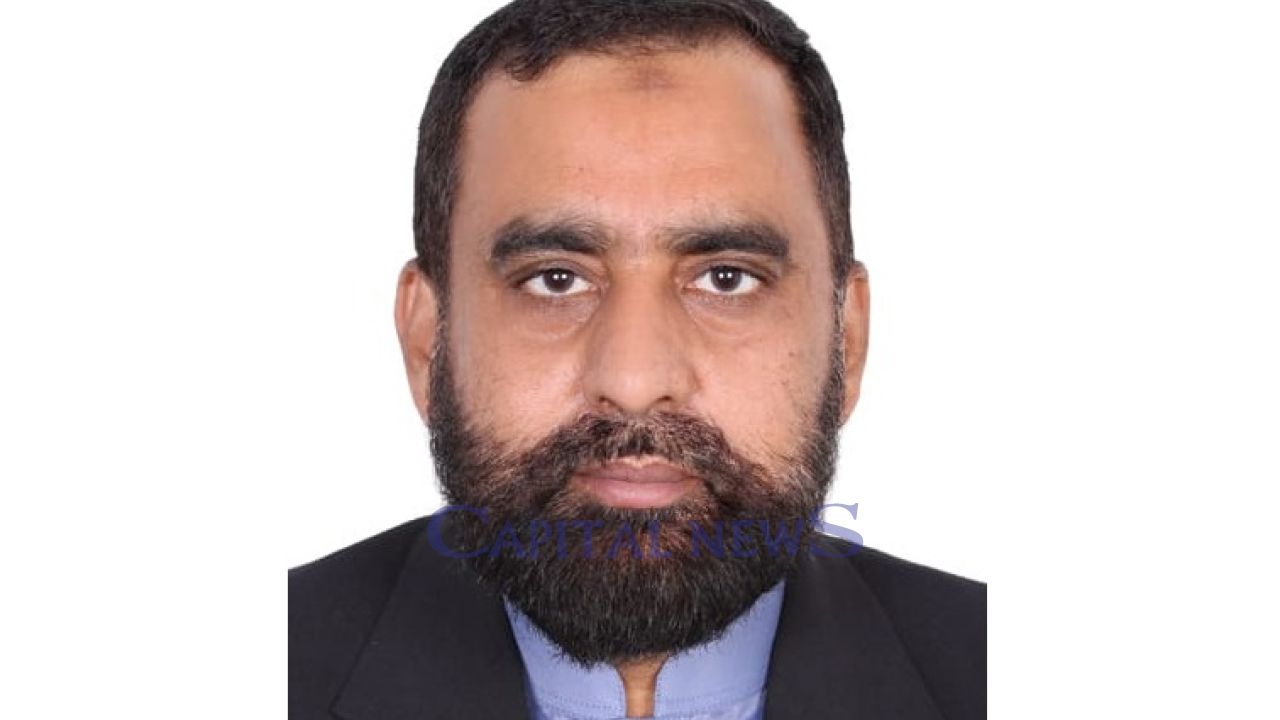
Md. Mukhlesur Rahman

Economist, Social Thinker, and Human Rights Activist.

Subject : Op-Editorial

Write Your Opinion

The Daily Capital News

শনিবার, ২৭ জুন ২০২৬


Bangladesh in the new economic map of Asia: opportunities, realities, and limitations

Publish Date : 26 June 2026

featured Image
Md. Mukhlesur Rahman: In the late 1990s, a prediction was widely discussed in international economic circles—that China would overtake the United States by 2030. At the time, many considered the forecast overly ambitious. However, with the passage of time, it appears that the prediction is gradually becoming a reality.Many economists believe that the global economic landscape five decades from now will undergo even more significant changes. According to various recent long-term projections, by 2075 the world’s largest economies may include China, the United States, India, Indonesia, and Nigeria. In other words, the centre of economic power is shifting—gradually moving toward Asia and Africa.The most important aspect of this transformation is the rapid rise of South and Southeast Asia. Countries like Indonesia, which once occupied a middle position in the global economy, have the potential to become among the world’s largest economies in the future. Bangladesh is also standing at a crucial crossroads amid this major economic restructuring.Bangladesh’s greatest asset is its young population. With an average age of around 26 years, the country possesses a strong demographic dividend. However, this opportunity is not unlimited. Experts believe that the next one or two decades will be the most critical period for utilizing this advantage effectively.A recent analysis compared Bangladesh’s economic journey to a “first-stage rocket.” The growth achieved through the ready-made garment sector and remittance inflows has undoubtedly propelled the economy forward. But the most important question remains—what is the next stage?To move toward a sustainable and high-income economy, Bangladesh needs a second-stage transformation. This means moving away from a low-cost, labour-intensive economic model toward technology-driven, manufacturing-oriented, and high-value-added industries. In the era of automation and artificial intelligence, without such transformation, maintaining long-term competitiveness will become increasingly difficult.The experience of South Korea is particularly relevant in this context. At one point, the country was advised to remain limited to low-cost labour-based industries. However, through state initiatives, long-term planning, and strategic implementation of industrial policies, South Korea transformed itself into an advanced industrial economy within a few decades.In Bangladesh’s case, the key difference is not resources, but policy and implementation capacity. Leaving development entirely to market forces may not be sufficient to achieve the desired structural transformation. The experience of East Asia shows that the state did not act merely as a regulator; rather, it played an active role as a strategic planner and facilitator.At this stage, the question before Bangladesh is very clear—will the country become an integral part of Asia’s ongoing economic transformation, or will it remain a lagging economy in the midst of a rapidly changing region?Although there is no simple answer to this question, one thing is increasingly clear: without reforming the education system, developing skilled human resources, ensuring greater participation of the workforce, and creating a clear and realistic industrial roadmap, this transformation will not be possible.Because history shows that economic opportunities, once lost, rarely return.Md. Mukhlesur RahmanEconomist, Social Thinker, and Human Rights Activist.

The Daily Capital News

Advisory Editor: Gayeshwar Chandra Roy
Editor: Abul Kashem Majumder
Acting Editor: Mohammad Alamgir Hossain
Executive Editor: Farid Ahmed Ripon

© 2025 The Daily Capital News