The Daily Capital News

A new chapter in Bangladesh-Saudi relations: Fresh opportunities in economy and diplomacy

A new chapter in Bangladesh-Saudi relations: Fresh opportunities in economy and diplomacy

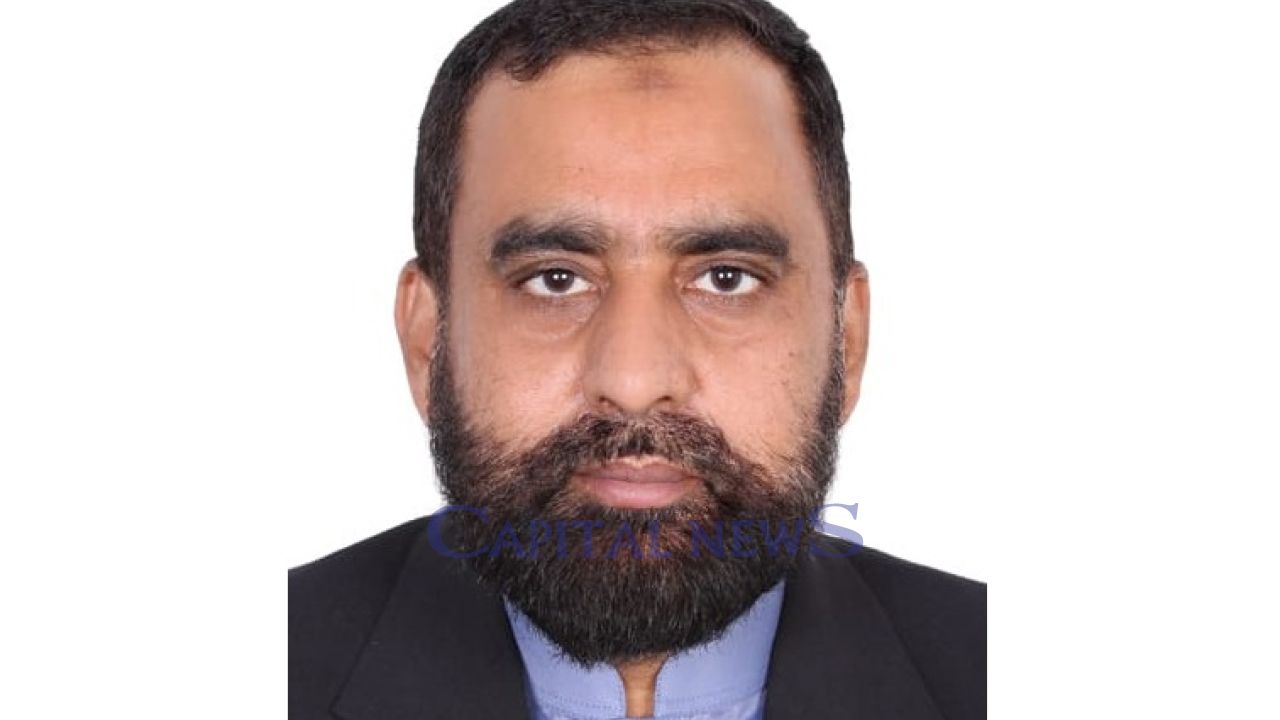
Md. Mukhlesur Rahman: The relationship between Bangladesh and the Kingdom of Saudi Arabia is far more than a history of formal diplomatic engagement between two sovereign states. It is a longstanding partnership built upon shared religious values, robust economic cooperation, labour mobility, energy security, development collaboration, and mutual support in international affairs. Recent high-level diplomatic exchanges and the message conveyed by the Saudi leadership have once again demonstrated that this relationship is no longer confined to the realm of traditional friendship. Rather, it is evolving into a multidimensional strategic partnership with immense potential for the future.

In international diplomacy, high-level meetings and exchanges of messages between national leaders are never mere ceremonial gestures. They help shape the future direction of bilateral cooperation, reinforce mutual trust, and create new avenues for collaboration. For Bangladesh, strengthening ties with Saudi Arabia—the Middle East’s leading economic and political power—offers significant opportunities to enhance economic growth, attract investment, expand employment, and elevate its international standing.

Saudi Arabia has historically been one of Bangladesh’s most important economic partners. Today, approximately 3.5 million Bangladeshis live and work in the Kingdom, making it one of the largest destinations for Bangladeshi migrant workers. Every year, these expatriates remit billions of US dollars, playing a vital role in strengthening Bangladesh’s foreign exchange reserves, maintaining macroeconomic stability, stimulating rural economies, and improving the livelihoods of millions of families.

Yet, in today’s rapidly changing global environment, bilateral relations should no longer be viewed solely through the lens of labour migration. Saudi Arabia is undergoing an ambitious economic transformation aimed at diversifying its economy beyond oil. Through its Vision 2030 agenda, the Kingdom is making substantial investments in industrial development, advanced technology, artificial intelligence, tourism, renewable energy, logistics, and manufacturing. Aligning these transformative initiatives with Bangladesh’s industrial expansion and human capital development could generate substantial long-term benefits for both nations.

Bangladesh has already emerged as one of South Asia’s fastest-growing economies. Continuous progress in infrastructure development, Special Economic Zones (SEZs), seaport expansion, power generation, digital transformation, and industrialisation has created an increasingly attractive environment for foreign investment. Expanded Saudi investment in these sectors would not only bring much-needed capital but also facilitate technology transfer, enhance productivity, and create quality employment opportunities.

Energy security represents another critical pillar of bilateral cooperation. Bangladesh’s rapid industrialisation and urbanisation have significantly increased its demand for reliable energy supplies, while Saudi Arabia remains one of the world’s leading energy producers and exporters. Long-term cooperation in crude oil and LNG supplies, petrochemical industries, strategic energy investments, and renewable energy projects could therefore become mutually beneficial and strategically important.

Beyond energy, significant opportunities also exist in agriculture, food security, halal industries, pharmaceuticals, information technology, healthcare, and higher education. Bangladesh’s globally competitive pharmaceutical industry, ready-made garments sector, and halal food industry possess considerable export potential in the Saudi market, provided that trade barriers are reduced and internationally recognised quality standards are maintained.

Another important dimension of Bangladesh–Saudi relations lies in their cooperation within multilateral institutions. The two countries have long collaborated in the United Nations, the Organisation of Islamic Cooperation (OIC), and other international forums. At a time marked by geopolitical tensions, global economic uncertainty, climate change, and humanitarian crises, this cooperation has become even more significant. A coordinated approach by Bangladesh and Saudi Arabia in advancing the interests of developing countries could make a meaningful contribution to global peace, stability, and sustainable development.

Nevertheless, several practical challenges must be addressed if bilateral relations are to realise their full potential. Bangladesh must continue to enhance the skills of its workforce, improve the welfare and legal protection of migrant workers, and prepare a new generation of professionals capable of meeting the demands of a technology-driven global economy. Simultaneously, strengthening investor confidence will require sustained policy stability, reduced bureaucratic obstacles, efficient public services, effective contract enforcement, and a more business-friendly regulatory environment.

One of Bangladesh’s foremost diplomatic priorities should therefore be to transform its relationship with Saudi Arabia from one centred primarily on labour migration into a comprehensive economic partnership. Initiatives such as joint investment funds, the exploration of preferential or free trade arrangements, industrial parks, technology transfer programmes, and collaborative human capital development can provide this relationship with a new strategic dimension.

It can be stated with confidence that the recent high-level diplomatic engagement reflects the deep trust and enduring friendship that have long characterised Bangladesh–Saudi relations. Yet, the true challenge lies in translating diplomatic goodwill into tangible economic outcomes. If Bangladesh successfully capitalises on this opportunity through prudent diplomacy, sound economic reforms, and an investor-friendly policy framework, its partnership with Saudi Arabia will become more than a symbol of friendship. It can evolve into one of the strongest pillars supporting Bangladesh’s sustainable development, increased investment, enhanced energy security, and growing influence on the global stage.

The future of Bangladesh–Saudi relations, therefore, extends far beyond the interests of two friendly nations. It has the potential to become a remarkable model of regional economic cooperation, strategic partnership, and shared prosperity for the wider Muslim world and the international community.

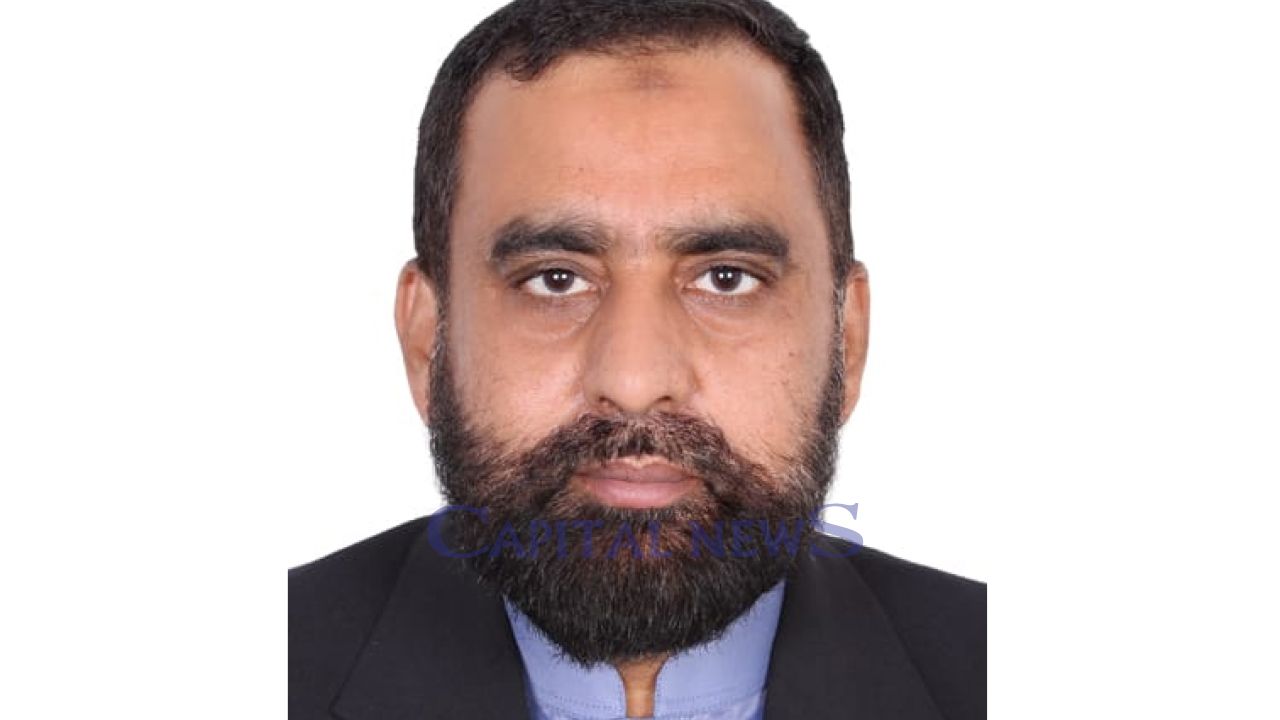
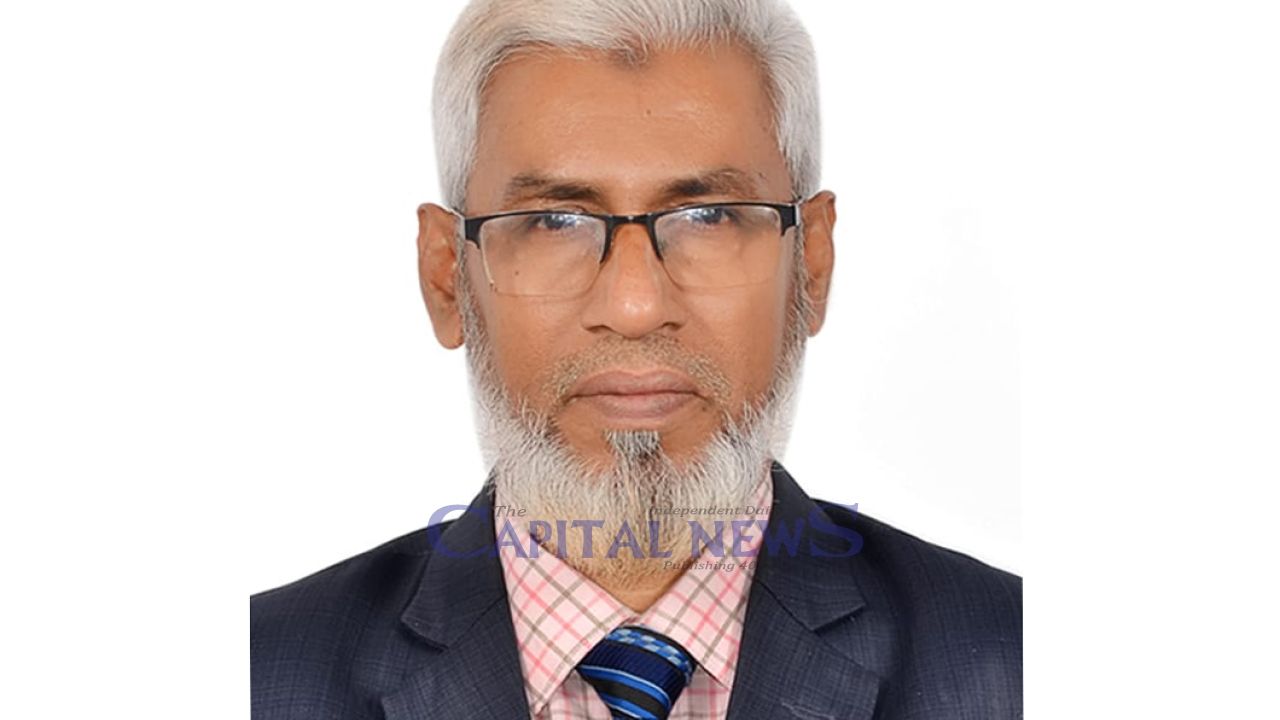
Md. Mukhlesur Rahman

Economist | International Relations Analyst | Social Thinker | Human Rights Activist

Write Your Opinion

The Daily Capital News

মঙ্গলবার, ০৭ জুলাই ২০২৬


A new chapter in Bangladesh-Saudi relations: Fresh opportunities in economy and diplomacy

Publish Date : 07 July 2026

featured Image
Md. Mukhlesur Rahman: The relationship between Bangladesh and the Kingdom of Saudi Arabia is far more than a history of formal diplomatic engagement between two sovereign states. It is a longstanding partnership built upon shared religious values, robust economic cooperation, labour mobility, energy security, development collaboration, and mutual support in international affairs. Recent high-level diplomatic exchanges and the message conveyed by the Saudi leadership have once again demonstrated that this relationship is no longer confined to the realm of traditional friendship. Rather, it is evolving into a multidimensional strategic partnership with immense potential for the future.In international diplomacy, high-level meetings and exchanges of messages between national leaders are never mere ceremonial gestures. They help shape the future direction of bilateral cooperation, reinforce mutual trust, and create new avenues for collaboration. For Bangladesh, strengthening ties with Saudi Arabia—the Middle East’s leading economic and political power—offers significant opportunities to enhance economic growth, attract investment, expand employment, and elevate its international standing.Saudi Arabia has historically been one of Bangladesh’s most important economic partners. Today, approximately 3.5 million Bangladeshis live and work in the Kingdom, making it one of the largest destinations for Bangladeshi migrant workers. Every year, these expatriates remit billions of US dollars, playing a vital role in strengthening Bangladesh’s foreign exchange reserves, maintaining macroeconomic stability, stimulating rural economies, and improving the livelihoods of millions of families.Yet, in today’s rapidly changing global environment, bilateral relations should no longer be viewed solely through the lens of labour migration. Saudi Arabia is undergoing an ambitious economic transformation aimed at diversifying its economy beyond oil. Through its Vision 2030 agenda, the Kingdom is making substantial investments in industrial development, advanced technology, artificial intelligence, tourism, renewable energy, logistics, and manufacturing. Aligning these transformative initiatives with Bangladesh’s industrial expansion and human capital development could generate substantial long-term benefits for both nations.Bangladesh has already emerged as one of South Asia’s fastest-growing economies. Continuous progress in infrastructure development, Special Economic Zones (SEZs), seaport expansion, power generation, digital transformation, and industrialisation has created an increasingly attractive environment for foreign investment. Expanded Saudi investment in these sectors would not only bring much-needed capital but also facilitate technology transfer, enhance productivity, and create quality employment opportunities.Energy security represents another critical pillar of bilateral cooperation. Bangladesh’s rapid industrialisation and urbanisation have significantly increased its demand for reliable energy supplies, while Saudi Arabia remains one of the world’s leading energy producers and exporters. Long-term cooperation in crude oil and LNG supplies, petrochemical industries, strategic energy investments, and renewable energy projects could therefore become mutually beneficial and strategically important.Beyond energy, significant opportunities also exist in agriculture, food security, halal industries, pharmaceuticals, information technology, healthcare, and higher education. Bangladesh’s globally competitive pharmaceutical industry, ready-made garments sector, and halal food industry possess considerable export potential in the Saudi market, provided that trade barriers are reduced and internationally recognised quality standards are maintained.Another important dimension of Bangladesh–Saudi relations lies in their cooperation within multilateral institutions. The two countries have long collaborated in the United Nations, the Organisation of Islamic Cooperation (OIC), and other international forums. At a time marked by geopolitical tensions, global economic uncertainty, climate change, and humanitarian crises, this cooperation has become even more significant. A coordinated approach by Bangladesh and Saudi Arabia in advancing the interests of developing countries could make a meaningful contribution to global peace, stability, and sustainable development.Nevertheless, several practical challenges must be addressed if bilateral relations are to realise their full potential. Bangladesh must continue to enhance the skills of its workforce, improve the welfare and legal protection of migrant workers, and prepare a new generation of professionals capable of meeting the demands of a technology-driven global economy. Simultaneously, strengthening investor confidence will require sustained policy stability, reduced bureaucratic obstacles, efficient public services, effective contract enforcement, and a more business-friendly regulatory environment.One of Bangladesh’s foremost diplomatic priorities should therefore be to transform its relationship with Saudi Arabia from one centred primarily on labour migration into a comprehensive economic partnership. Initiatives such as joint investment funds, the exploration of preferential or free trade arrangements, industrial parks, technology transfer programmes, and collaborative human capital development can provide this relationship with a new strategic dimension.It can be stated with confidence that the recent high-level diplomatic engagement reflects the deep trust and enduring friendship that have long characterised Bangladesh–Saudi relations. Yet, the true challenge lies in translating diplomatic goodwill into tangible economic outcomes. If Bangladesh successfully capitalises on this opportunity through prudent diplomacy, sound economic reforms, and an investor-friendly policy framework, its partnership with Saudi Arabia will become more than a symbol of friendship. It can evolve into one of the strongest pillars supporting Bangladesh’s sustainable development, increased investment, enhanced energy security, and growing influence on the global stage.The future of Bangladesh–Saudi relations, therefore, extends far beyond the interests of two friendly nations. It has the potential to become a remarkable model of regional economic cooperation, strategic partnership, and shared prosperity for the wider Muslim world and the international community.Md. Mukhlesur RahmanEconomist | International Relations Analyst | Social Thinker | Human Rights Activist

The Daily Capital News

Advisory Editor: Gayeshwar Chandra Roy
Editor: Abul Kashem Majumder
Acting Editor: Mohammad Alamgir Hossain
Executive Editor: Farid Ahmed Ripon

© 2025 The Daily Capital News