The Daily Capital News

Can Ending the Unregulated Sale of Tobacco on Watercraft Ensure Tobacco-Free Water Transport?

Can Ending the Unregulated Sale of Tobacco on Watercraft Ensure Tobacco-Free Water Transport?

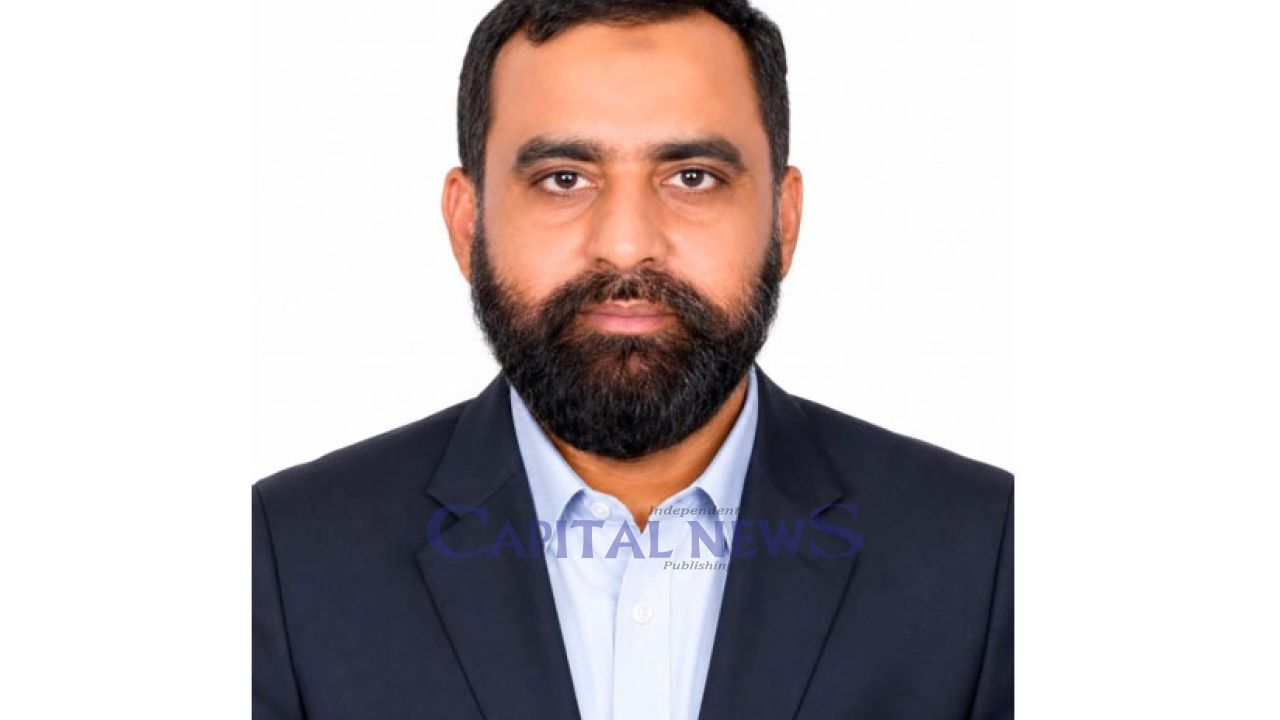
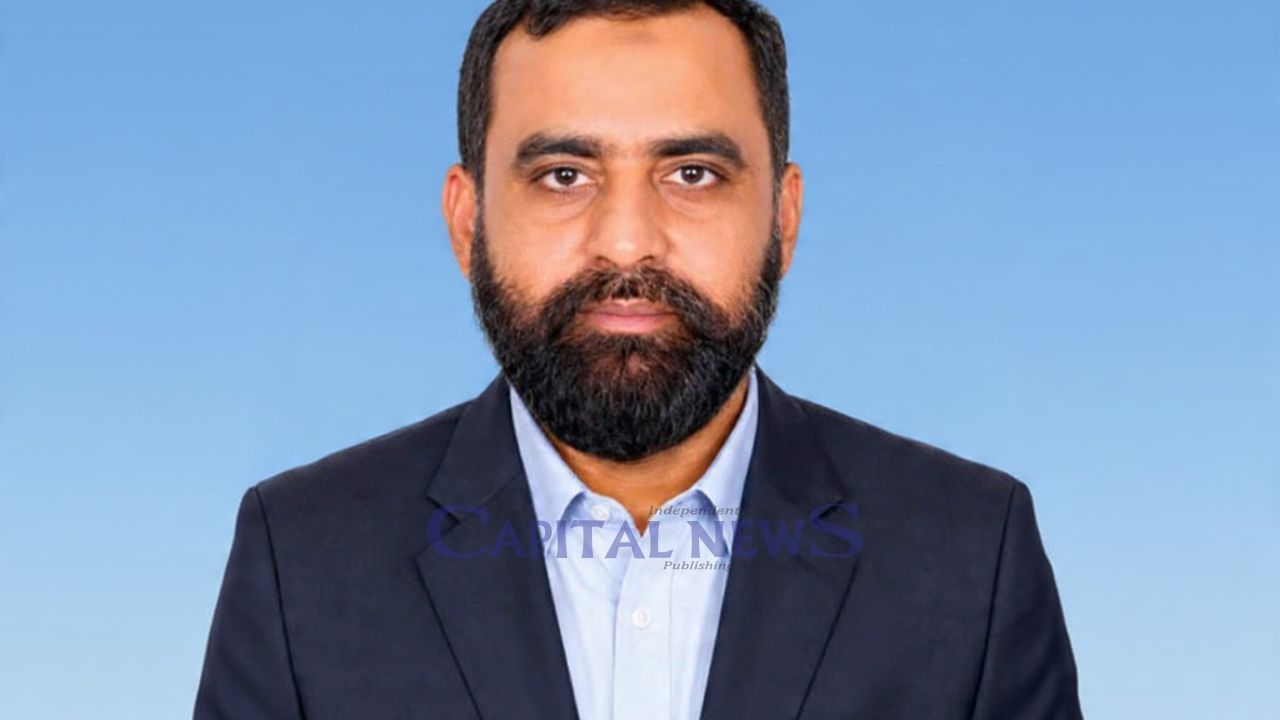
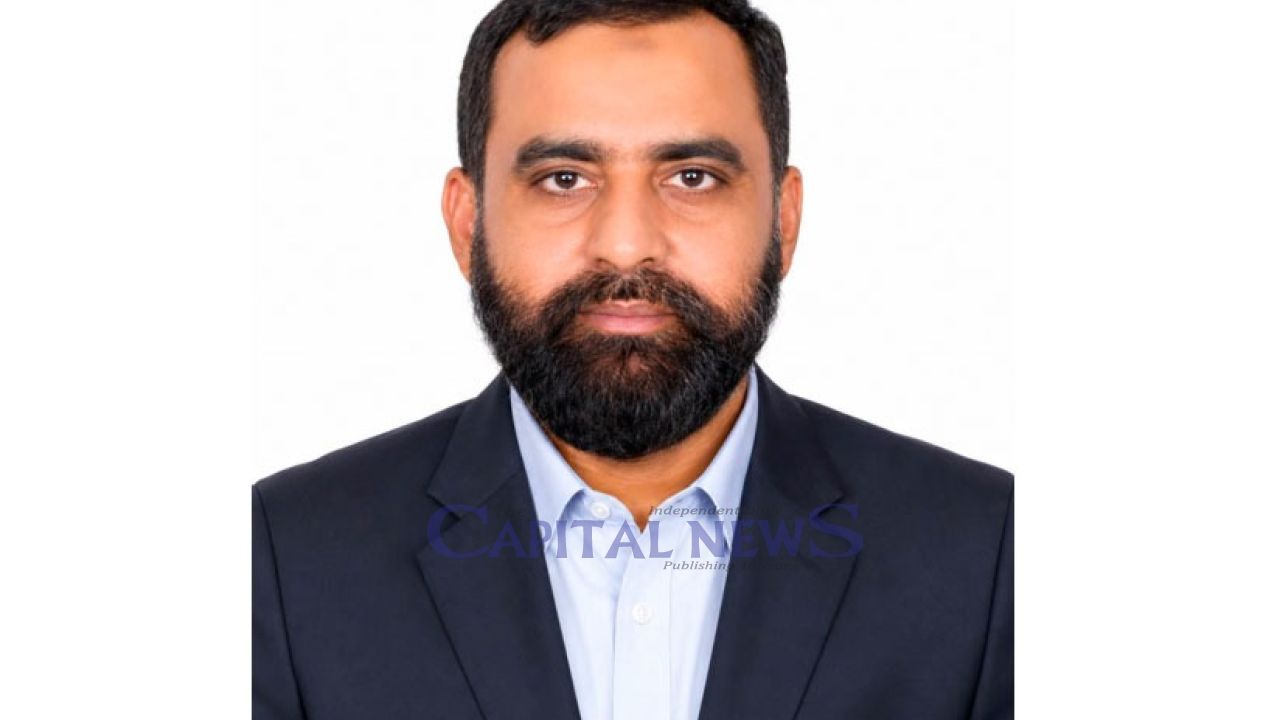
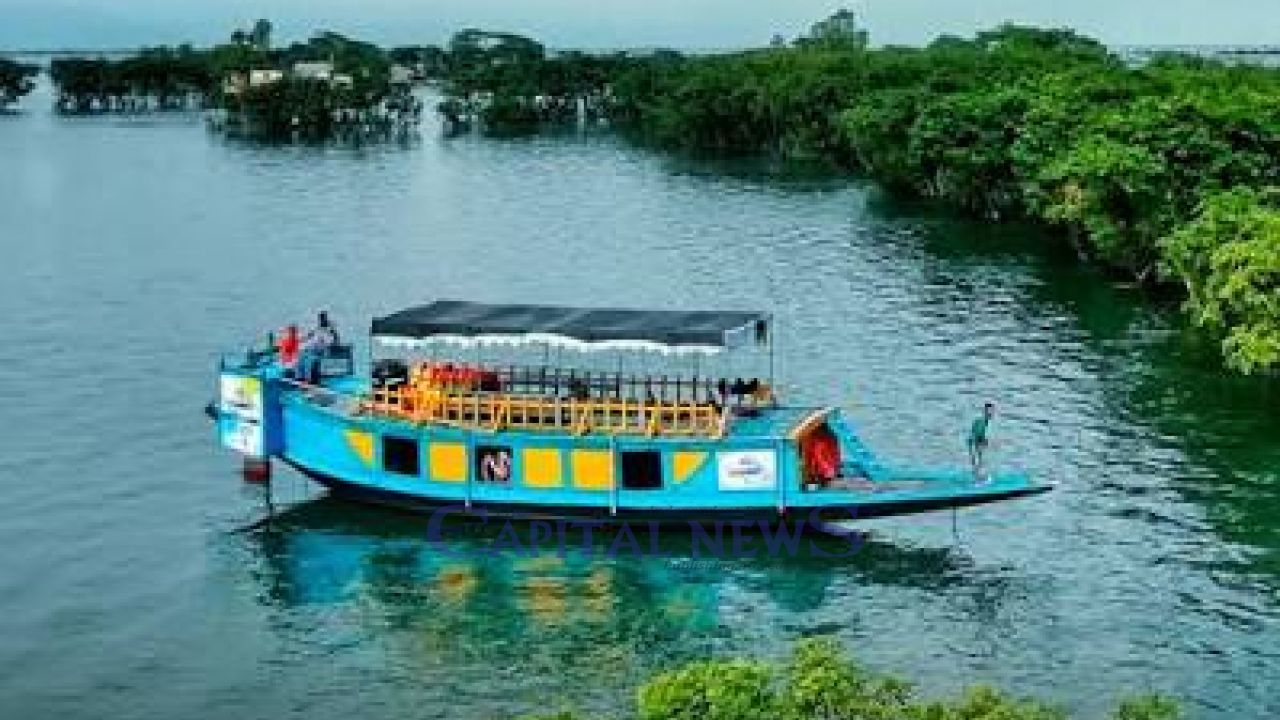
Moazzem Hossain Tipu: Bangladesh’s waterways are an important part of the country’s economy, communication network, and everyday life. Every day, thousands of people travel by launches, ferries, steamers, and other watercraft. Children, women, older people, patients, workers, and people from different walks of life travel in the same environment. Therefore, tobacco use on watercraft is not merely a personal behavior; it directly affects the health, safety, and comfort of other passengers. To ensure tobacco-free waterways, awareness messages alone are not enough. Equal importance must be given to stopping the unrestricted sale of tobacco, particularly around watercraft and terminals, and to effectively enforcing the existing law. Where tobacco is easily available and there is no visible punishment for violations, it is difficult to achieve long-term change through awareness alone.

According to data from Development Activities of Society (DAS), around 70 launches depart from Sadarghat every day for various distant destinations, carrying approximately 20,000 passengers. The same data indicate that about 4,500 passengers purchase bidis and cigarettes from different shops at the terminal and from permanent shops inside launches. One in every four passengers smokes, and because of one person’s smoking, a large number of passengers are exposed to secondhand smoke. This raises an important question: to ensure smoke-free water transport, should we focus only on smokers, or should we also regulate the tobacco supply system? The reality is that simply asking an individual passenger not to smoke will not solve the problem. If tobacco products remain readily available at terminals, on watercraft, or in nearby shops, efforts to control smoking will repeatedly face obstacles. Therefore, alongside banning smoking on watercraft, it is essential to regulate the unrestricted sale, supply, and transportation of tobacco products.

Tobacco Harm Is Not Limited to Smokers

According to recent World Health Organization (WHO) data, approximately 1.2 billion people worldwide were using tobacco in 2024. Tobacco use causes more than 7 million deaths every year, including more than 1.6 million deaths among people who do not smoke themselves but are exposed to secondhand smoke. WHO also states that tobacco can damage almost every organ of the body and is a major risk factor for cancer, heart disease, stroke, and various lung diseases. These risks are particularly important on watercraft. When a person smokes in the confined space of a launch or ferry, passengers nearby may also be exposed to the smoke. Such an environment is especially undesirable for children, pregnant women, older people, and people with various health conditions. According to WHO, tobacco smoke contains thousands of chemicals, many of which are harmful and several of which are linked to cancer.

The situation in Bangladesh is also concerning. According to WHO’s Global Adult Tobacco Survey (GATS) Bangladesh 2017, the prevalence of tobacco use among adults declined from 43.3 percent in 2009 to 35.3 percent in 2017. During the same period, exposure to secondhand smoke on public transport declined from 53.6 percent to 44 percent. Although this represents progress, the 2017 data show that public transport remained an important setting for exposure to tobacco smoke. Therefore, making public transport and watercraft effectively tobacco-free is extremely important for public health.

The Law Has Been Strengthened; Now Effective Enforcement Is Needed

Bangladesh has recently made important changes to its tobacco-control framework through legal amendments. The amended tobacco-control law of 2026 has strengthened provisions against tobacco use in public places and public transport. Designated smoking areas have been abolished, and the use of all forms of tobacco has been brought under regulatory control. At the same time, restrictions on the advertising, promotion, and sponsorship of tobacco products have been strengthened, and penalties for violations have been increased.

The amended law has also expanded the definition of public places. Places used collectively by the public, including river ports, railway stations, and bus terminals, have been brought within its scope. Smoking and the use of tobacco products have been prohibited in public places and public transport, while the fine for violations has been increased from Tk 300 to Tk 2,000. Legally, these are undoubtedly important advances.

However, no matter how strong a law is, its desired results cannot be achieved if enforcement is weak. If a passenger boards a watercraft and sees someone openly smoking without anyone intervening, the effectiveness of the law will be questioned. Similarly, if bidis and cigarettes continue to be sold freely at terminal shops, simply putting up “No Smoking” signs cannot ensure a smoke-free environment. In that case, the law will exist only on paper, not in practice.

Why Is It Necessary to Stop the Unrestricted Sale of Tobacco?

One of the biggest challenges to tobacco-free waterways is the easy availability of tobacco products. If cigarettes, bidis, zarda, gul, and other tobacco products are readily available at launch ghats, terminals, shops adjacent to watercraft, and nearby markets, it becomes difficult to keep waterways tobacco-free. Easy availability is particularly important in relation to children and adolescents.

Article 16 of the WHO Framework Convention on Tobacco Control (WHO FCTC) emphasizes preventing the sale of tobacco products to minors and also draws attention to practices such as selling tobacco in small packages or as single sticks, because these practices can make tobacco more accessible and affordable. Tobacco use is also a significant public-health problem in Bangladesh. Research based on 2017 data estimated that more than 20 percent of people aged 15 years and above in Bangladesh used smokeless tobacco, with approximately 22 million adult smokeless-tobacco users in the country.

Therefore, a tobacco-free waterway does not simply mean that nobody should light a cigarette inside a launch or ferry. The sale and promotional opportunities for tobacco must also be controlled on watercraft, at terminals, at ghats, and in surrounding areas.

Without Stopping Tobacco Sales, Smoke-Free Water Transport Will Be Difficult

One of the most important prerequisites for smoke-free water transport is reducing the availability of tobacco. The easier tobacco products are to obtain in an environment, the more difficult it becomes to control their use.

The amended 2026 law has introduced additional controls on advertising and display at points of sale of tobacco products. Restrictions have also been introduced on tobacco sales around certain sensitive locations. In the context of water transport, shops at terminals, canteens, floating shops, and potential sales points inside watercraft must be brought under regular monitoring.

Action should be based on information about where tobacco is being sold, who is selling it, who is supplying it, and how these products are entering watercraft. More importantly, relevant administrative instructions of the Ministry of Shipping include directions concerning not only the use of tobacco products on passenger watercraft but also the sale and transportation of tobacco products. In other words, tobacco control on watercraft cannot focus only on who is smoking; we must also ask where the tobacco is coming from.

Visible Law Enforcement and Regular Monitoring

Visible signage is important for ensuring a smoke-free environment. Existing regulations require warning notices to be displayed in public places and public transport. Therefore, every launch, ferry, and terminal should have legally compliant and clearly visible “No Smoking” signage. However, installing a small sticker cannot be considered the end of the responsibility. Adequate signage should be placed at entrances, ticket counters, waiting areas, passenger seating areas, cabins, decks, stairways, and other important locations. Clear messages should be provided in Bangla, with English used where appropriate. However, signage will be effective only when supported by regular monitoring and law enforcement. Therefore, whether signage is present, visible, damaged, or no longer functional should also be included in regular inspections.

The most important element of enforcement is regular monitoring. Ensuring a tobacco-free environment only during special days, campaigns, or official inspections is not enough. Monitoring must become part of everyday operations. Owners, masters, drivers, crew members, and terminal authorities should be clearly informed of their respective responsibilities. It should be specified where smoking and tobacco use are prohibited, where tobacco sales are prohibited, and what action will be taken when the law is violated. WHO FCTC implementation guidance also emphasizes the importance of assigning responsible authorities, imposing fines and administrative measures, providing opportunities to lodge complaints, and conducting regular monitoring. Therefore, several measures are essential for effective law enforcement on waterways: regular inspections, a mechanism for receiving complaints, documentation of violations, stronger action against repeat offenders, and coordination among relevant authorities.

Everyone Must Be Involved, Not Just Passengers

Ensuring tobacco-free waterways requires more than making passengers aware. Launch masters, drivers, sarangs, ticket sellers, helpers, security personnel, cleaners, and shopkeepers must also be involved. Each watercraft could have a designated person or team responsible for monitoring implementation of the tobacco-free policy. When a passenger smokes, staff should politely warn the person, inform the appropriate authority when necessary, and take action in accordance with the law. Training for watercraft staff can also include tobacco-related health risks, the law, enforcement procedures, and appropriate ways of dealing with passengers.

Terminals and Ghats Must Become Tobacco-Free Gateways

To make waterways tobacco-free, attention must be given not only to watercraft but also to the terminals and ghats where journeys begin and end. The sale and use of tobacco products should be controlled at terminal entrances, ticket counters, waiting areas, passenger shelters, platforms, food shops, and around watercraft. The amended 2026 law has created broader protection for tobacco control. This includes provisions prohibiting the sale and use of tobacco within 100 meters of educational institutions, hospitals, clinics, children’s parks, and sports facilities. In line with this approach, coordinated action by local administration, law-enforcement agencies, and relevant water-transport authorities is necessary to reduce the availability of tobacco at water terminals and other crowded public places.

Tobacco-Free Waterways Mean Safer and Healthier Transport

A tobacco-free waterway is not only a matter of health protection; it is also part of citizens’ rights and safe public transport. After purchasing a ticket and boarding a watercraft, a passenger should not be forced to inhale harmful smoke because another passenger chooses to smoke. Globally, progress in tobacco control has largely been achieved through a combination of strong policies, taxation and pricing measures, advertising bans, smoke-free environments, and law enforcement. WHO’s 2025 Global Tobacco Epidemic Report also showed that many countries have made progress in tobacco control through effective implementation of MPOWER measures. Bangladesh should therefore view tobacco-free waterways not as an isolated campaign but as part of the national tobacco-control strategy.

Conclusion

To make Bangladesh’s waterways genuinely tobacco-free, it is not enough to limit efforts to signboards, posters, or awareness campaigns. Reducing the unrestricted sale of tobacco, preventing tobacco use on watercraft and at terminals, and taking regular and visible action against violations must be brought together within a single framework.

Recent global research and WHO data clearly demonstrate that tobacco is a serious public-health risk and that people also need protection from secondhand smoke. Bangladesh’s strengthened tobacco-control framework of 2026 has created an important opportunity to put this protection into practice. What is needed now is to move the law from paper into reality. Stopping smoking on watercraft, controlling the unrestricted sale of tobacco products, conducting regular monitoring, enforcing the law promptly, and engaging the public through a coordinated approach can transform the country’s waterways into a safe, healthy, and tobacco-free public-transport system.

Tobacco-free waterways are not a luxury—they are a fundamental demand for protecting passengers’ health, upholding the rule of law, and ensuring a safe public-transport system.

Author

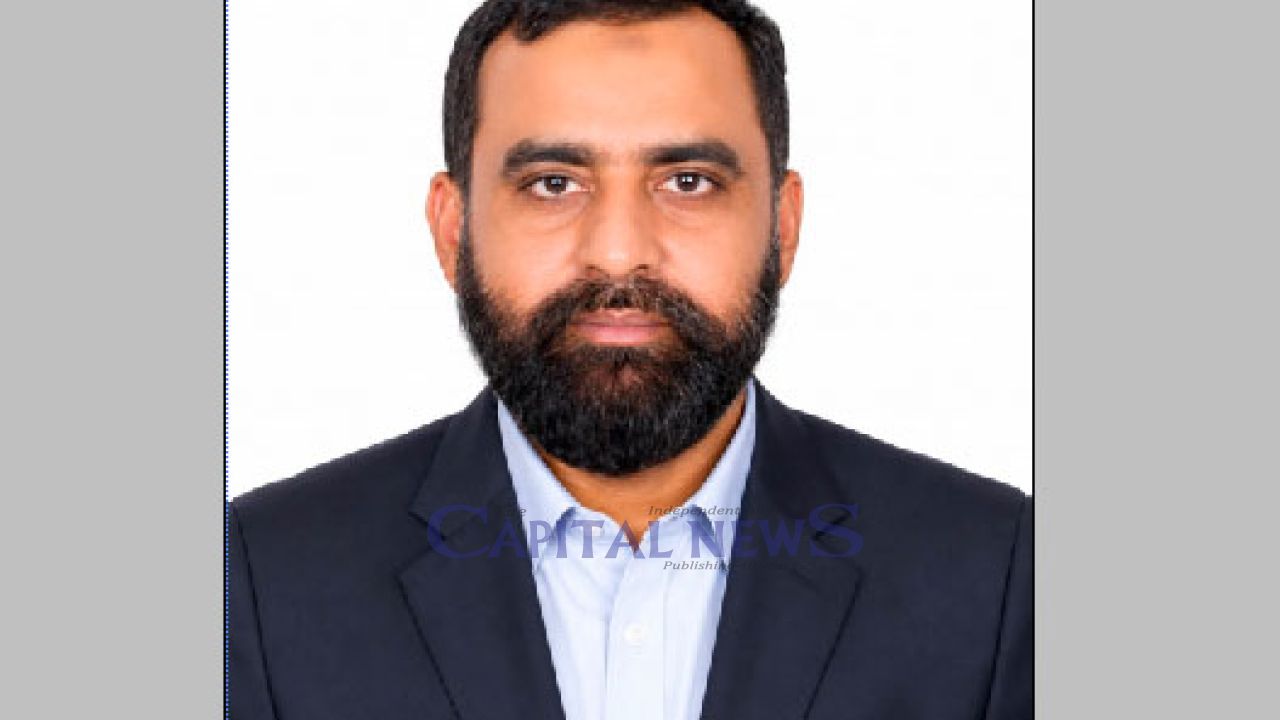
Moazzem Hossain Tipu

Environment and Public Health Development Worker.

Subject : Op-Editorial

Write Your Opinion

The Daily Capital News

সোমবার, ১৭ আগস্ট ২০২৬


Can Ending the Unregulated Sale of Tobacco on Watercraft Ensure Tobacco-Free Water Transport?

Publish Date : 17 August 2026

featured Image
Moazzem Hossain Tipu: Bangladesh’s waterways are an important part of the country’s economy, communication network, and everyday life. Every day, thousands of people travel by launches, ferries, steamers, and other watercraft. Children, women, older people, patients, workers, and people from different walks of life travel in the same environment. Therefore, tobacco use on watercraft is not merely a personal behavior; it directly affects the health, safety, and comfort of other passengers. To ensure tobacco-free waterways, awareness messages alone are not enough. Equal importance must be given to stopping the unrestricted sale of tobacco, particularly around watercraft and terminals, and to effectively enforcing the existing law. Where tobacco is easily available and there is no visible punishment for violations, it is difficult to achieve long-term change through awareness alone.According to data from Development Activities of Society (DAS), around 70 launches depart from Sadarghat every day for various distant destinations, carrying approximately 20,000 passengers. The same data indicate that about 4,500 passengers purchase bidis and cigarettes from different shops at the terminal and from permanent shops inside launches. One in every four passengers smokes, and because of one person’s smoking, a large number of passengers are exposed to secondhand smoke. This raises an important question: to ensure smoke-free water transport, should we focus only on smokers, or should we also regulate the tobacco supply system? The reality is that simply asking an individual passenger not to smoke will not solve the problem. If tobacco products remain readily available at terminals, on watercraft, or in nearby shops, efforts to control smoking will repeatedly face obstacles. Therefore, alongside banning smoking on watercraft, it is essential to regulate the unrestricted sale, supply, and transportation of tobacco products.Tobacco Harm Is Not Limited to SmokersAccording to recent World Health Organization (WHO) data, approximately 1.2 billion people worldwide were using tobacco in 2024. Tobacco use causes more than 7 million deaths every year, including more than 1.6 million deaths among people who do not smoke themselves but are exposed to secondhand smoke. WHO also states that tobacco can damage almost every organ of the body and is a major risk factor for cancer, heart disease, stroke, and various lung diseases. These risks are particularly important on watercraft. When a person smokes in the confined space of a launch or ferry, passengers nearby may also be exposed to the smoke. Such an environment is especially undesirable for children, pregnant women, older people, and people with various health conditions. According to WHO, tobacco smoke contains thousands of chemicals, many of which are harmful and several of which are linked to cancer.The situation in Bangladesh is also concerning. According to WHO’s Global Adult Tobacco Survey (GATS) Bangladesh 2017, the prevalence of tobacco use among adults declined from 43.3 percent in 2009 to 35.3 percent in 2017. During the same period, exposure to secondhand smoke on public transport declined from 53.6 percent to 44 percent. Although this represents progress, the 2017 data show that public transport remained an important setting for exposure to tobacco smoke. Therefore, making public transport and watercraft effectively tobacco-free is extremely important for public health.The Law Has Been Strengthened; Now Effective Enforcement Is NeededBangladesh has recently made important changes to its tobacco-control framework through legal amendments. The amended tobacco-control law of 2026 has strengthened provisions against tobacco use in public places and public transport. Designated smoking areas have been abolished, and the use of all forms of tobacco has been brought under regulatory control. At the same time, restrictions on the advertising, promotion, and sponsorship of tobacco products have been strengthened, and penalties for violations have been increased.The amended law has also expanded the definition of public places. Places used collectively by the public, including river ports, railway stations, and bus terminals, have been brought within its scope. Smoking and the use of tobacco products have been prohibited in public places and public transport, while the fine for violations has been increased from Tk 300 to Tk 2,000. Legally, these are undoubtedly important advances.However, no matter how strong a law is, its desired results cannot be achieved if enforcement is weak. If a passenger boards a watercraft and sees someone openly smoking without anyone intervening, the effectiveness of the law will be questioned. Similarly, if bidis and cigarettes continue to be sold freely at terminal shops, simply putting up “No Smoking” signs cannot ensure a smoke-free environment. In that case, the law will exist only on paper, not in practice.Why Is It Necessary to Stop the Unrestricted Sale of Tobacco?One of the biggest challenges to tobacco-free waterways is the easy availability of tobacco products. If cigarettes, bidis, zarda, gul, and other tobacco products are readily available at launch ghats, terminals, shops adjacent to watercraft, and nearby markets, it becomes difficult to keep waterways tobacco-free. Easy availability is particularly important in relation to children and adolescents.Article 16 of the WHO Framework Convention on Tobacco Control (WHO FCTC) emphasizes preventing the sale of tobacco products to minors and also draws attention to practices such as selling tobacco in small packages or as single sticks, because these practices can make tobacco more accessible and affordable. Tobacco use is also a significant public-health problem in Bangladesh. Research based on 2017 data estimated that more than 20 percent of people aged 15 years and above in Bangladesh used smokeless tobacco, with approximately 22 million adult smokeless-tobacco users in the country.Therefore, a tobacco-free waterway does not simply mean that nobody should light a cigarette inside a launch or ferry. The sale and promotional opportunities for tobacco must also be controlled on watercraft, at terminals, at ghats, and in surrounding areas.Without Stopping Tobacco Sales, Smoke-Free Water Transport Will Be DifficultOne of the most important prerequisites for smoke-free water transport is reducing the availability of tobacco. The easier tobacco products are to obtain in an environment, the more difficult it becomes to control their use.The amended 2026 law has introduced additional controls on advertising and display at points of sale of tobacco products. Restrictions have also been introduced on tobacco sales around certain sensitive locations. In the context of water transport, shops at terminals, canteens, floating shops, and potential sales points inside watercraft must be brought under regular monitoring.Action should be based on information about where tobacco is being sold, who is selling it, who is supplying it, and how these products are entering watercraft. More importantly, relevant administrative instructions of the Ministry of Shipping include directions concerning not only the use of tobacco products on passenger watercraft but also the sale and transportation of tobacco products. In other words, tobacco control on watercraft cannot focus only on who is smoking; we must also ask where the tobacco is coming from.Visible Law Enforcement and Regular MonitoringVisible signage is important for ensuring a smoke-free environment. Existing regulations require warning notices to be displayed in public places and public transport. Therefore, every launch, ferry, and terminal should have legally compliant and clearly visible “No Smoking” signage. However, installing a small sticker cannot be considered the end of the responsibility. Adequate signage should be placed at entrances, ticket counters, waiting areas, passenger seating areas, cabins, decks, stairways, and other important locations. Clear messages should be provided in Bangla, with English used where appropriate. However, signage will be effective only when supported by regular monitoring and law enforcement. Therefore, whether signage is present, visible, damaged, or no longer functional should also be included in regular inspections.The most important element of enforcement is regular monitoring. Ensuring a tobacco-free environment only during special days, campaigns, or official inspections is not enough. Monitoring must become part of everyday operations. Owners, masters, drivers, crew members, and terminal authorities should be clearly informed of their respective responsibilities. It should be specified where smoking and tobacco use are prohibited, where tobacco sales are prohibited, and what action will be taken when the law is violated. WHO FCTC implementation guidance also emphasizes the importance of assigning responsible authorities, imposing fines and administrative measures, providing opportunities to lodge complaints, and conducting regular monitoring. Therefore, several measures are essential for effective law enforcement on waterways: regular inspections, a mechanism for receiving complaints, documentation of violations, stronger action against repeat offenders, and coordination among relevant authorities.Everyone Must Be Involved, Not Just PassengersEnsuring tobacco-free waterways requires more than making passengers aware. Launch masters, drivers, sarangs, ticket sellers, helpers, security personnel, cleaners, and shopkeepers must also be involved. Each watercraft could have a designated person or team responsible for monitoring implementation of the tobacco-free policy. When a passenger smokes, staff should politely warn the person, inform the appropriate authority when necessary, and take action in accordance with the law. Training for watercraft staff can also include tobacco-related health risks, the law, enforcement procedures, and appropriate ways of dealing with passengers.Terminals and Ghats Must Become Tobacco-Free GatewaysTo make waterways tobacco-free, attention must be given not only to watercraft but also to the terminals and ghats where journeys begin and end. The sale and use of tobacco products should be controlled at terminal entrances, ticket counters, waiting areas, passenger shelters, platforms, food shops, and around watercraft. The amended 2026 law has created broader protection for tobacco control. This includes provisions prohibiting the sale and use of tobacco within 100 meters of educational institutions, hospitals, clinics, children’s parks, and sports facilities. In line with this approach, coordinated action by local administration, law-enforcement agencies, and relevant water-transport authorities is necessary to reduce the availability of tobacco at water terminals and other crowded public places.Tobacco-Free Waterways Mean Safer and Healthier TransportA tobacco-free waterway is not only a matter of health protection; it is also part of citizens’ rights and safe public transport. After purchasing a ticket and boarding a watercraft, a passenger should not be forced to inhale harmful smoke because another passenger chooses to smoke. Globally, progress in tobacco control has largely been achieved through a combination of strong policies, taxation and pricing measures, advertising bans, smoke-free environments, and law enforcement. WHO’s 2025 Global Tobacco Epidemic Report also showed that many countries have made progress in tobacco control through effective implementation of MPOWER measures. Bangladesh should therefore view tobacco-free waterways not as an isolated campaign but as part of the national tobacco-control strategy.ConclusionTo make Bangladesh’s waterways genuinely tobacco-free, it is not enough to limit efforts to signboards, posters, or awareness campaigns. Reducing the unrestricted sale of tobacco, preventing tobacco use on watercraft and at terminals, and taking regular and visible action against violations must be brought together within a single framework.Recent global research and WHO data clearly demonstrate that tobacco is a serious public-health risk and that people also need protection from secondhand smoke. Bangladesh’s strengthened tobacco-control framework of 2026 has created an important opportunity to put this protection into practice. What is needed now is to move the law from paper into reality. Stopping smoking on watercraft, controlling the unrestricted sale of tobacco products, conducting regular monitoring, enforcing the law promptly, and engaging the public through a coordinated approach can transform the country’s waterways into a safe, healthy, and tobacco-free public-transport system.Tobacco-free waterways are not a luxury—they are a fundamental demand for protecting passengers’ health, upholding the rule of law, and ensuring a safe public-transport system.AuthorMoazzem Hossain TipuEnvironment and Public Health Development Worker.

The Daily Capital News

Advisory Editor: Gayeshwar Chandra Roy
Editor: Abul Kashem Majumder
Acting Editor: Mohammad Alamgir Hossain
Executive Editor: Farid Ahmed Ripon

© 2025 The Daily Capital News